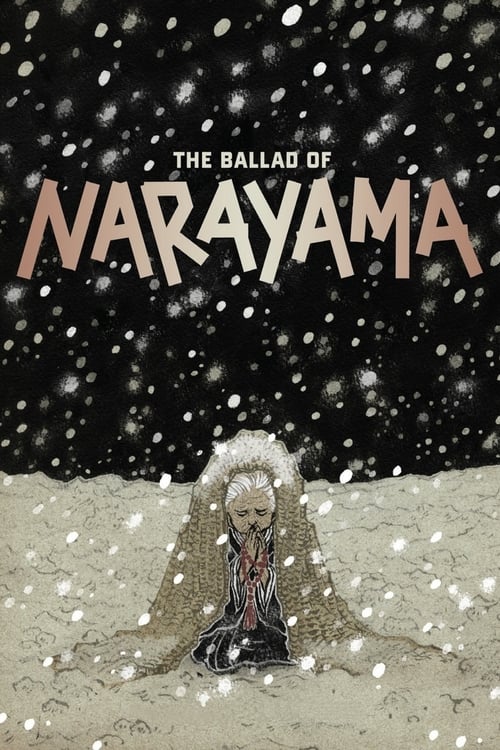
The Ballad of Narayama
1958
No user ratings available yet
Representation score: 6.7 out of 10

Representation Score
Good
1983
Not RatedDirector
Shōhei Imamura
Runtime
130 minutes
Average Rating
No ratings yetNew Showbiz Analysis
Shōhei Imamura’s work succeeds by challenging conventional moral frameworks through a lens of ethnographic realism. It replaces idealized historical depictions with a raw look at survivalist necessity and the roles of underrepresented rural populations. The film's strength lies in its cultural depth and its challenge to traditional gender hierarchies. By centering the resilience of women and the logic of communal rituals, it creates a sophisticated, non-linear moral landscape. However, the film lacks modern identity-based representation. It remains strictly focused on biological necessity and a homogeneous social structure, offering no visibility for LGBTQ+ identities or specific disability narratives.
Category Breakdown
The film operates within a strictly straight-centered framework, focusing entirely on procreation and lineage to ensure communal survival. It offers no exploration of non-straight relationships or gender identities.
Women are depicted as the central pillars of community endurance, showcasing immense physical and psychological resilience. The film challenges traditional gender hierarchies by highlighting their strength and leadership.
Set in a remote Japanese village, the film reflects a homogeneous setting. It avoids Western-centric clichés by using a gritty, unvarnished aesthetic to portray the peasant class.
The narrative deconstructs Western morality by framing the ritual of ubasute as a systemic necessity. It prioritizes collective survival over individualist or religious ideals within a harsh landscape.
The film portrays the systemic frailty of the human body under the weight of famine and extreme poverty. Physical vulnerability is treated as a universal condition of the setting.
Present on Screen
Limited or Absent
Official Synopsis
In a small village in a valley everyone who reaches the age of 70 must leave the village and go to a certain mountain top to die. If anyone should refuse they would disgrace their family. Old Orin is 69. This winter it is her turn to go to the mountain. But first she must make sure that her eldest son Tatsuhei finds a wife.
1958
1962
1963
1949

2010
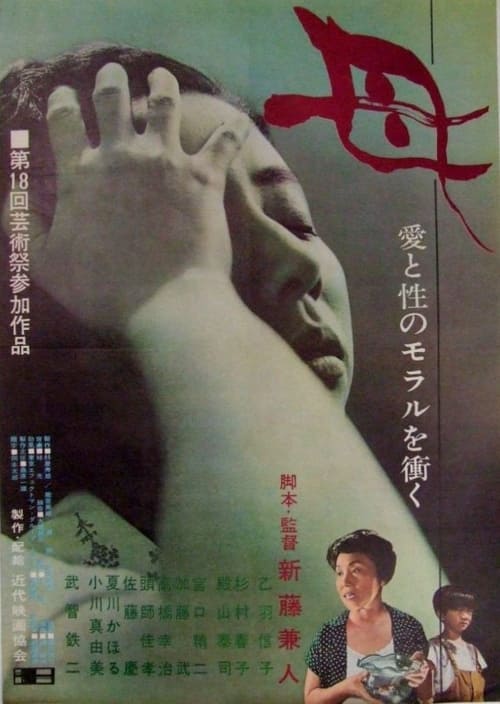
1963
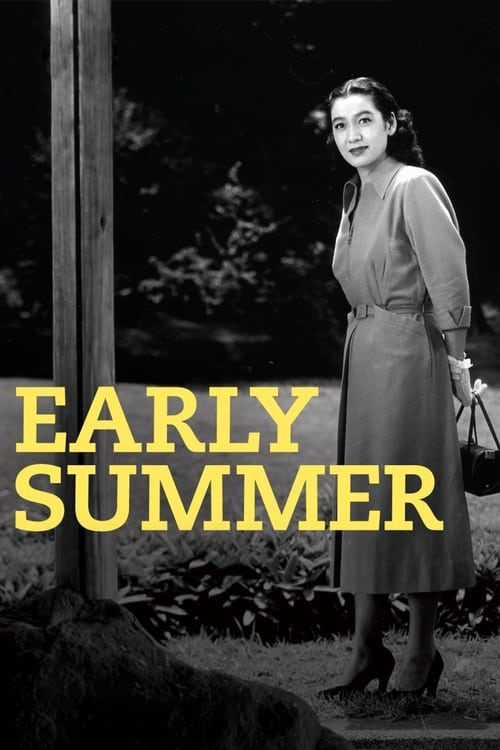
1951
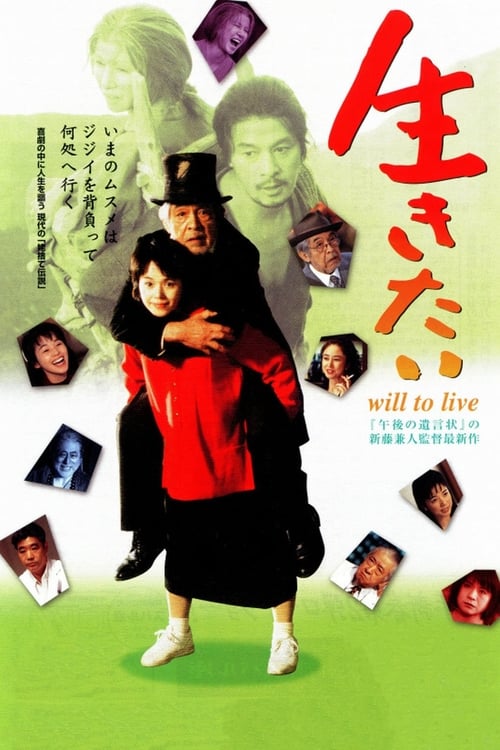
1999
No reviews yet. Be the first to share your thoughts on this movie!
Use the rating form above to leave a star rating and optional review.