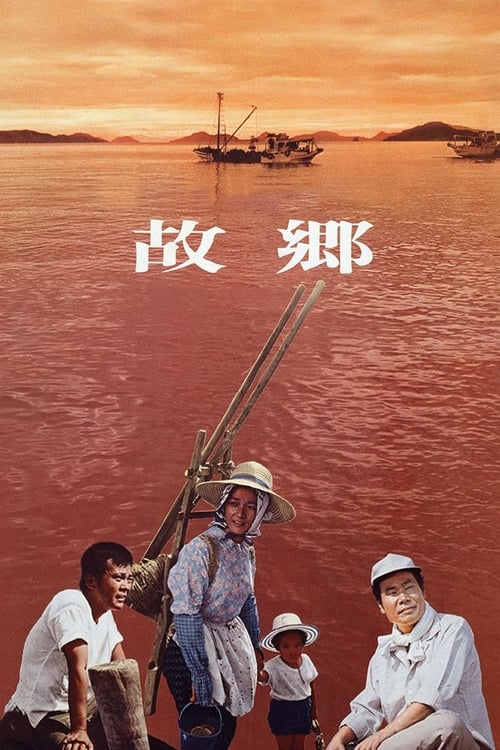
Home from the Sea
1972
No user ratings available yet
Representation score: 3.5 out of 10
Representation Score
Fair
1956
Director
Keisuke Kinoshita
Runtime
78 minutes
Average Rating
No ratings yetNew Showbiz Analysis
Keisuke Kinoshita’s drama presents a grounded coming-of-age story that emphasizes socioeconomic realism over escapism. By focusing on the systemic challenges faced by a working-class youth, the film steers clear of idealized clichés common in mid-century cinema. The narrative gains strength from its critique of social hierarchies and the instability of traditional institutions. It uses familial displacement to explore the harsh realities of economic necessity. However, the film remains limited by its cultural homogeneity and lack of explicit representation of gender identity or disability. It primarily functions as a localized study of class and adolescence.
Category Breakdown
The film doesn't include explicit LGBTQ+ characters or non-straight relationships. Instead, it focuses on traditional romantic desires and the breaking down of youthful fantasies.
The main character is male, but female characters play key roles in driving the story forward. The sister's move serves as a crucial turning point for the narrative.
The story takes place in a culturally uniform Japanese setting. It offers a localized viewpoint that contrasts with the Western-centric norms of 1950s cinema.
The film highlights socioeconomic differences by contrasting the lives of working-class fishmongers with those of the wealthy elite. It rejects idealized social structures in favor of a realistic portrayal of social mobility.
There are no visible or invisible disabilities that play a central role in the narrative.
Present on Screen
Limited or Absent
Official Synopsis
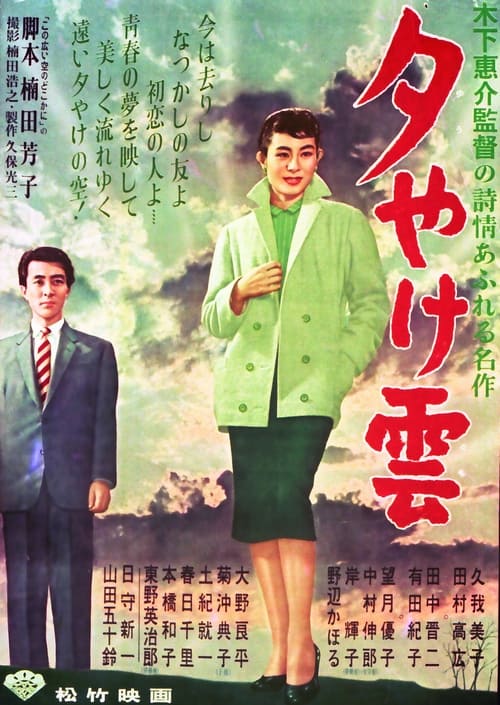
A coming-of-age story portrayed as the loss of all youthful illusions. Sixteen-year-old Yoichi dreams of becoming a sailor. His parents are fishmongers, and Yoichi lives together with them and his four siblings in cramped living conditions. His beloved younger sister is given to a wealthy, childless uncle; his best friend moves away; the girl he fell in love with from afar is with someone else: little by little, Yoichi loses all the people that are important to him.
1972
1936

1959

1970
1953

1945

1962
1946
No reviews yet. Be the first to share your thoughts on this movie!
Use the rating form above to leave a star rating and optional review.