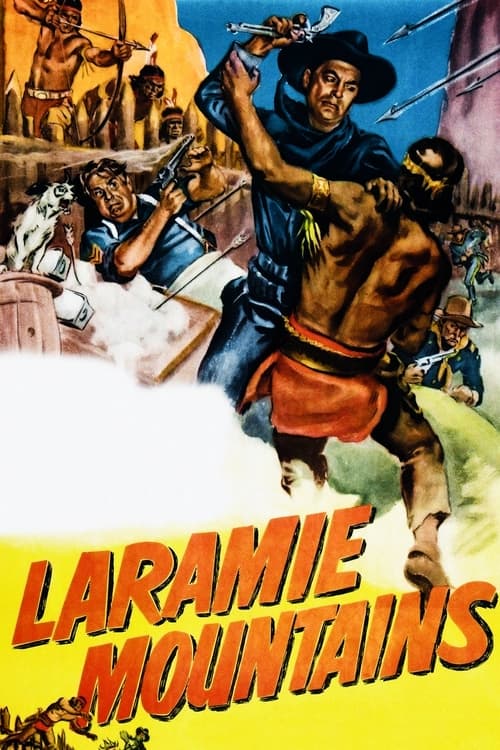
Laramie Mountains
1952
No user ratings available yet
Representation score: 1.7 out of 10

Representation Score
Minimal
1952
ApprovedDirector
Ray Nazarro
Runtime
72 minutes
Average Rating
No ratings yetNew Showbiz Analysis
Indian Uprising is a traditional 1950s Western that reinforces colonial-era hierarchies. The narrative focuses on the friction between military peacekeeping and civilian resource extraction, primarily through a white male lens. While the Apache people are central to the plot, they function more as a thematic backdrop for conflict than as fully realized characters. The film adheres to the era's tendency to frame non-white populations as external threats or subjects of Western administration. Ultimately, the work lacks depth in reflecting multiple aspects of identity. It operates as a standard genre exercise that prioritizes institutional authority and economic interests over nuanced cultural exploration or diverse representation.
Category Breakdown
The film does not include any identifiable LGBTQ+ characters or non-cisgender identities. It operates strictly within the assumptions that everyone is straight and cisgender.
Narrative ability to act is centered almost exclusively on male military leaders. There is a notable absence of women's ability to drive the story or challenges to masculine leadership clichés.
While the plot centers on Apache land rights, ability to act remains with white protagonists. Indigenous characters serve primarily as catalysts for conflict rather than as autonomous agents.
The film prioritizes established institutions like the Army over indigenous sovereignty. It lacks critique of Western institutions, leaning into standard clichés of frontier justice.
There is no visible representation of physical, neurodivergent, or mental health disabilities within the primary character arcs.
Present on Screen
Limited or Absent
Official Synopsis
It's 1885 in Arizona and an Army Captain has dispersed his troops to keep the whites off of Government land thereby keeping the peace with the Apaches. But there are those in Tucson that want the miners back looking for gold and they put pressure on officials in Washington. Soon a new commander arrives, the troops are recalled, and the miners go after gold. Whites then kill a miner with an arrow so they can attack the Indians hoping the troops wipe them out when they retaliate.
1952
1963
1956
1965
1954

1950
1950
1966
No reviews yet. Be the first to share your thoughts on this movie!
Use the rating form above to leave a star rating and optional review.