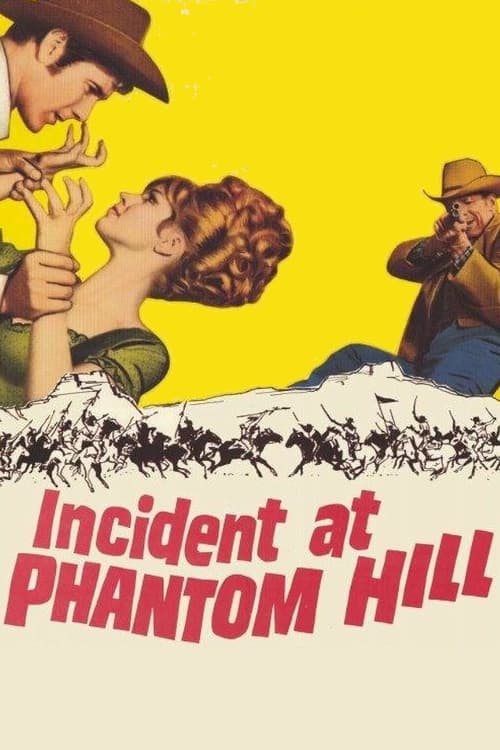
Incident at Phantom Hill
1966
No user ratings available yet
Representation score: 0.6 out of 10
Representation Score
Minimal
1965
Director
Sidney W. Pink
Runtime
94 minutes
Average Rating
No ratings yetNew Showbiz Analysis
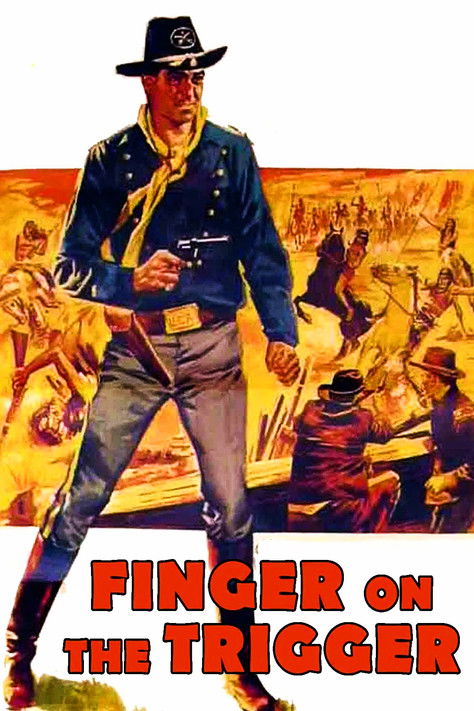
Finger on the Trigger is a quintessential mid-century B-Western that upholds established social hierarchies. The story relies on traditional masculine and racial conflict clichés typical of the era's genre productions. The film prioritizes conventional storytelling over deeper representation. It reflects the standard view of the American West and its power dynamics of the 1960s. Ultimately, the work lacks intentionality regarding diverse representation, favoring a traditional perspective.
Category Breakdown
The film follows the conventions of 1960s frontier cinema, which assumes everyone is straight and cisgender. There are no representations of non-traditional gender identities or same-sex relationships.
The story focuses on male characters taking a leading role, using traditional gender stereotypes. Female characters mainly motivate the male protagonist’s journey.
The cast is predominantly white, reflecting the demographics of the mid-1960s. Indigenous characters are portrayed through standard conflict clichés rather than nuanced representation.
The film emphasizes frontier survival and individualistic justice within a traditional Western setting. It centers on the classic mythos of the lawless frontier.
There is no focus on neurodivergence, physical disabilities, or mental health conditions. Characters are defined by the physical demands of frontier survival.
Present on Screen
Limited or Absent
Official Synopsis
At the end of the Civil War, a ragtag group of just-discharged Union soldiers clashes with a band of renegade Confederates over a golden treasure hidden in a deserted town in the Oklahoma Territory. Soon these rivals must make common cause in the face of an Indian attack.
1966
1966
1964
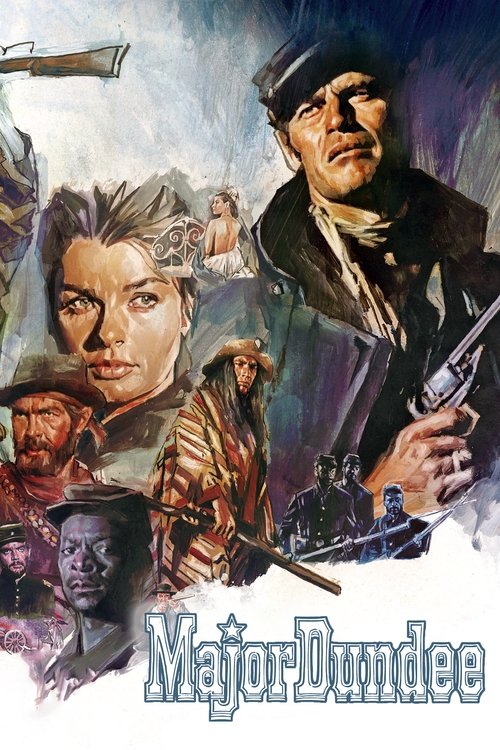
1965
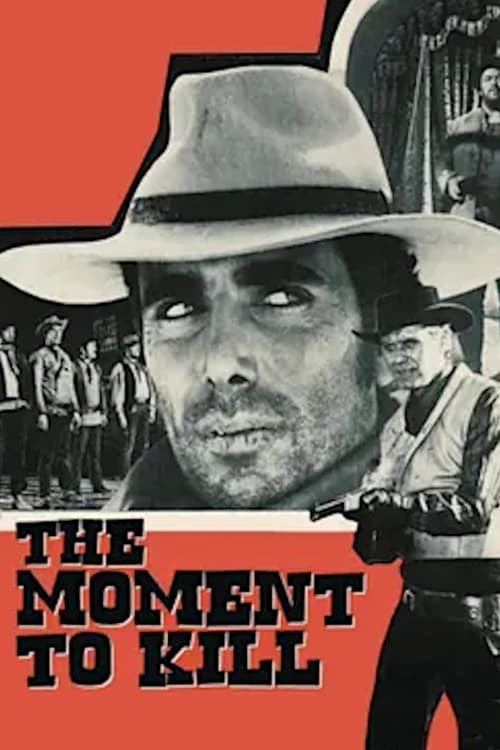
1968
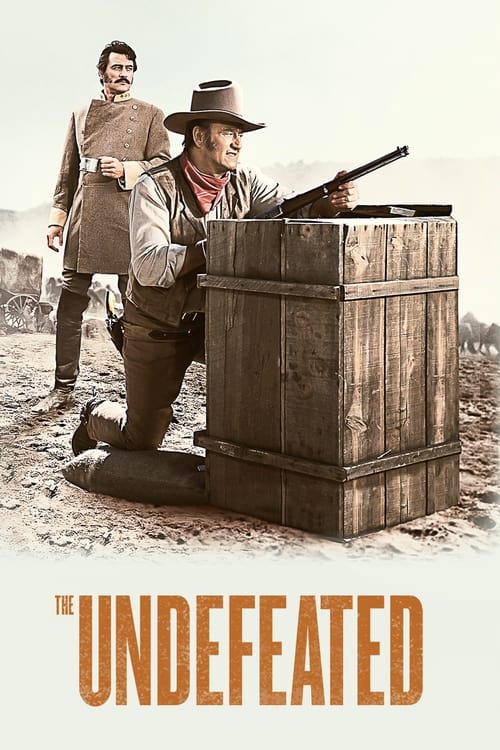
1969
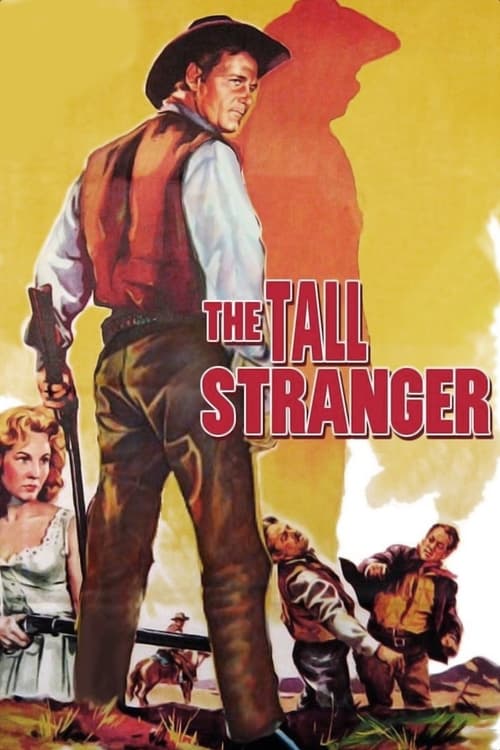
1957
1969
No reviews yet. Be the first to share your thoughts on this movie!
Use the rating form above to leave a star rating and optional review.