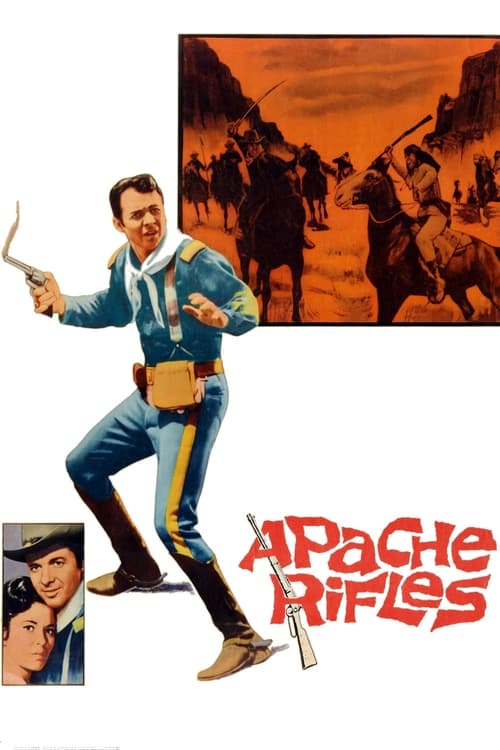
Apache Rifles
1964
No user ratings available yet
Representation score: 0.3 out of 10
Representation Score
Minimal
1960
ApprovedDirector
Maury Dexter
Runtime
61 minutes
Average Rating
No ratings yetNew Showbiz Analysis
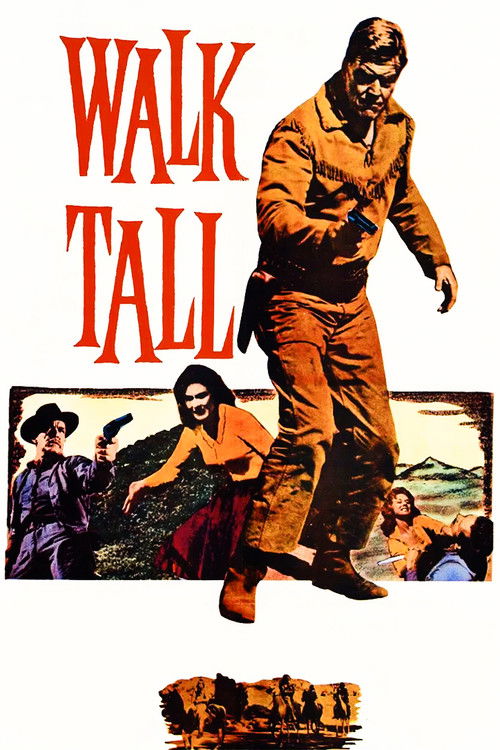
Walk Tall is a conventional mid-century Western that adheres closely to the social hierarchies and narrative structure of its time. The story centers on a binary conflict between lawful authority and outlaw gangs, leaving little room for diverse perspectives. The film reinforces traditional clichés rather than challenging them. It prioritizes masculine strength and Anglo-centric law enforcement, limiting the depth of its cultural and gender representation. Ultimately, the production reflects the standard frontier storytelling of 1960, focusing on institutional order and traditional archetypes while excluding underrepresented identities.
Category Breakdown
The film does not include any LGBTQ+ characters or representations of non-straight relationships. It focuses solely on traditional heterosexual relationships and masculine roles.
The story emphasizes male characters and their actions, with women playing minor or peripheral roles. This reinforces traditional gender hierarchies where men hold positions of power and influence.
Indigenous peoples are used mainly as plot devices or obstacles, rather than as characters with significant roles in the story. The narrative remains centered on the perspective of the Anglo-American lawman.
The film upholds a single moral framework centered around restoring peace through established authority. It does not explore or critique religious or Western institutional structures.
There is no representation of physical, sensory, or neurodivergent disabilities. Characters operate within the typical physical abilities expected of Western action heroes.
Present on Screen
Limited or Absent
Official Synopsis
To keep peace, an Army captain (Willard Parker) hunts for an outlaw-gang leader (Kent Taylor) who is raiding Indians.
1964
1966
1951
1965
1957
1960

1952

1950
No reviews yet. Be the first to share your thoughts on this movie!
Use the rating form above to leave a star rating and optional review.