
Indian Uprising
1952
No user ratings available yet
Representation score: 0.6 out of 10
Representation Score
Minimal
1954
NRDirector
Nathan Juran
Runtime
78 minutes
Average Rating
No ratings yetNew Showbiz Analysis
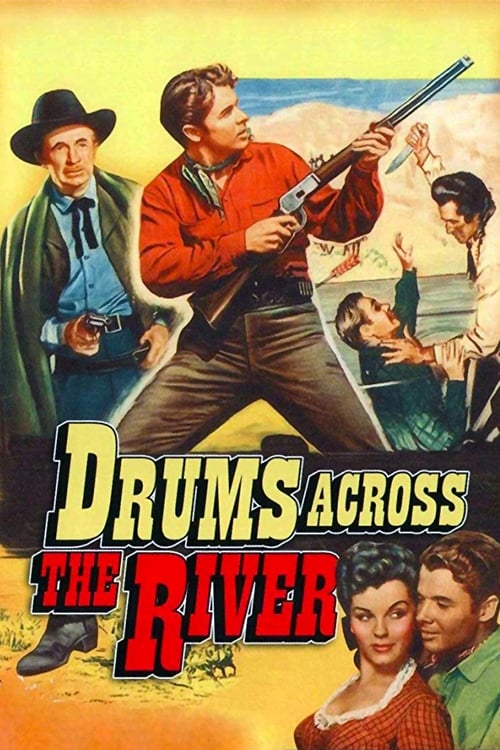
Drums Across the River is a classic mid-century Western that upholds established social and racial hierarchies. Its narrative structure prioritizes the settler experience, presenting indigenous populations primarily as catalysts for conflict rather than fully realized individuals. The film follows the conventional clichés of its time, centered around territorial disputes and frontier justice. It lacks the intention to break away from traditional storytelling methods, adhering to the constraints of 1950s Hollywood. Overall, the film offers a homogeneous perspective that centers white protagonists and sidelines other identities.
Category Breakdown
The film does not depict any LGBTQ+ identities or non-cisgender expressions. It stays within the typical 1950s heterosexual framework.
Male characters have nearly exclusive control over the narrative, while women are confined to domestic or supportive roles without influence over the main land disputes.
Native American characters are played by indigenous actors but are mainly used to illustrate colonial expansion. The cast remains mostly white and focuses on the settler perspective.
The story emphasizes traditional frontier values and resource competition. It does not engage with moral relativism or critique Western expansionist institutions.
There are no prominent depictions of visible or invisible disabilities. Characters are defined by the physical requirements of frontier survival.
Present on Screen
Limited or Absent
Official Synopsis
When whites hunger after the gold on Ute Indian land, a bigoted young man finds himself forced into a peacekeeping role.
1952
1963
1946

1950
1957
1964
1954
1956
No reviews yet. Be the first to share your thoughts on this movie!
Use the rating form above to leave a star rating and optional review.