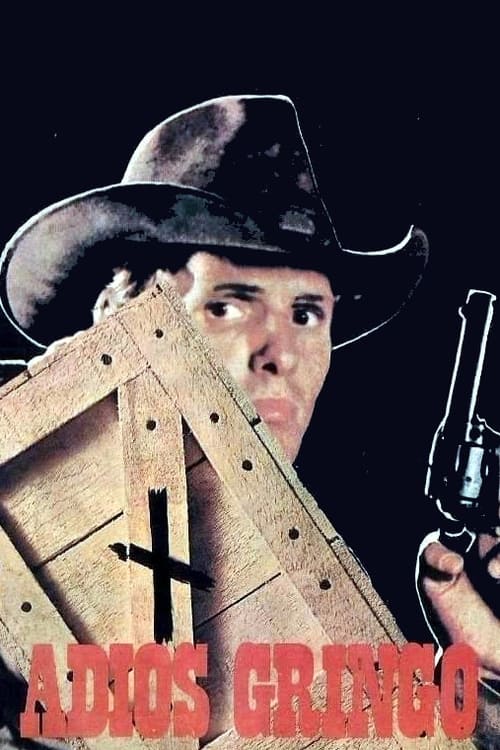
Adiós Gringo
1965
No user ratings available yet
Diversity score: 2.9 out of 10
1968
Not RatedDirector
Bruno Corbucci
Runtime
96 minutes
Average Rating
No ratings yetSynopsis
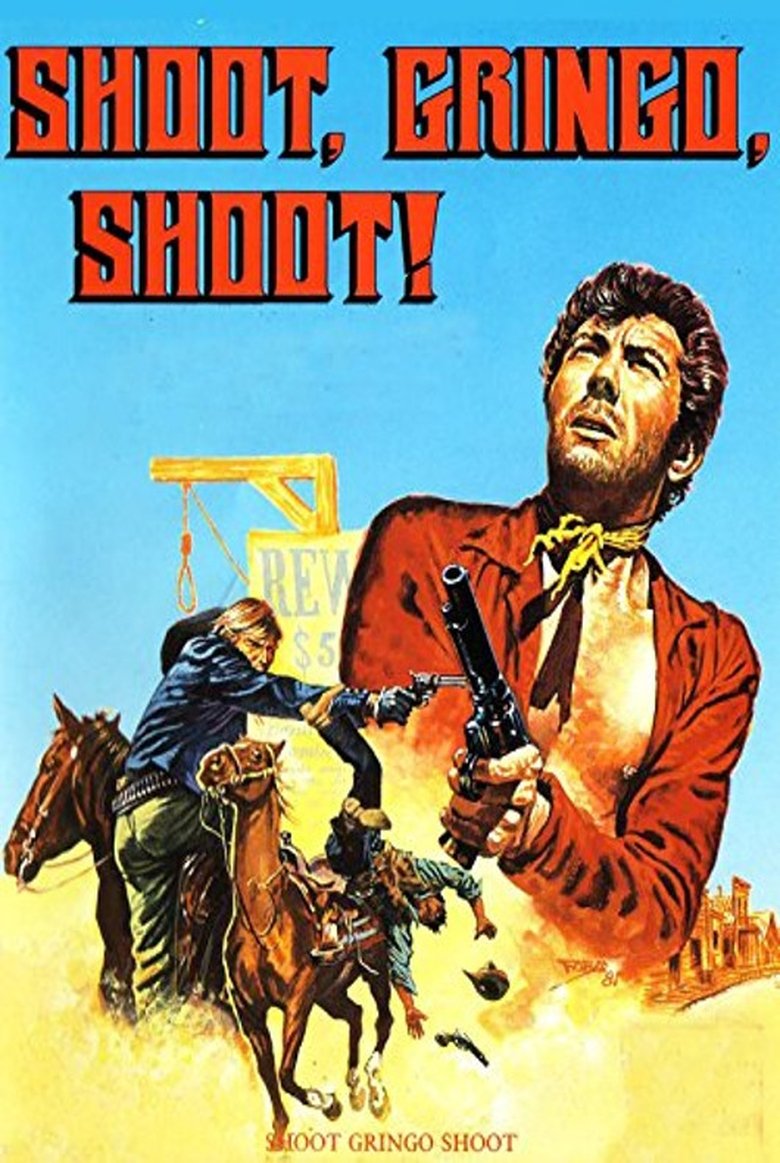
Chad Stark is offered his life and a nice ammount of dollars if he is to bring back the runaway son of mexican land-owner Gutierrez . This son, Fidel, teams up with an outlaw band lead by a former military man going by the name The Major. When Stark finds Fidel he is reintroduced to an old acquaintance which makes his job of returning the son a lot more difficult.
Overall Score
Limited
Category Breakdown
LGBTQ+ Representation
The film lacks LGBTQ+ characters or explorations of non-heteronormative identities. It operates within the traditional romantic frameworks typical of 1960s genre cinema.
Gender Representation
Agency is concentrated almost exclusively in male characters who drive the plot through violence. Female characters appear in secondary, peripheral roles without significant autonomy.
Racial & Ethnic Diversity
The cast is predominantly white, featuring a Mexican landowner and his son to fit the genre setting. It utilizes ethnic tension through the 'Gringo' archetype without disrupting established norms.
Religious & Cultural Diversity
The narrative focuses on individual survival and bounty hunting rather than systemic critiques. It reinforces frontier individualism rather than prioritizing collective identity or religious deconstruction.
Disability Representation
There is no representation of physical, sensory, or neurodivergent disabilities. No characters are depicted with disabilities as central figures or secondary plot devices.
Strengths
Areas for Improvement
AI Analysis
Shoot, Gringo... Shoot! is a conventional Spaghetti Western that adheres strictly to the social and demographic constraints of its era. The film prioritizes genre tropes like action and revenge over any intentional subversion of social hierarchies. While the presence of Mexican characters provides some ethnic texture, the narrative remains centered on white protagonists and traditional masculine archetypes. The lack of diverse representation across gender, sexuality, and disability reflects the period's cinematic standards. Ultimately, the film functions as a standard genre piece, maintaining the established power structures and demographic compositions common to 1960s Westerns.
1965
1971
1966
1969
1970
1968
1973
1957
1969
1966
1973
1959
No reviews yet. Be the first to share your thoughts on this movie!
Use the rating form above to leave a star rating and optional review.