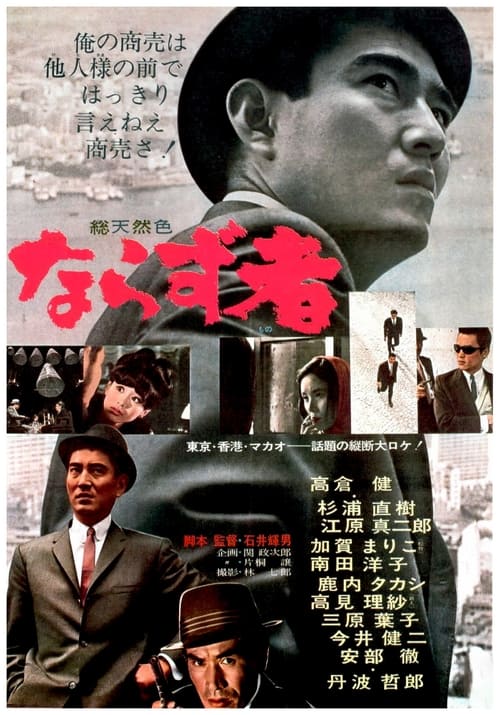
An Outlaw
1964
No user ratings available yet
Representation score: 3.3 out of 10
Representation Score
Limited
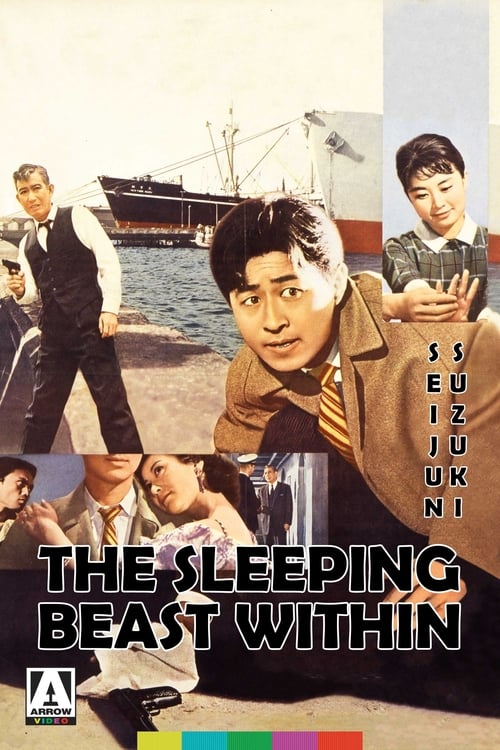
1960
Not RatedDirector
Seijun Suzuki
Runtime
86 minutes
Average Rating
No ratings yetNew Showbiz Analysis
Seijun Suzuki’s reputation for stylistic subversion offers potential for non-traditional storytelling, yet the narrative itself leans heavily on mid-century crime clichés. The film's primary diversity asset is its setting, which introduces ethnic variety through the Yokohama Chinatown backdrop. However, the character dynamics appear conventional. The plot is anchored by a male lead, with female characters serving primarily as motivators for his journey. This structure limits the depth of gender representation. Ultimately, the film functions as a genre piece that utilizes a diverse location to disrupt social homogeneity, even if the individual character arcs remain within traditional bounds.
Category Breakdown
The film does not include any explicit LGBTQ+ characters or non-straight relationships. The main storyline revolves around a reporter and his girlfriend, emphasizing a traditional romantic relationship.
The story is driven by a male protagonist through an investigative arc. A female character serves as a catalyst, but her independent role and influence are not fully explored.
Setting the action in Yokohama's Chinatown introduces significant ethnic complexity. This choice engages with a specific cultural enclave, moving the film away from a homogeneous social depiction.
The narrative follows a standard 1960s crime noir trajectory. There is no indication of challenging traditional institutions or promoting specific secular or anti-capitalist themes.
There is no mention of characters dealing with physical, sensory, or neurodivergent disabilities within the available records.
Present on Screen
Limited or Absent
Official Synopsis
A newspaper reporter's search for his girlfriend's missing father lead him into heart of the criminal underworld of Yokohama's Chinatown.
1964
1974
1964
1966
1970
1960
1974
1973
No reviews yet. Be the first to share your thoughts on this movie!
Use the rating form above to leave a star rating and optional review.