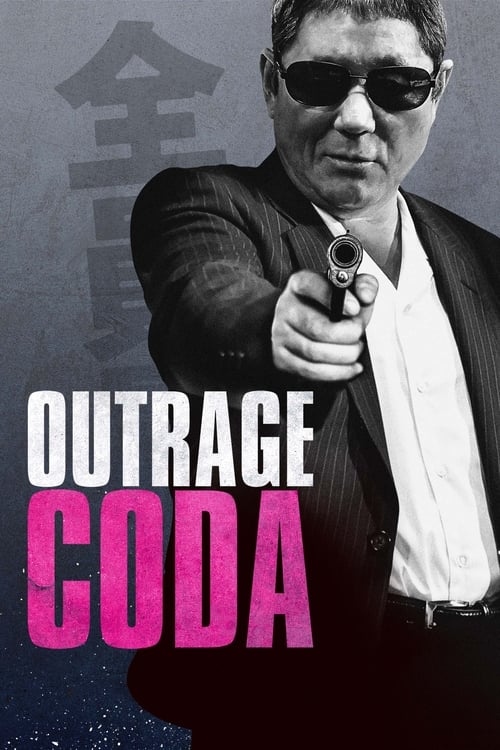
Outrage Coda
2017
No user ratings available yet
Representation score: 3.1 out of 10

Representation Score
Minimal
2012
RDirector
Takeshi Kitano
Runtime
112 minutes
Average Rating
No ratings yetNew Showbiz Analysis
Beyond Outrage is a traditional genre piece that focuses on the internal mechanics of a specific, homogeneous subculture. The film's structure reinforces conventional hierarchies of power and gender, focusing on a localized struggle for dominance. The narrative is deeply rooted in the hyper-masculine world of the Yakuza, which limits the scope for characters who reflect more than one aspect of diversity. By centering the conflict on the Sanno and Hanabishi syndicates, the film stays within the bounds of established patriarchal and cultural norms. Ultimately, the film functions as a stylistic crime drama rather than a work designed to disrupt social norms or provide diverse perspectives.
Category Breakdown
The film focuses on the power struggles within organized crime and does not include any LGBTQ+ characters or narratives that question the assumption that everyone is straight or cisgender.
The story centers around a male-dominated hierarchy where female characters have little control over their own lives and the narrative does not challenge the traditional gender roles.
The setting is a localized exploration of Japanese organized crime, and the cast is culturally homogeneous, reflecting the specific social constraints of the Yakuza subculture.
The story explores systemic dysfunction within criminal enterprises and the police, following traditional crime genre clichés rather than critiquing Western institutions.
There is no evidence regarding the portrayal of visible or invisible disabilities within the film's narrative.
Present on Screen
Limited or Absent
Official Synopsis
As the police launch a full-scale crackdown on organized crime, it ignites a national yakuza struggle between the Sanno of the East and Hanabishi of the West. What started as an internal strife in Outrage has now become a nationwide war in Outrage Beyond.
2017
1993
2010
1989
2012
2001
1964
1991
No reviews yet. Be the first to share your thoughts on this movie!
Use the rating form above to leave a star rating and optional review.