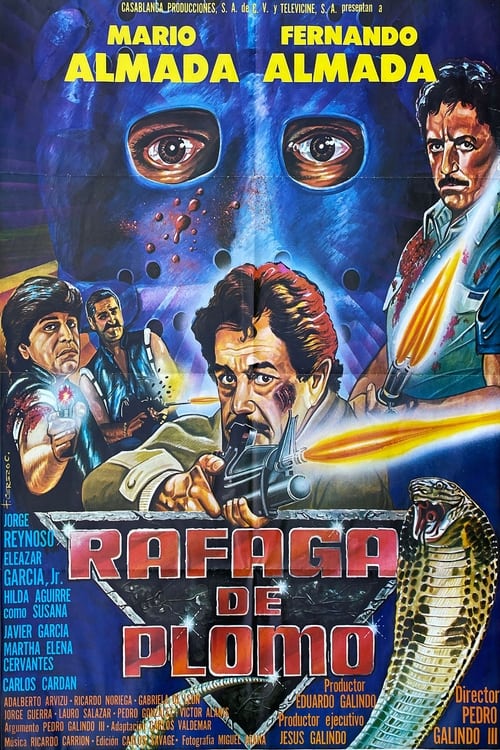
Rafaga De Plomo
1985
No user ratings available yet
Diversity score: 3.4 out of 10

1973
RDirector
Tulio Demicheli
Runtime
93 minutes
Average Rating
No ratings yetSynopsis
Fresh out of the joint, young Ricco is eager to get home to see his family. He was cut loose a year early for good behavior, but it certainly wasn't good behavior that got him in the big house in the first place. Two years prior, Ricco took it upon himself to go after Don Avito, the man who killed his pappy and took his girlfriend. Yet Ricco came out of prison a changed man. He had a lot of time to think, and the anger and thirst for revenge is no longer there, much to his mother's chagrin. She is quite upset that her son is not interested in paying back Don Avito for his deeds, and she needles Ricco relentlessly until he reluctantly gives in to her demands.
Overall Score
Limited
Category Breakdown
LGBTQ+ Representation
The film centers on a heteronormative romantic conflict involving the protagonist's former girlfriend. There is no evidence of non-cisnormative identities or critiques of traditional orientation frameworks.
Gender Representation
The story is built around a masculine protagonist driven by revenge and duty. While the mother acts as an emotional catalyst, female characters lack independent agency within the patriarchal structure.
Racial & Ethnic Diversity
The narrative focuses on organized crime and specific family lineages. Without broader casting details, the film appears to follow the potentially homogeneous character focus typical of 1970s crime dramas.
Religious & Cultural Diversity
The plot emphasizes traditionalist values like familial honor and ancestral obligations. It follows a classical moral arc rather than challenging established Western institutions or social ideologies.
Disability Representation
The film provides no information or depiction regarding physical or mental disabilities.
Strengths
Areas for Improvement
AI Analysis
Ricco is a conventional 1970s crime drama that prioritizes genre tropes over social complexity. The narrative is anchored in a masculine struggle for redemption and the weight of familial expectations. It functions primarily as a character study of a man caught between personal growth and traditional vendettas. Representation is limited by the era's standard frameworks. The film relies on established archetypes, such as the vengeful protagonist and the demanding matriarch, to drive the plot forward. There is little evidence of intersectional depth or the subversion of social hierarchies. Ultimately, the film serves as a period-typical genre piece. It focuses on individualistic conflict and domestic pressures rather than exploring diverse identities or challenging the status quo.
1985
1969
1976
1987
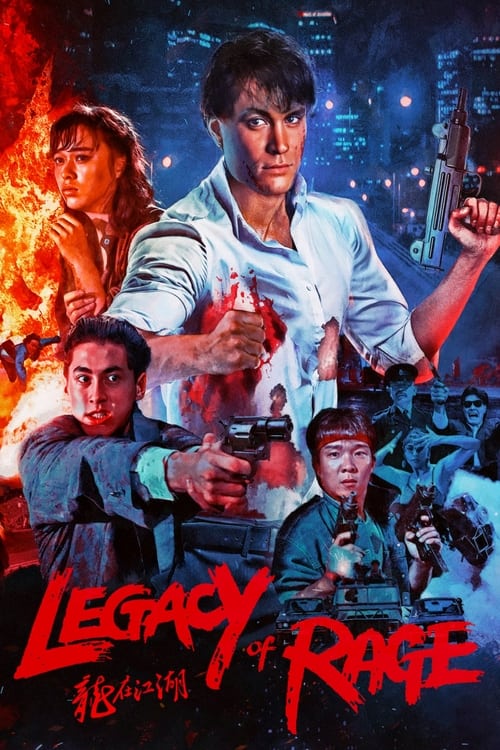
1986
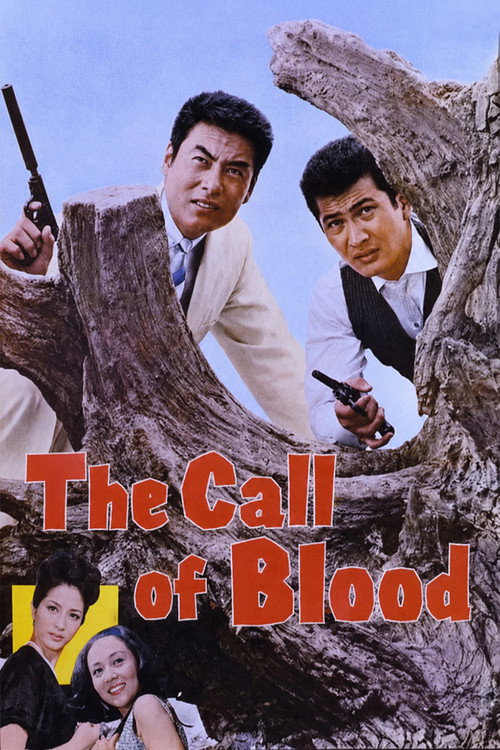
1964

1977
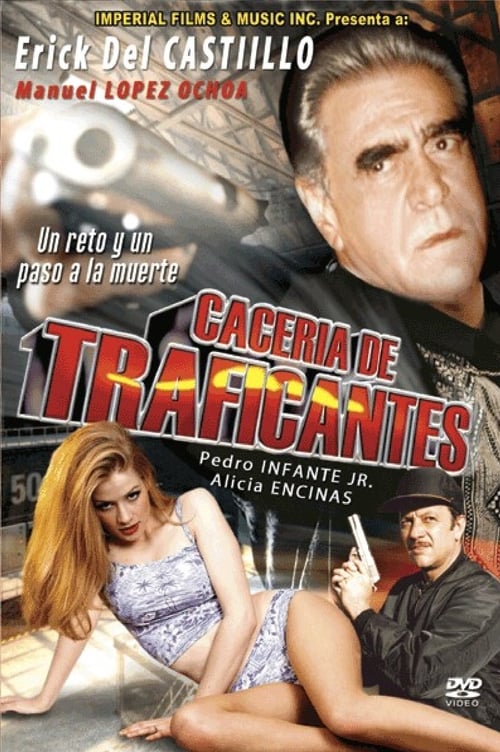
1983
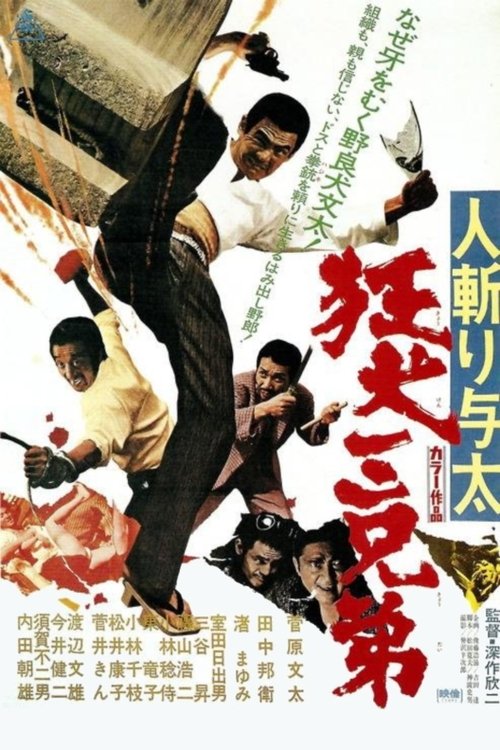
1972
1971

1972

2026
No reviews yet. Be the first to share your thoughts on this movie!
Use the rating form above to leave a star rating and optional review.