
Jesse James
1939
No user ratings available yet
Diversity score: 2.9 out of 10
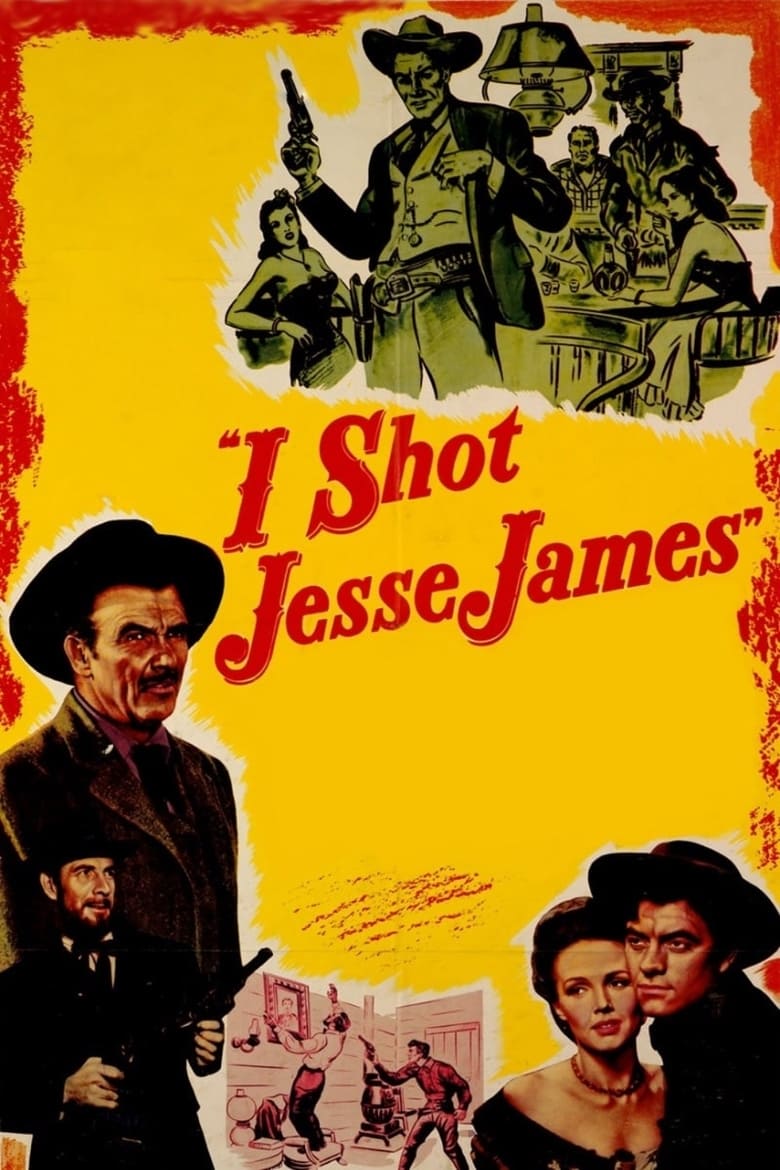
1949
NRDirector
Samuel Fuller
Runtime
81 minutes
Average Rating
No ratings yetSynopsis
Bob Ford murders his best friend Jesse James in order to obtain a pardon that will free him to marry his girlfriend Cynthy. The guilt-stricken Ford soon finds himself greeted with derision and open mockery throughout town. He travels to Colorado to try his hand at prospecting in hopes that marriage with Cynthy is still in the cards.
Overall Score
Minimal
Category Breakdown
LGBTQ+ Representation
The film operates within a strictly heteronormative framework. There is no evidence of non-cisnormative gender identities or same-sex intimacy.
Gender Representation
Female characters like Cynthy function primarily as catalysts for male action. They lack independent agency and serve as passive figures within a male-driven landscape.
Racial & Ethnic Diversity
The cast is predominantly white and Anglo-Saxon. The film lacks diverse demographics or intersectional casting, reflecting the historical homogeneity of the Western genre.
Religious & Cultural Diversity
The narrative explores moral relativism by questioning the line between social rebels and criminals. However, it remains tethered to traditional Western tropes.
Disability Representation
There are no discernible depictions of physical or neurodivergent disabilities. No character arcs are defined by visible or invisible impairments.
Strengths
Areas for Improvement
AI Analysis
I Shot Jesse James is a traditional Western that prioritizes individual psychological conflict over social diversity. While the film offers a sophisticated look at the ambiguity of outlaw morality, it does not challenge the established hierarchies of its era. The narrative focuses on Bob Ford's personal guilt and betrayal, leaving little room for diverse perspectives. It functions as a character study of ethics rather than a critique of systemic power dynamics. Ultimately, the film adheres to the demographic and social norms of 1949, lacking intentionality regarding gender, race, or identity representation.
1939
2015
1957
1970
1969
1952
1969
1971
1949
1967
1939
1940
No reviews yet. Be the first to share your thoughts on this movie!
Use the rating form above to leave a star rating and optional review.