The Tin Star
1957
No user ratings available yet
Diversity score: 2.9 out of 10
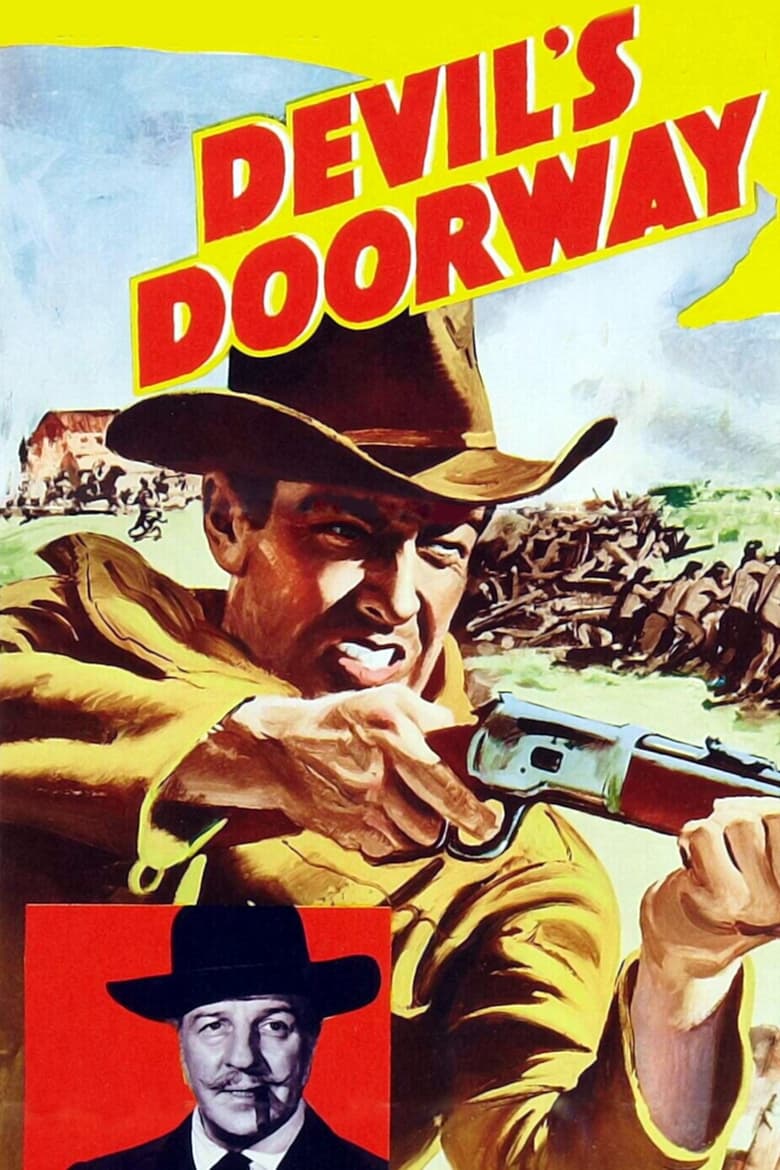
1950
ApprovedDirector
Anthony Mann
Runtime
84 minutes
Average Rating
No ratings yetSynopsis
A Native American Civil War hero returns home to fight for his people.
Overall Score
Fair
Category Breakdown
LGBTQ+ Representation
The film focuses on frontier justice and racial conflict. There is no evidence of non-cisnormative identities or critiques of heteronormativity.
Gender Representation
Orrie Masters, a female lawyer, serves as a central agent of legal recourse. This inclusion of a woman in a professional, intellectual capacity challenges standard submissive female tropes.
Racial & Ethnic Diversity
The story centers a Shoshone veteran to address systemic bigotry and legal disenfranchisement. While the lead is played by a white actor, the script prioritizes indigenous rights.
Religious & Cultural Diversity
The narrative portrays legal and civic structures as tools of oppression used for land theft. It critiques established power dynamics rather than idealizing frontier civilization.
Disability Representation
No characters with visible or invisible disabilities are identified as central to the narrative or possessing agency.
Strengths
Areas for Improvement
AI Analysis
Devil's Doorway stands out as a mid-century Western that disrupts the monolithic, heroic narrative typical of the genre. By centering a Shoshone war hero, the film confronts the systemic exclusion of marginalized groups from the American Dream. The film's strength lies in its thematic commitment to exploring racial injustice and the corruption of local institutions. It uses the legal system as a mechanism for exploitation rather than justice, providing a sophisticated layer of social commentary. However, the film remains limited by the casting practices of 1950, specifically the use of a white actor for a Native American role. While the themes are progressive, the visual representation lacks authentic ethnic casting.
1957
1950
1955
1960
1954
1960
1957

1951
1955
1975
1954

1957
No reviews yet. Be the first to share your thoughts on this movie!
Use the rating form above to leave a star rating and optional review.