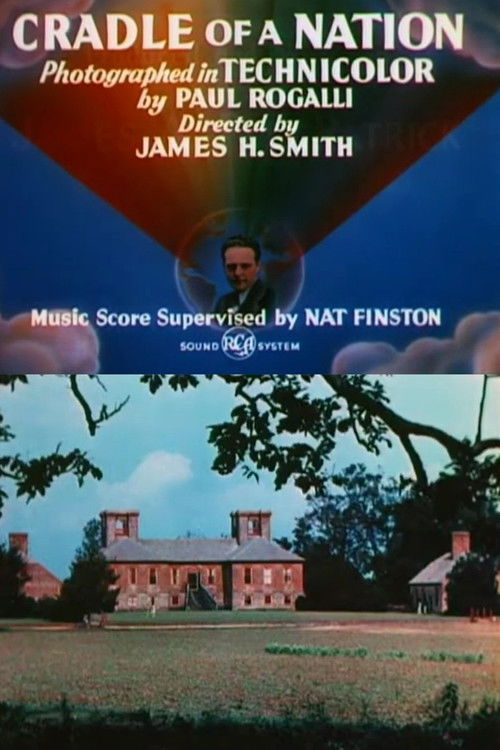
Cradle of a Nation
1947
No user ratings available yet
No diversity score available
1949
ApprovedDirector
James H. Smith
Runtime
20 minutes
Average Rating
No ratings yetSynopsis
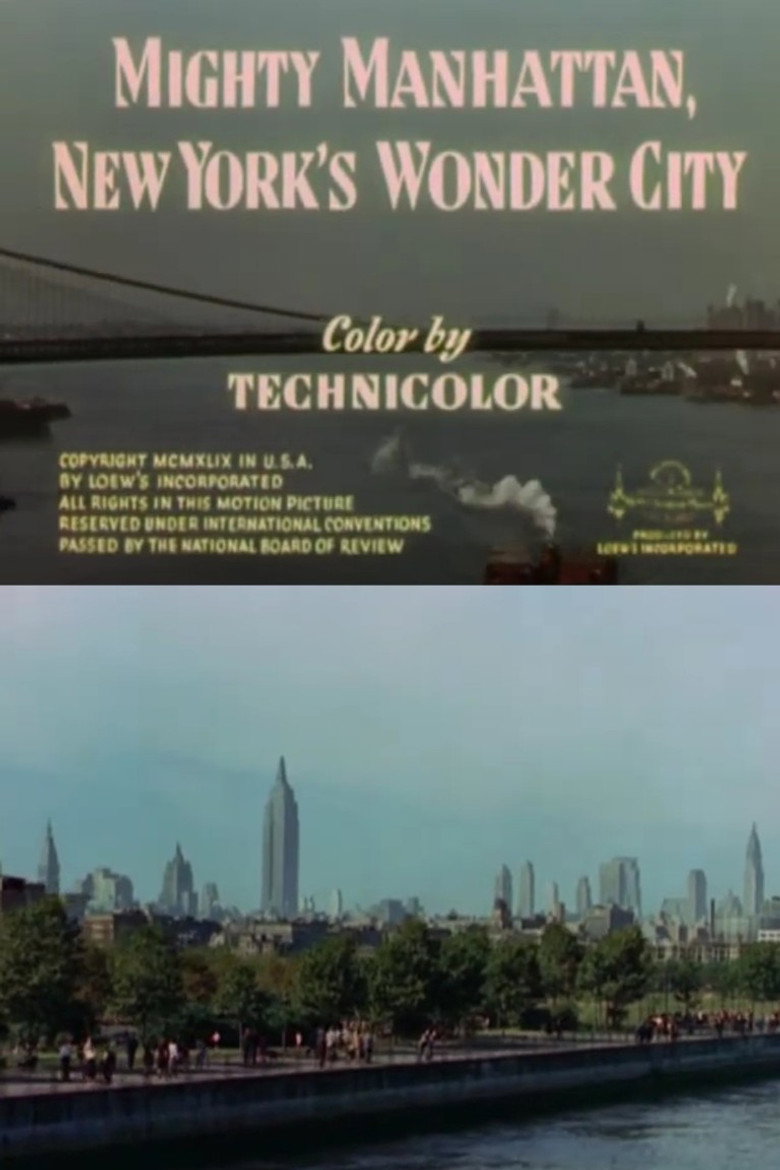
This film visits many of the neighborhoods and landmarks on Manhattan Island and occasionally includes a history lesson. The neighborhoods include the Bowery, Chinatown, Herald Square, and Times Square. Some of the architectural highlights are the Empire State Building, the New York Public Library, Temple Emanuel, the Central Park Zoo, and the Rockefeller Center complex. The film ends with a visit to a dining room in the Waldorf Astoria Hotel, where the Xavier Cugat Orchestra entertains.
Overall Score
Limited
Category Breakdown
LGBTQ+ Representation
The film focuses on urban geography and landmarks rather than human narratives. There is no evidence of LGBTQ+ characters or identities present in this survey of Manhattan.
Gender Representation
The documentary emphasizes masculine-coded architectural achievements like the Empire State Building. While the Waldorf Astoria features an orchestra, women do not appear to hold roles of high agency.
Racial & Ethnic Diversity
A visit to Chinatown acknowledges an ethnic enclave, though likely through a tourist lens. The inclusion of Temple Emanuel provides some religious variety within the urban landscape.
Religious & Cultural Diversity
The film celebrates mid-century Western values and American capitalism. It prioritizes institutional reverence through sites like Rockefeller Center rather than exploring diverse cultural critiques.
Disability Representation
There is no evidence of subjects or characters with visible or invisible disabilities. The focus remains strictly on architecture and urban movement.
Strengths
Areas for Improvement
AI Analysis
Mighty Manhattan serves as a traditionalist topographical survey of 1949 New York. It functions primarily to celebrate civic pride and the grandeur of the built environment, such as the Empire State Building and the Waldorf Astoria. Because the film prioritizes architectural landmarks and institutional stability, it lacks the framework for meaningful human representation. The narrative adheres to the social norms of its era, focusing on Western urban achievement. Consequently, the film offers little insight into the diverse lived experiences of the city's inhabitants, instead presenting a polished, institutionalized view of Manhattan's landscape.
1947
1896
1896
1909
1921
1996
1906
1956
1940
1942
1940
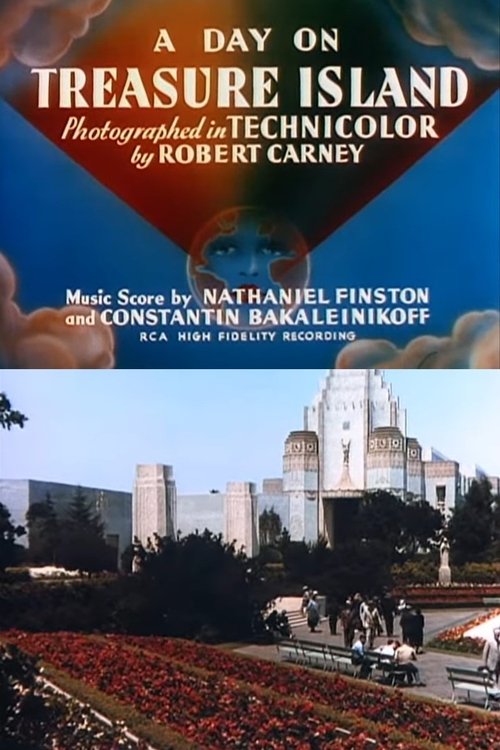
1939
No reviews yet. Be the first to share your thoughts on this movie!
Use the rating form above to leave a star rating and optional review.