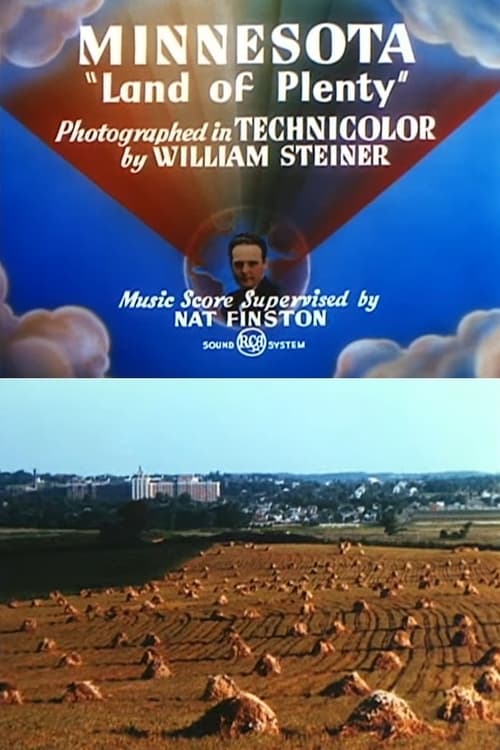
Minnesota: 'Land of Plenty'
1942
No user ratings available yet
Representation score: 0.3 out of 10
Representation Score
Minimal
1942
ApprovedDirector
James A. FitzPatrick
Runtime
9 minutes
Average Rating
No ratings yetNew Showbiz Analysis
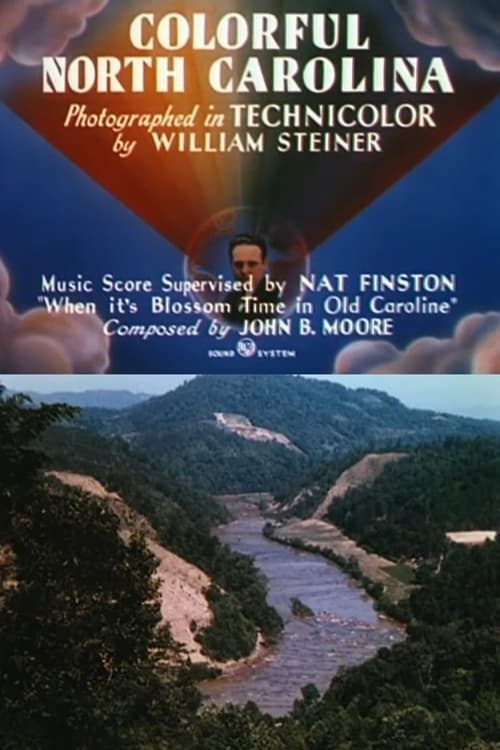
The film presents North Carolina as a mid-century promotional travelogue, emphasizing aesthetic landscapes and regional charm. While it offers some visibility for Cherokee communities, the film remains rooted in traditional social frameworks. The documentary celebrates established cultural norms and historical continuity. It lacks engagement with LGBTQ+ identities or disability representation, focusing instead on traditional social activities like square dancing and local pageants. Ultimately, the film presents a curated, traditionalist view of the American South. It treats diverse populations as part of a scenic tour rather than providing complex, individualized character arcs.
Category Breakdown
The film does not depict any LGBTQ+ characters or non-cisgender identities. It focuses on showcasing regional scenery.
Women are shown in scenes involving the Rhododendron Pageant and ranch activities. However, they primarily serve decorative or communal roles within established social structures.
The documentary highlights Cherokee Indian communities living in North Carolina. This provides visibility for indigenous populations, though they are presented as scenic cultural points of interest.
The narrative emphasizes traditional regionalism and patriotism through landmarks like the Biltmore estate and Catholic churches. It reinforces mid-century Western values and community stability.
There is no depiction of characters with visible or invisible disabilities in the film.
Present on Screen
Limited or Absent
Official Synopsis
This FitzPatrick Traveltalk short tours North Carolina, first visiting the Cataloochie Ranch near Waynesville, where the ranch hands are shown square-dancing and singing folk songs. We cut to a visit with the many Cherokee Indian living in the state, followed by the camera showing the fields of azaleas, flowers that grow wild in many areas of this state. At the Biltmore estate, the annual Rhododendron Pageant is seen. Our screen tour winds up with a visit to Asheville, depicting Pack Square, the St. Lawrence Catholic Church and the Skyline Drive.
1942

1944

1944
1941
1944

1942
1940
1941
No reviews yet. Be the first to share your thoughts on this movie!
Use the rating form above to leave a star rating and optional review.