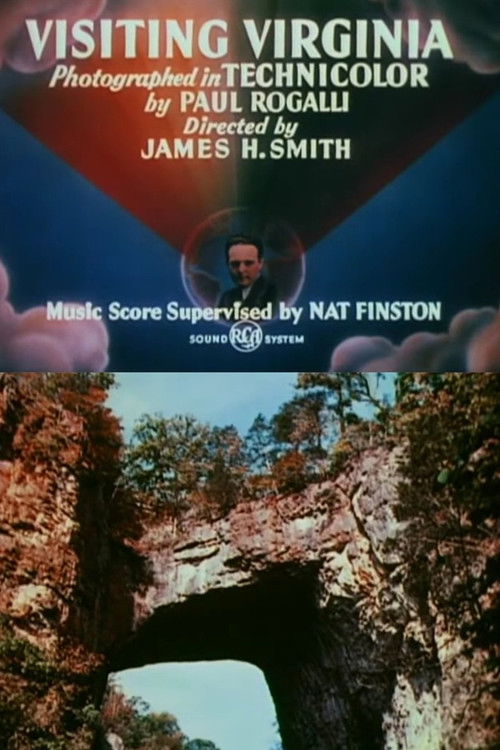
Visiting Virginia
1947
No user ratings available yet
Representation score: 0.4 out of 10
Representation Score
Minimal
1947
ApprovedDirector
James H. Smith
Runtime
9 minutes
Average Rating
No ratings yetNew Showbiz Analysis
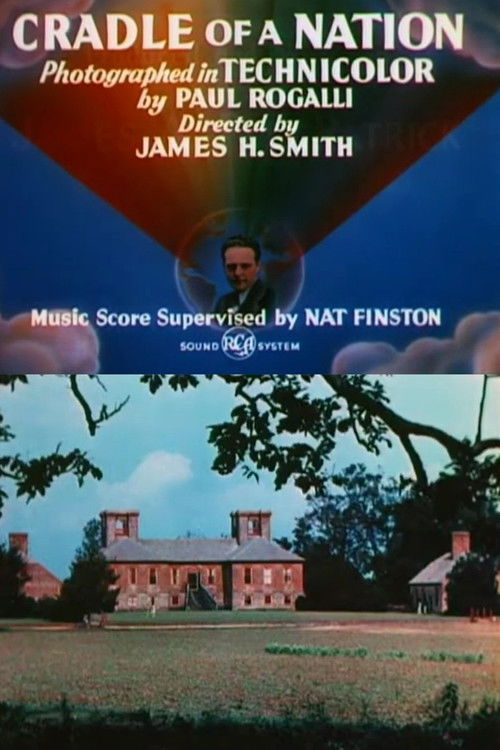
Cradle of a Nation is a mid-century documentary that emphasizes preserving historical landmarks in Virginia. Its structure aligns with the era's conventional standards, focusing on patriotism and the continuity of regional identity. Since the film centers on established historical sites, it lacks perspectives that reflect multiple aspects of identity. The narrative architecture reinforces traditional social hierarchies rather than challenging them, offering a narrow view of history that favors Anglo-Saxon perspectives. Ultimately, the film serves as a traditional celebration of heritage. It provides minimal engagement with diverse identities, reflecting the socio-cultural limitations of 1947 production.
Category Breakdown
The film does not include any LGBTQ+ characters or stories about non-straight identities. This reflects the social norms of 1947 filmmaking.
The documentary focuses on Virginia's historical sites without emphasizing the roles of women or diverse gender identities. It follows traditional, male-dominated observational methods common in mid-century media.
The narrative likely presents a homogeneous view of regional history. It does not highlight non-white perspectives or a diverse cast of people involved with the sites visited.
The film celebrates the established regional identity and Western heritage. It does not critique traditional institutions or moral viewpoints from different cultural backgrounds.
There is no evidence showing the portrayal of individuals with visible or invisible disabilities in this documentary.
Present on Screen
Limited or Absent
Official Synopsis
Historical sites in Virginia are visited.
1947

1935
1941

2012
1942
1941
1944
1940
No reviews yet. Be the first to share your thoughts on this movie!
Use the rating form above to leave a star rating and optional review.