New York, Broadway
1896
No user ratings available yet
Representation score: 1.0 out of 10
Representation Score
Minimal
1896
Not RatedDirector
Alexandre Promio
Runtime
1 minutes
Average Rating
No ratings yetNew Showbiz Analysis
This documentary captures late 19th-century urban life as a historical snapshot rather than a narrative work. As a passive recording of unscripted events, it lacks the structure needed for intentional representation or the subversion of social hierarchies. The film captures the social structures of 1896 New York. While it provides a valuable record of the era's demographics and gendered public spaces, it does not engage with progressive themes or diverse character centering.
Category Breakdown
The film does not depict any LGBTQ+ identities. The candid footage reflects the social norms of 1896.
Women are shown in traditional roles such as pedestrians or shoppers. The footage captures existing gender norms without challenging them.
The footage is mostly white, reflecting the demographics of Union Square in 1896. It provides a historical record of racial integration in public spaces.
The film documents Western urban life and capitalist expansion. It preserves Western institutions without critiquing them.
There is no depiction of individuals with visible or invisible disabilities. No characters with disabilities are given a central role.
Present on Screen
Limited or Absent
1896
1896
1896
1896
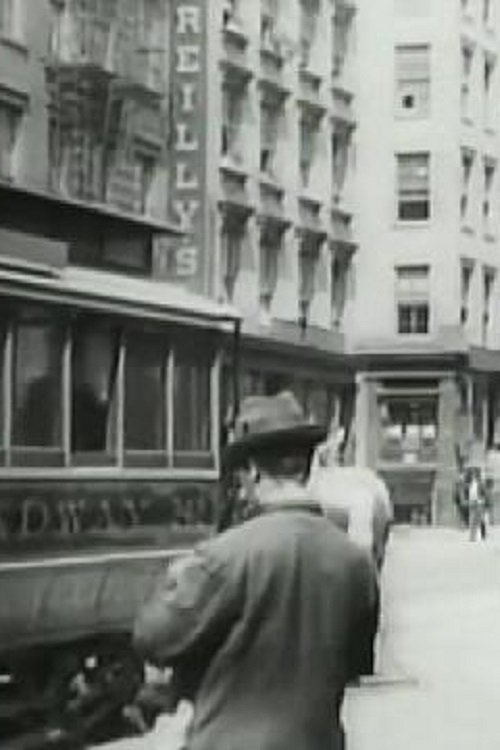
1896

1896

1896
1897
No reviews yet. Be the first to share your thoughts on this movie!
Use the rating form above to leave a star rating and optional review.