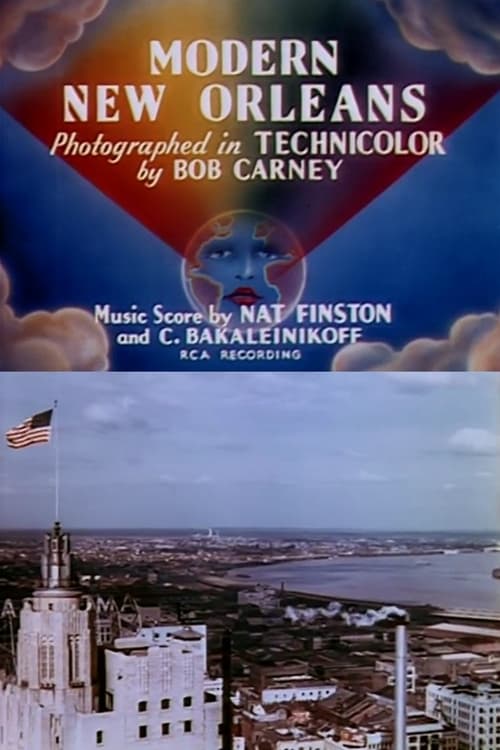
Modern New Orleans
1940
No user ratings available yet
Representation score: 0.6 out of 10
Representation Score
Minimal
1940
ApprovedRuntime
9 minutes
Average Rating
No ratings yetNew Showbiz Analysis
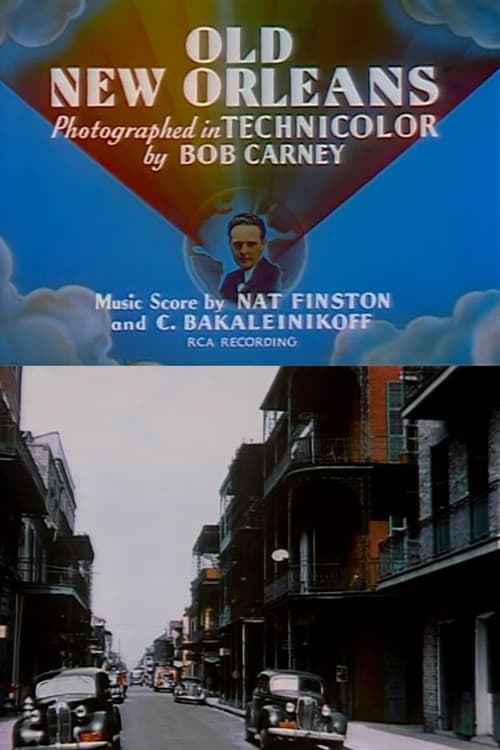
As a 1940s Traveltalk documentary, *Old New Orleans* serves as a visual archive of urban landmarks rather than a character-driven narrative. The film’s focus on topographical observation and architectural history inherently limits opportunities for complex social representation. The documentary prioritizes the 'Old World' aesthetic of the French Quarter, emphasizing historical continuity through sites like Pirate’s Alley and Broussard’s Restaurant. This approach favors the preservation of the existing cultural status quo over an exploration of the city’s diverse human demographics. Because the work centers on place rather than people, it lacks the framework to address gender ability to act, disability, or LGBTQ+ identities. It remains a period-specific informational short focused on the physical landscape of New Orleans.
Category Breakdown
The film operates as a non-narrative travelogue, lacking character arcs or interpersonal relationships. It does not depict any queer identities.
Women do not play significant roles in driving the story, nor do they disrupt traditional hierarchies. The focus remains on static architecture and public spaces.
The film highlights landmarks such as the French Market, reflecting a multi-ethnic history. However, it emphasizes colonial architectural heritage over racial demographics.
The narrative celebrates regional history and traditional institutions like the Cathedral of St. Louis. It reinforces a sense of historical continuity and traditionalism.
The content is purely observational and lacks a human-centric framework. There is no focus on neurodivergence or physical disabilities.
Present on Screen
Limited or Absent
Official Synopsis
This Traveltalk series short looks at several landmarks and neighborhoods in New Orleans, Louisiana. Sights include the Cathedral of St. Louis, Pirate's Alley, the Old French Market, and Broussard's Restaurant.
1940
1940
1938
1948
1949
1937
1941
1946
No reviews yet. Be the first to share your thoughts on this movie!
Use the rating form above to leave a star rating and optional review.