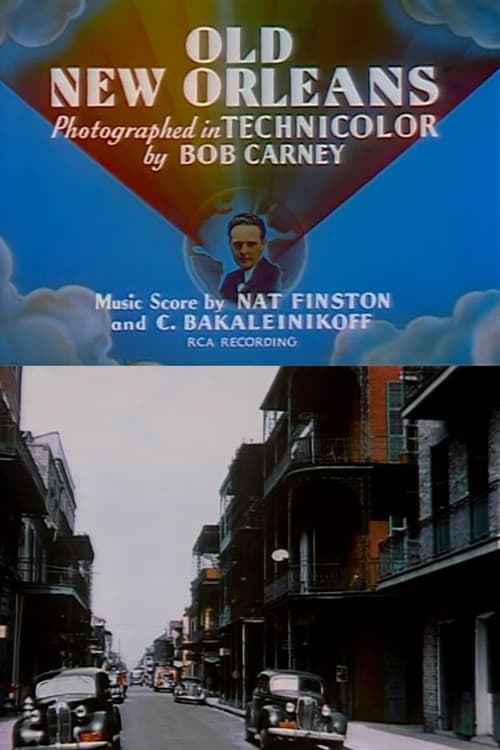
Old New Orleans
1940
No user ratings available yet
Diversity score: 2.4 out of 10
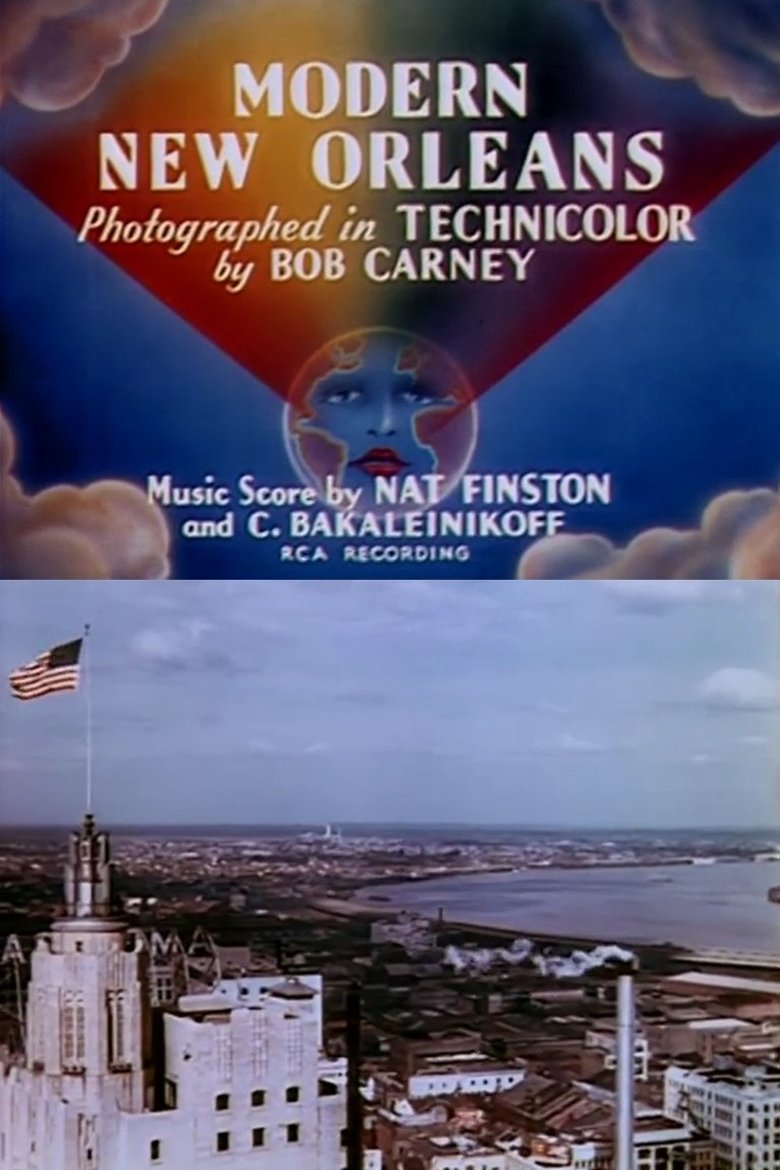
1940
PassedRuntime
8 minutes
Average Rating
No ratings yetSynopsis
This Traveltalk look at New Orleans starts at the recently modernized port and harbor facilities, with ships unloading various cargo and loading cotton. We then ride along Canal Street and visit the Tulane University campus. After a look at the variety of the residential architecture, we end our visit at the city's new airport.
Overall Score
Minimal
Category Breakdown
LGBTQ+ Representation
The film contains no evidence of LGBTQ+ characters or narratives. Its focus on industrial logistics and architecture precludes any exploration of non-heteronormative identities.
Gender Representation
The documentary reinforces 1940s gendered labor divisions. The narrative centers on masculine-coded industrial work, such as port operations and maritime logistics, without subverting traditional hierarchies.
Racial & Ethnic Diversity
The film prioritizes technological and architectural progress over human-centric storytelling. While New Orleans is demographically diverse, the lens focuses on inanimate objects and institutional structures.
Religious & Cultural Diversity
The narrative celebrates Western industrialism and capitalist expansion. It presents the growth of infrastructure and trade efficiency as an inherently positive, objective advancement for the city.
Disability Representation
There is no evidence of individuals with visible or invisible disabilities. The scope remains strictly on macro-scale urban development and civic progress.
Strengths
Areas for Improvement
AI Analysis
Modern New Orleans functions as a promotional survey of mid-century civic progress. It prioritizes the modernization of port facilities, transportation, and architecture over the representation of human identity. The film reflects the conservative social frameworks of 1940, focusing on economic stability and industrial efficiency. Consequently, it lacks intentional diversity or social critique. Because the documentary emphasizes inanimate objects and institutional growth, it fails to capture the complex human demographics of the city.
1940
1935
1942

1944
1938
1939
1940
1939
1981
1940
1900
1952
No reviews yet. Be the first to share your thoughts on this movie!
Use the rating form above to leave a star rating and optional review.