
Berlin: Symphony of a Great City
1927
No user ratings available yet
Representation score: 2.3 out of 10
Representation Score
Minimal
1921
Not RatedDirector
Charles Sheeler, Paul Strand
Runtime
11 minutes
Average Rating
No ratings yetNew Showbiz Analysis
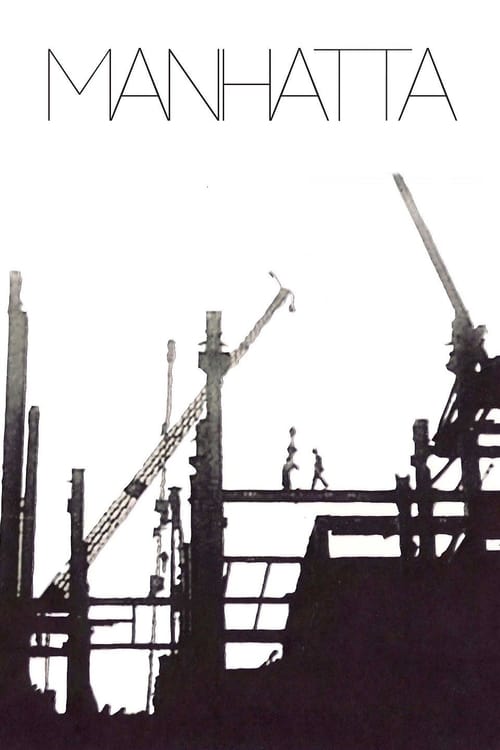
Manhatta is a pioneering experimental documentary that prioritizes a 'city symphony' aesthetic over human-centric storytelling. Its main goal is to celebrate the industrial form, capturing the essence of a modernizing New York through steel, steam, and stone. Since the film operates as a visual poem of the mechanical sublime, it lacks the narrative focus needed to engage with overlapping aspects of identity. The emphasis remains on the rhythmic geometry of the landscape rather than the social complexities of its inhabitants. Ultimately, the work does not aim for progressive storytelling. Instead, it serves as a formalist documentation of progress and technological expansion, focusing on the mechanical and architectural landscape.
Category Breakdown
Since the film is a non-narrative city symphony, it doesn't show any character development or dialogue. It focuses on architectural and industrial textures, which means there's no depiction of sexual orientation.
The film lacks a structured narrative to explore gender roles. Commuters and ironworkers act as rhythmic elements within the urban machine rather than as individual agents.
The camera focuses on the structures of capitalism and industry rather than specific identities. While crowds represent a diverse urban reality, the emphasis is on skyscrapers and machinery.
The film celebrates industrial modernity and the American metropolis. It presents the industrial landscape through formalist beauty, documenting the era's structural optimism without addressing Western institutions.
The subject matter is limited to the mechanical and architectural landscape. There are no depictions of individuals with disabilities or any framework to address neurodivergence.
Present on Screen
Limited or Absent
Official Synopsis
Morning reveals New York harbor, the wharves, the Brooklyn Bridge. A ferry boat docks, disgorging its huddled mass. People move briskly along Wall St. or stroll more languorously through a cemetery. Ranks of skyscrapers extrude columns of smoke and steam. In plain view. Or framed, as through a balustrade. A crane promotes the city's upward progress, as an ironworker balances on a high beam. A locomotive in a railway yard prepares to depart, while an arriving ocean liner jostles with attentive tugboats. Fading sunlight is reflected in the waters of the harbor. The imagery is interspersed with quotations from Walt Whitman, who is left unnamed.
1927
1929
1929
1928
1928
1929
1928
1903
No reviews yet. Be the first to share your thoughts on this movie!
Use the rating form above to leave a star rating and optional review.