
House on Fire
1986
No user ratings available yet
Diversity score: 5.7 out of 10
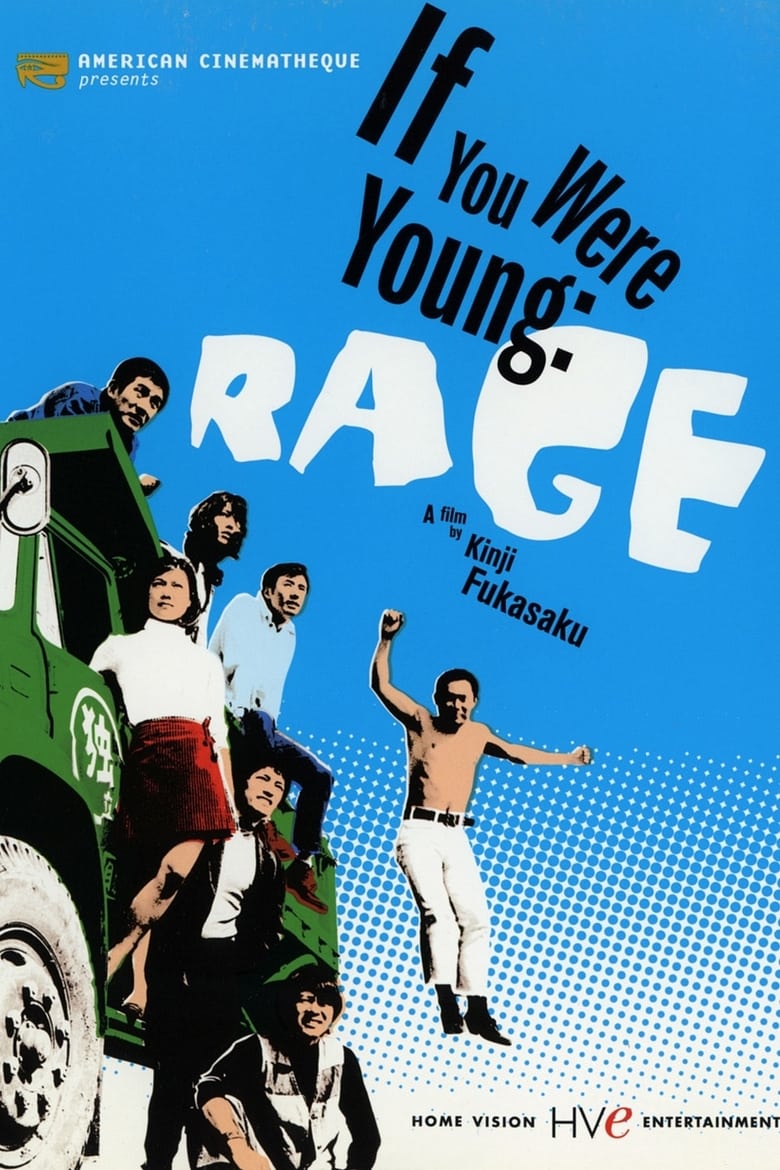
1970
Director
Kinji Fukasaku
Runtime
89 minutes
Average Rating
No ratings yetSynopsis
If You Were Young: Rage highlights the other side of post-war Japanese prosperity, focusing on the throngs of young people who missed out on the boom. We follow a group of young men that can't seem to get ahead, despite their willingness to try. Then one hits upon a plan - to work together to save for a dump truck and thus become independent contractors and be their own bosses at last. Ultimately life presents obstacles: jail for one, violence at the hands of the police for another, and a girlfriend and subsequent children for the third. An early Kinji Fukasaku gem that imports the freewheeling style of the French New Wave and the hip detachment of American noir.
Overall Score
Fair
Category Breakdown
LGBTQ+ Representation
The film focuses on the masculine bonds of a delinquent subculture. There is no evidence of explicit LGBTQ+ identities or same-sex intimacy, remaining within a traditional heteronormative framework.
Gender Representation
The narrative is heavily male-centric, focusing on youth rebellion and male camaraderie. Women appear primarily in relation to the men, though the film avoids some idealized femininity of the era.
Racial & Ethnic Diversity
The film depicts a largely homogeneous urban population in 1970s Japan. While it centers a distinctly Japanese struggle, the lack of ethnic plurality limits its diversity.
Religious & Cultural Diversity
Fukasaku excels at critiquing established institutions and capitalist structures. The film frames the rage of disenfranchised youth as a legitimate response to systemic exclusion and social rigidity.
Disability Representation
There is no significant evidence regarding the portrayal of physical or neurodivergent disabilities. The characters' struggles are primarily socioeconomic and psychological rather than centered on disability.
Strengths
Areas for Improvement
AI Analysis
Kinji Fukasaku’s film is a visceral deconstruction of the Japanese economic miracle. It shifts the focus from national prosperity to the systemic alienation of a generation struggling for agency within a rigid social hierarchy. The work excels in its cultural critique, using the stylistic hallmarks of the French New Wave to challenge traditional authority. It frames anti-social behavior as a form of liberation against an oppressive framework. However, the film lacks demographic breadth. The narrative is heavily centered on male camaraderie and a homogeneous population, offering little representation for LGBTQ+ identities, diverse ethnicities, or individuals with disabilities.
1986

1971
1965

1960
1964
1960
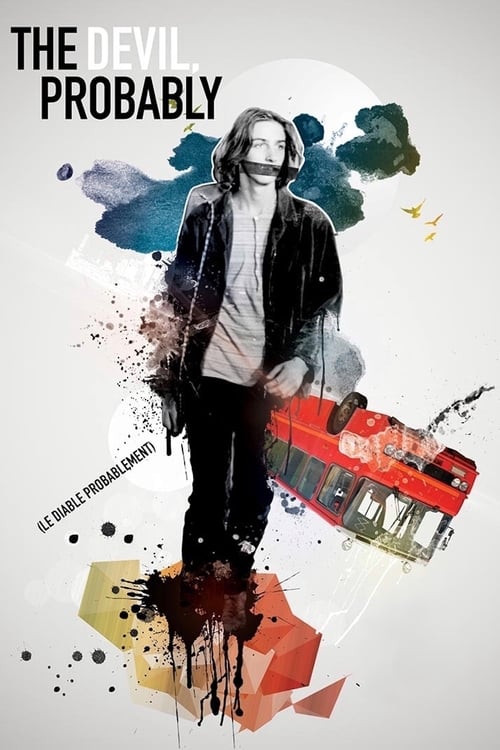
1977

1976
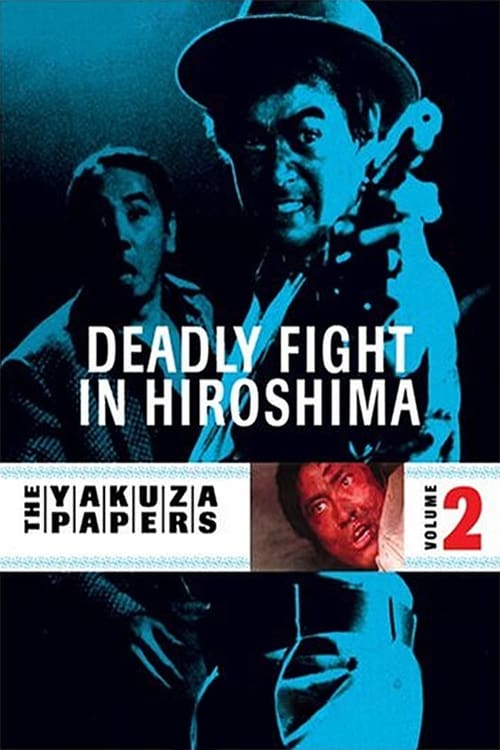
1973
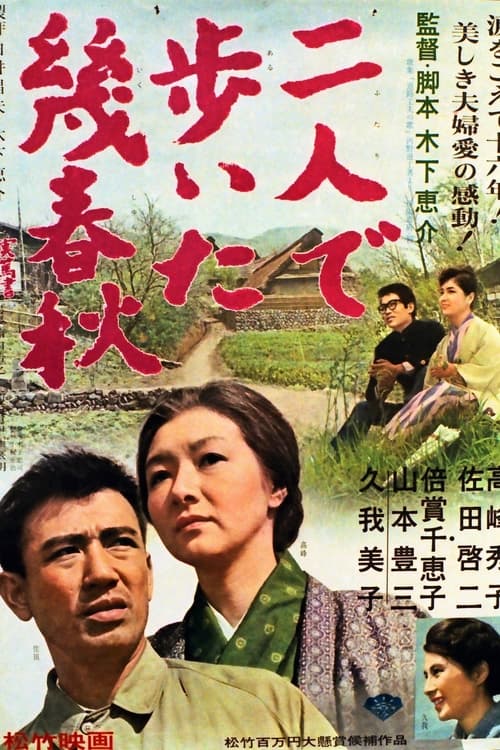
1962
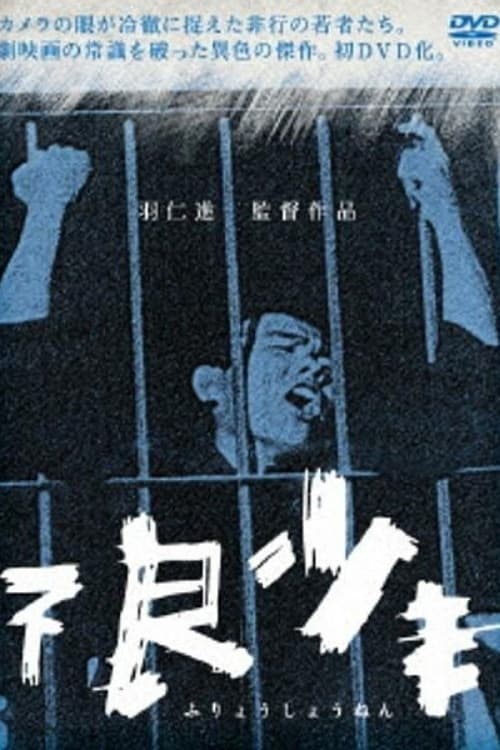
1961

1956
No reviews yet. Be the first to share your thoughts on this movie!
Use the rating form above to leave a star rating and optional review.