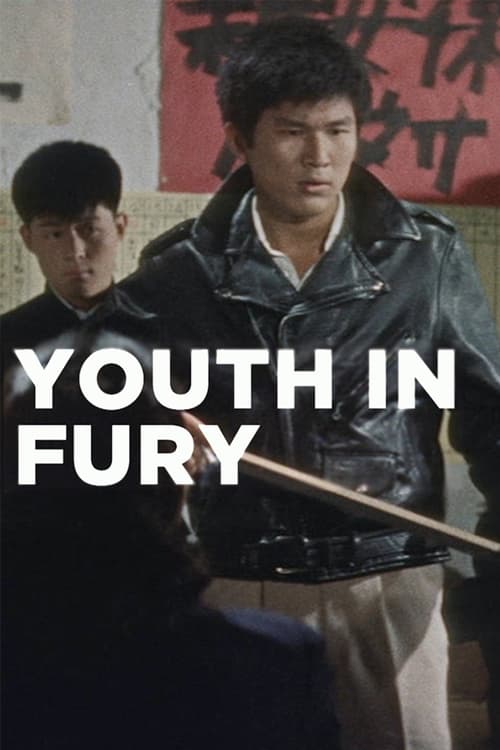
Youth in Fury
1960
No user ratings available yet
Representation score: 2.6 out of 10

Representation Score
Good
1960
Director
Yasuzō Masumura
Runtime
94 minutes
Average Rating
No ratings yetNew Showbiz Analysis
Yasuzō Masumura’s drama highlights the psychological turmoil of youth and the conflict between personal identity and institutional structures in post-war Japan. It excels in critiquing authority and exploring the tensions between intellectual ideals and reality. However, the film’s scope is narrow, focusing primarily on a homogeneous cast and male-centric intellectual pursuits. It lacks broad representation of LGBTQ+ identities and characters with disabilities.
Category Breakdown
The film does not include explicit LGBTQ+ narratives or characters with diverse gender identities. The focus is on socio-political issues rather than sexual orientation.
The story reflects a period-specific emphasis on male-dominated intellectual pursuits. There is limited representation of women taking active roles or challenging gender hierarchies.
As a Japanese production, the cast is predominantly Japanese. It provides a cultural perspective on Japanese society influenced by Western ideas and undergoing social changes.
The film delves into systemic disillusionment and leftist student movements. It critiques the established order and questions the sanctity of traditional academic and social systems.
Characters with visible or invisible disabilities are not central to the narrative themes. The story focuses on the socioeconomic and ideological pressures faced by students.
Present on Screen
Limited or Absent
Official Synopsis
A youth drama set in a Japanese university which is home to a group of active, leftist students.
1960
1967
1970

2016
1954
1960

1946
1971
No reviews yet. Be the first to share your thoughts on this movie!
Use the rating form above to leave a star rating and optional review.