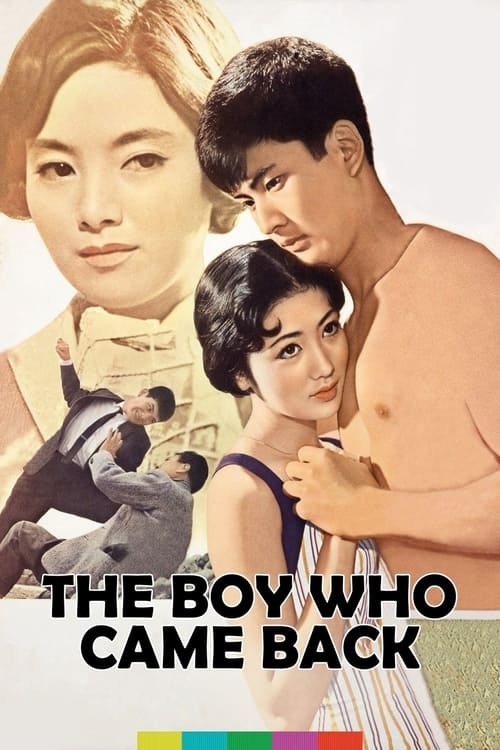
The Boy Who Came Back
1958
No user ratings available yet
Representation score: 3.2 out of 10
Representation Score
Fair
1961
Director
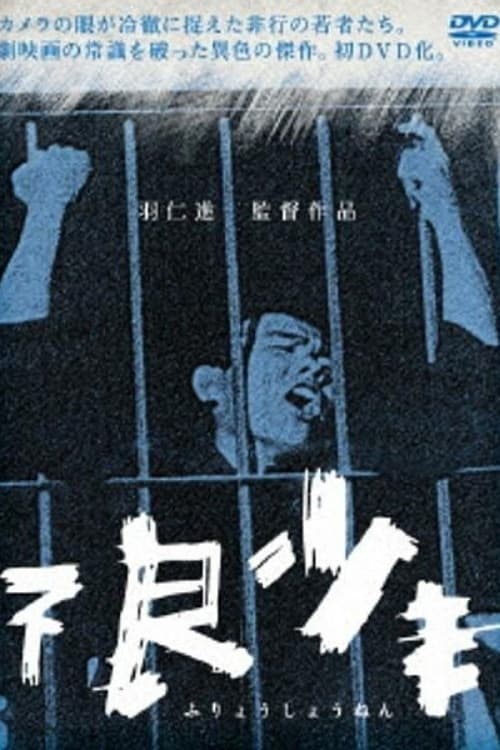
Susumu Hani
Runtime
89 minutes
Average Rating
No ratings yetNew Showbiz Analysis
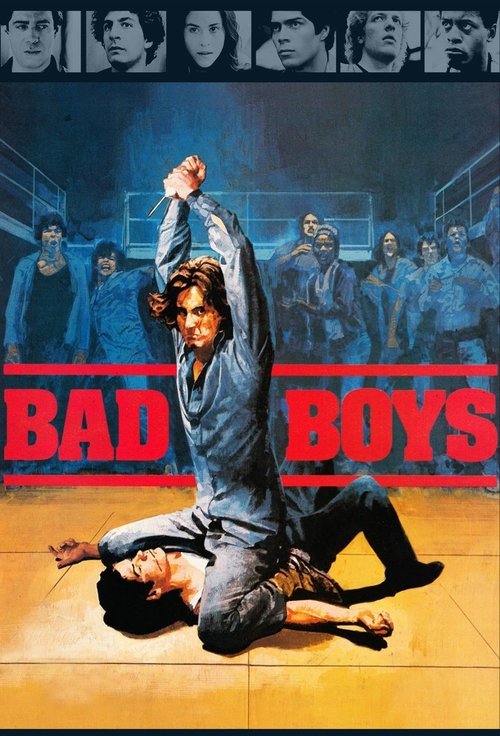
Susumu Hani’s *Bad Boys* is a key work of the Japanese New Wave that emphasizes observational realism over moralistic storytelling. Although the film does not offer broad demographic representation, it excels in its cultural critique of institutional stability. The narrative focuses on the erosion of traditional authority and the aimless wandering of youth, providing a nuanced look at social alienation. Despite its lack of diverse identities, the film offers a sophisticated examination of male adolescent social dynamics within a specific historical context.
Category Breakdown
The film centers on the friendship between male adolescents and does not include any queer characters or non-binary identities in the main storyline.
The story is dominated by male characters and their interactions, lacking substantial roles for women that would allow for deeper exploration of gender issues.
Set in post-war Tokyo, the film features a predominantly Japanese cast reflecting its specific cultural context without blending in diverse racial backgrounds.
The film effectively challenges traditional social bonds and the idealized image of the post-war family. It portrays delinquency as a symptom of modern societal alienation.
The film does not prominently feature characters with physical, sensory, or neurodevelopmental disabilities. Characters are primarily defined by their socioeconomic and behavioral traits.
Present on Screen
Limited or Absent
Official Synopsis
A young delinquent takes part in a robbery and is sentenced to a juvenile detention center, where he clashes with other youths and reflects on his life experiences.
1958
1938

1957
1950

1966
1996
1961
1983
No reviews yet. Be the first to share your thoughts on this movie!
Use the rating form above to leave a star rating and optional review.