The Non-Stop Kid
1918
No user ratings available yet
Representation score: 0.4 out of 10
Representation Score
Fair
1912
Director
Alice Guy-Blaché
Runtime
16 minutes
Average Rating
No ratings yetNew Showbiz Analysis
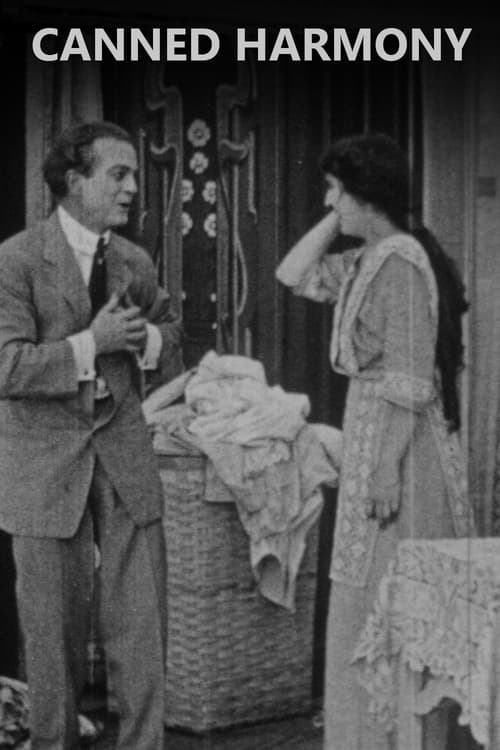
Canned Harmony is a product of its 1912 setting, lacking modern multi-layered diversity. However, it benefits from the pioneering work of Alice Guy-Blaché, a female director who worked outside traditional male-dominated studio structures. The narrative subtly criticizes authority by using comedic deception to bypass strict social hierarchies. While the cast appears conventional and lacks visible racial diversity, the story prioritizes individual ability to act over rigid institutional norms. Ultimately, the film's progressive intent lies in its focus on technological innovation and the subversion of paternalistic control, even within a traditional romantic framework.
Category Breakdown
The film focuses on a traditional romance between Billy and the Professor's daughter. There are no explicit depictions of LGBTQ+ identities or non-straight relationships.
The plot challenges male authority by having characters bypass the Professor's strict social rules. Although the daughter's role revolves around marriage, the narrative emphasizes the ability to act of the suitors.
The story seems to center on a localized, conventional social circle. There is no indication of a diverse or non-Anglo-Saxon majority cast.
The comedy pokes fun at rigid social institutions and class barriers. It uses technological disruption, such as a phonograph, to challenge traditional musical standards and paternalistic social demands.
The film does not provide any information about characters with physical, sensory, or neurodivergent disabilities.
Present on Screen
Limited or Absent
Official Synopsis
The Professor will not allow his daughter to marry a non-musician, but Billy, her would-be suitor, cannot play a single note. When he is about to give up, Billy’s roommate suggests bluffing his way into the Professor’s favor with the aid of a suitably musical disguise and a well-hidden phonograph player.
1918

1926
1918
1916
1917
1914
1915
1902
No reviews yet. Be the first to share your thoughts on this movie!
Use the rating form above to leave a star rating and optional review.