
The Property Man
1914
No user ratings available yet
Diversity score: 2.7 out of 10
1914
NRDirector
Charlie Chaplin
Runtime
12 minutes
Average Rating
No ratings yetSynopsis
Charlie plays an actor who bungles several scenes and is kicked out. He returns convincingly dressed as a lady and charms the director, but Charlie never makes it into the film.
Overall Score
Limited
Category Breakdown
LGBTQ+ Representation
The film centers on gender non-conformity through the protagonist's use of a female persona. While this serves a comedic purpose rather than expressing a queer identity, it utilizes the blurring of gendered presentation.
Gender Representation
A male character disrupts professional hierarchies by successfully performing femininity to charm authority. However, agency remains with the male protagonist rather than empowering female characters within the narrative.
Racial & Ethnic Diversity
The cast appears homogeneous, reflecting the era's typical production. There is no documented evidence of racial or ethnic diversity within the ensemble or the setting.
Religious & Cultural Diversity
The story depicts a disruption of professional order through individual mischief. It focuses on personal comedic agency rather than offering a systemic critique of Western institutions or capitalism.
Disability Representation
There are no documented instances of physical or neurodivergent representation in this short film.
Strengths
Areas for Improvement
AI Analysis
The film explores the fluidity of identity through the lens of early silent comedy. Chaplin uses cross-dressing as a narrative tool to navigate social and professional hierarchies, providing an early look at performative identity. While the protagonist's ability to subvert gendered expectations is notable, the film lacks intersectional depth. The humor relies on visual gags and costume rather than a structural critique of social norms. Ultimately, the work functions as a study of individual agency. The character's success is driven by personal deception and slapstick, leaving broader systemic or diverse social issues unaddressed.
1914

1915

1914

1915
1914
1914

1915
1914
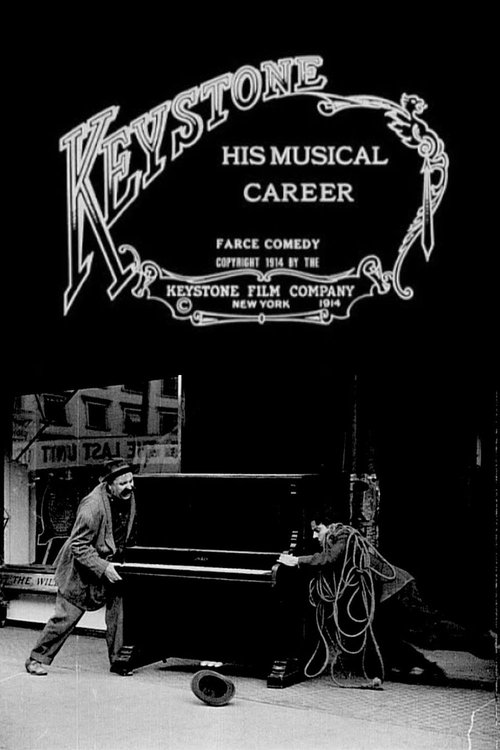
1914
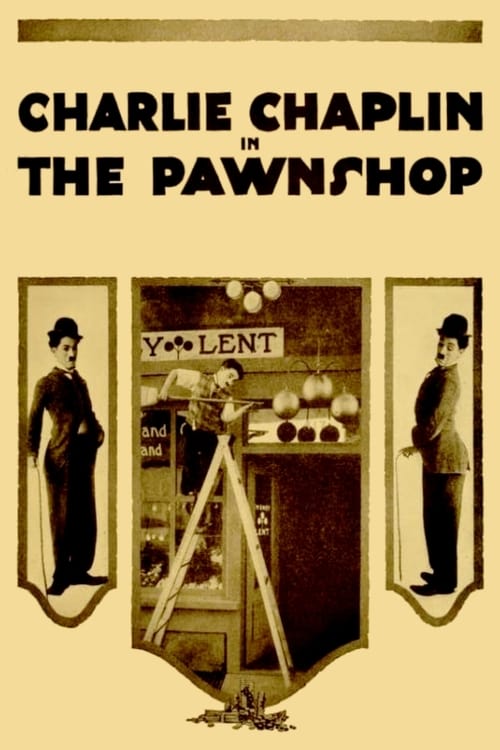
1916
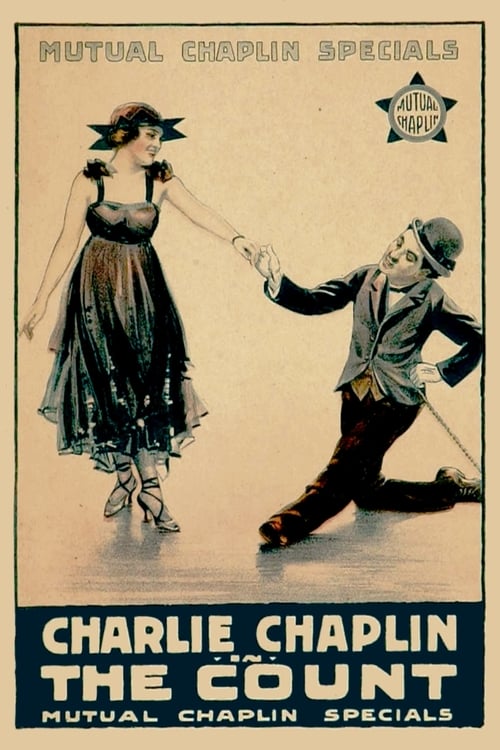
1916

1916
No reviews yet. Be the first to share your thoughts on this movie!
Use the rating form above to leave a star rating and optional review.