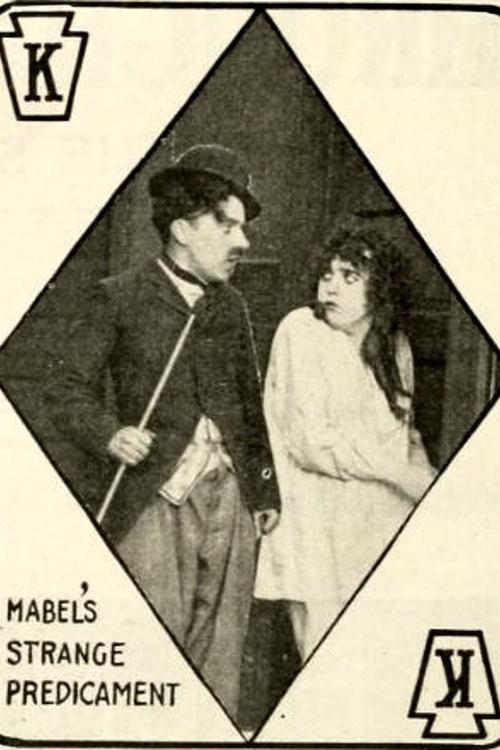
Mabel's Strange Predicament
1914
No user ratings available yet
Diversity score: 3.0 out of 10
1914
Director
Mabel Normand
Runtime
16 minutes
Average Rating
No ratings yetSynopsis
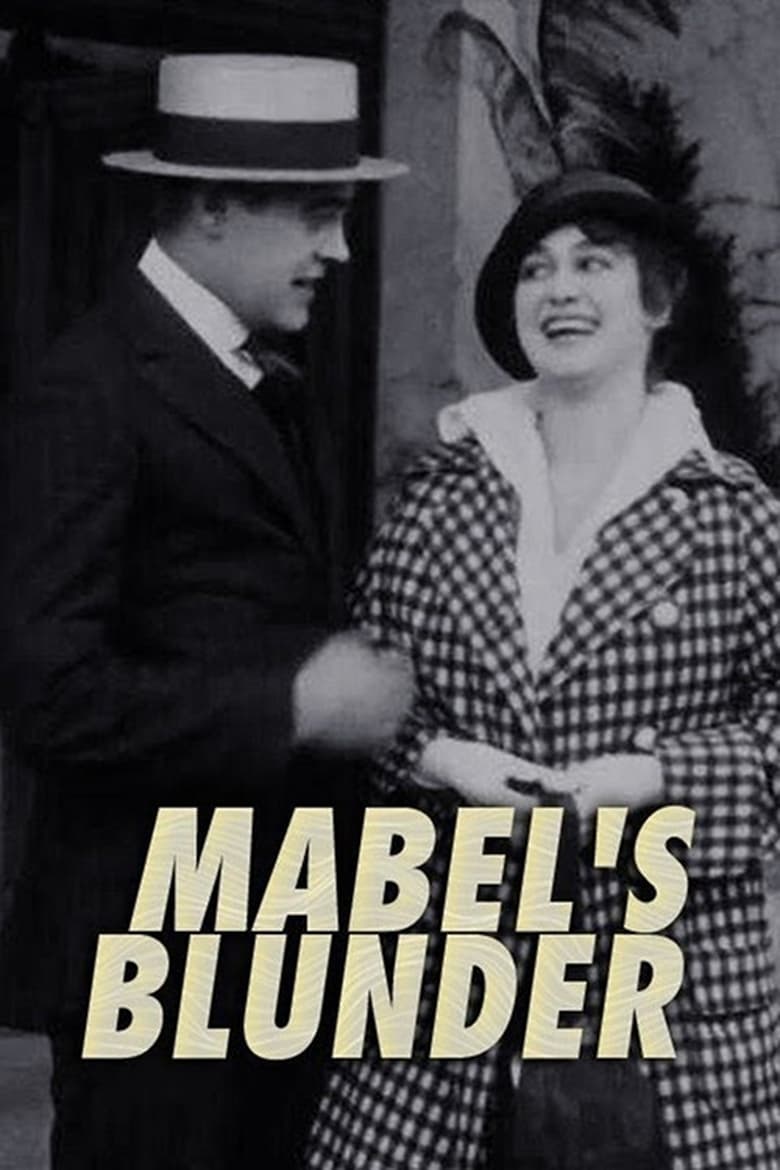
Mabel is pursued by her boss, despite being engaged to his son, in this gender-bending comedy of errors and mistaken identities.
Overall Score
Fair
Category Breakdown
LGBTQ+ Representation
The film functions as a gender-bending comedy of errors. This focus on identity fluidity suggests a narrative interest in subverting traditional gender binaries.
Gender Representation
Mabel centers the narrative by evading a male authority figure's unwanted advances. This shift in agency disrupts patriarchal dominance and conventional masculine leadership.
Racial & Ethnic Diversity
The film appears to reflect the homogeneous demographic norms of the 1914 industry. There is no evidence of a non-white or non-Anglo-Saxon majority cast.
Religious & Cultural Diversity
The story critiques traditional power structures and workplace hierarchies. It frames the pursuit of the protagonist as a disruption of social order rather than a romantic ideal.
Disability Representation
No specific details regarding characters with visible or invisible disabilities are present in the film's description.
Strengths
Areas for Improvement
AI Analysis
Mabel's Blunder stands as a notable example of early female creative agency. Directed by Mabel Normand, the film uses slapstick and gender-bending tropes to challenge the rigid social hierarchies of the early 20th century. The work excels at subverting gendered power dynamics, particularly through the protagonist's resistance to patriarchal authority. However, the film remains limited by the era's demographic homogeneity, offering little in the way of racial or ethnic diversity. Ultimately, the film's strength lies in its comedic disruption of institutional norms, even while it operates within the narrow casting constraints of its time.
1914
1914
1918
1916
1912
1914

1915
1913
1913
1914
1915
1914
No reviews yet. Be the first to share your thoughts on this movie!
Use the rating form above to leave a star rating and optional review.