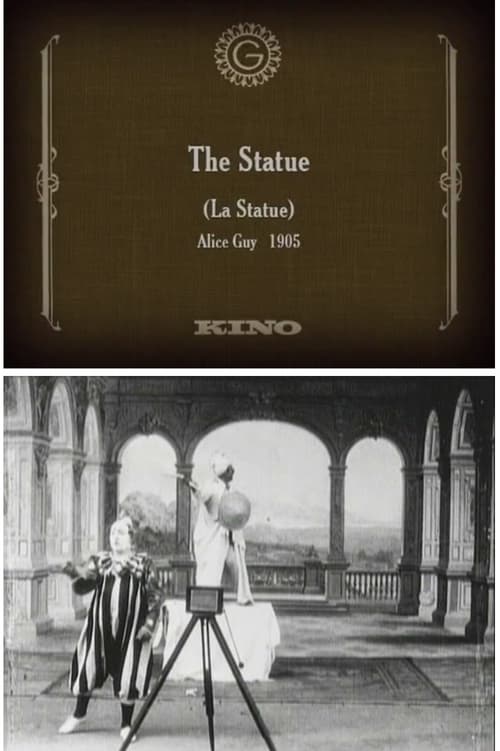
The Statue
1905
No user ratings available yet
Representation score: 0.2 out of 10
Representation Score
Fair
1907
Director
Louis Feuillade
Runtime
4 minutes
Average Rating
No ratings yetNew Showbiz Analysis
The film's diversity profile is defined by the historical significance of its director, Alice Guy-Blaché. As a female pioneer of narrative filmmaking, her presence inherently challenges the male-dominated landscape of 1907 cinema. However, the narrative content itself offers little in the way of multi-layered complexity. The lack of documented information regarding race, disability, or LGBTQ+ identities reflects the limitations of early silent era records and the era's social norms. Ultimately, the work stands as a landmark of female authorship, even if the specific character dynamics remain largely homogeneous and undocumented.
Category Breakdown
The film does not provide explicit evidence of queer identities or non-straight relationships. The score reflects the social constraints of 1907 and a lack of documented character identities.
Alice Guy-Blaché’s role as director significantly disrupts patriarchal control in early cinema. Her authorship serves as a structural challenge to gendered industry hierarchies.
There is no verifiable evidence of a diverse or non-white cast. The score reflects the likely homogeneity common in early French silent film productions.
The premise suggests a focus on situational comedy and social decorum. Without evidence of anti-institutional themes, the score remains in the mid-range.
There is no documented evidence regarding the portrayal of physical or neurodivergent characters in this work.
Present on Screen
Limited or Absent
Official Synopsis
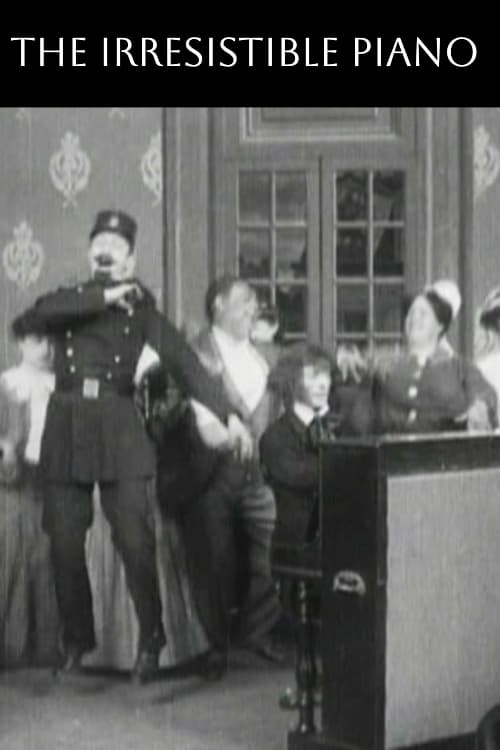
A piano entices anyone who comes near.
1905

1907
1898
1897
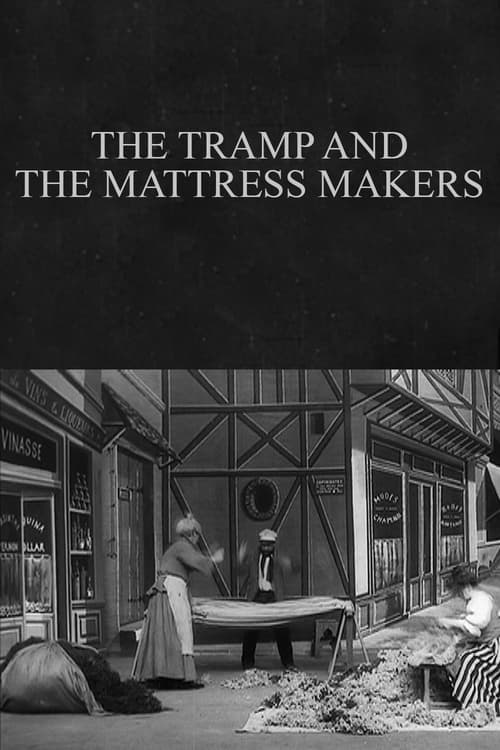
1906
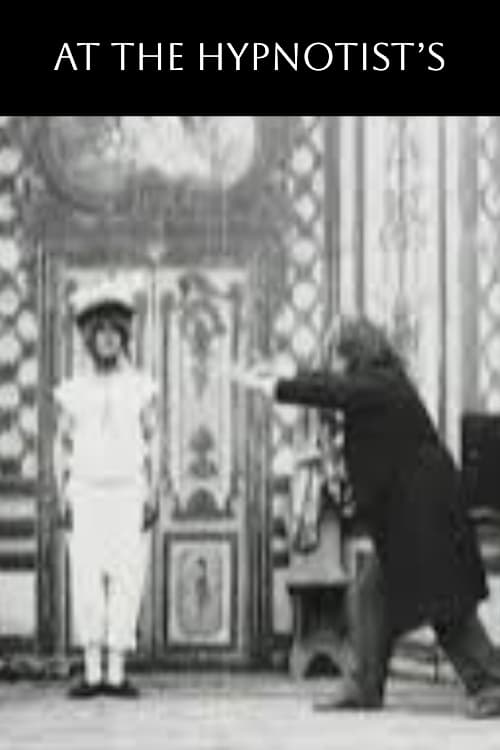
1898
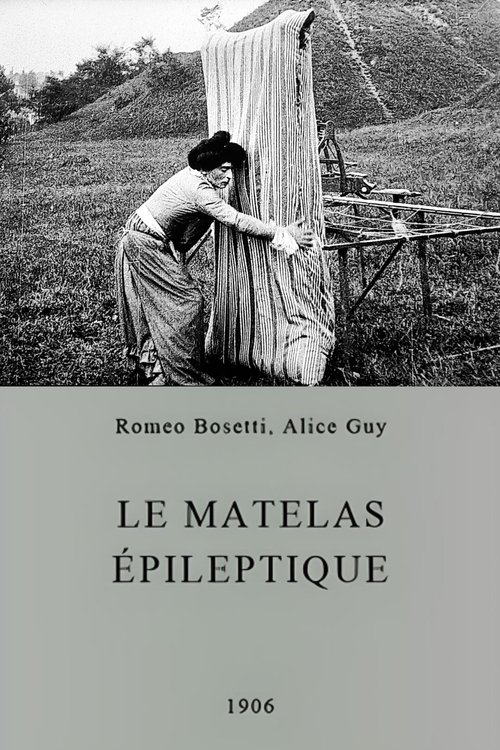
1906
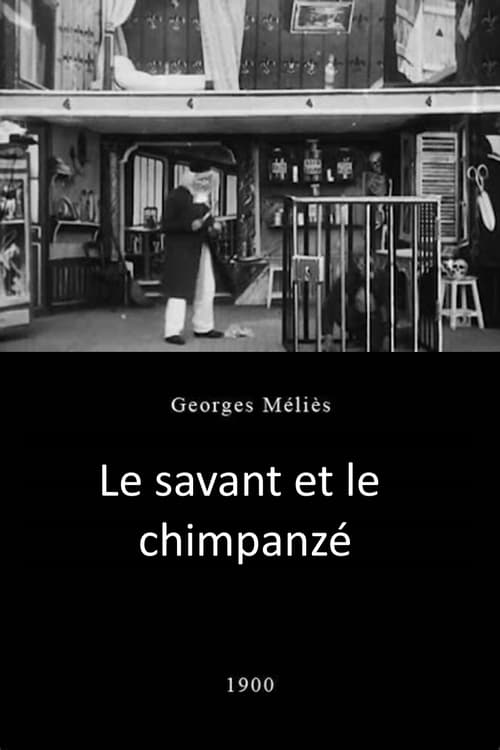
1900
No reviews yet. Be the first to share your thoughts on this movie!
Use the rating form above to leave a star rating and optional review.