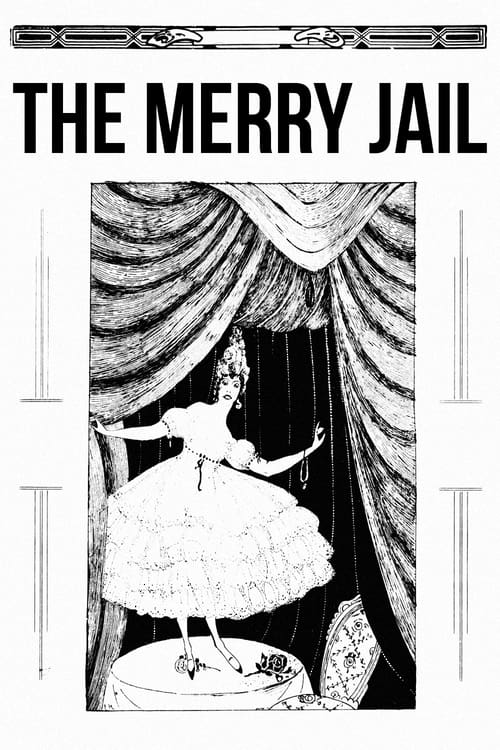
The Merry Jail
1917
No user ratings available yet
Representation score: 1.8 out of 10

Representation Score
Fair
1916
Director
Ernst Lubitsch
Runtime
38 minutes
Average Rating
No ratings yetNew Showbiz Analysis
Where Is My Treasure? provides a sophisticated critique of traditional family structures through humor. However, the film is limited by its production era, lacking contemporary markers of diversity, especially in terms of racial and LGBTQ+ representation. The film's strength lies in its early cinematic approach to challenging social norms through irony and character-driven narratives, despite its narrow demographic focus.
Category Breakdown
The film does not include any explicit references to LGBTQ+ identities or same-sex relationships. The plot revolves around a marriage conflict.
The film challenges traditional gender roles by showing the male lead as a victim of his wife and mother-in-law. This portrayal deconstructs the stereotype of the unassailable patriarch through humorous means.
There is no indication of a racially diverse cast. The film seems to reflect the homogeneous European population typical of early silent films.
The story critiques traditional institutions by presenting the family unit as restrictive. The protagonist's use of deception implies a view of domestic structures as oppressive and needing to be escaped.
There are no visible or invisible disabilities that affect the narrative.
Present on Screen
Limited or Absent
Official Synopsis
Because Ernst feels oppressed by his wife and her mother, he fakes his suicide and hires in his own household disguised as a servant.
1917

1926
1918

1936
1929

1916

1914

1932
No reviews yet. Be the first to share your thoughts on this movie!
Use the rating form above to leave a star rating and optional review.