Canned Harmony
1912
No user ratings available yet
Diversity score: 4.4 out of 10
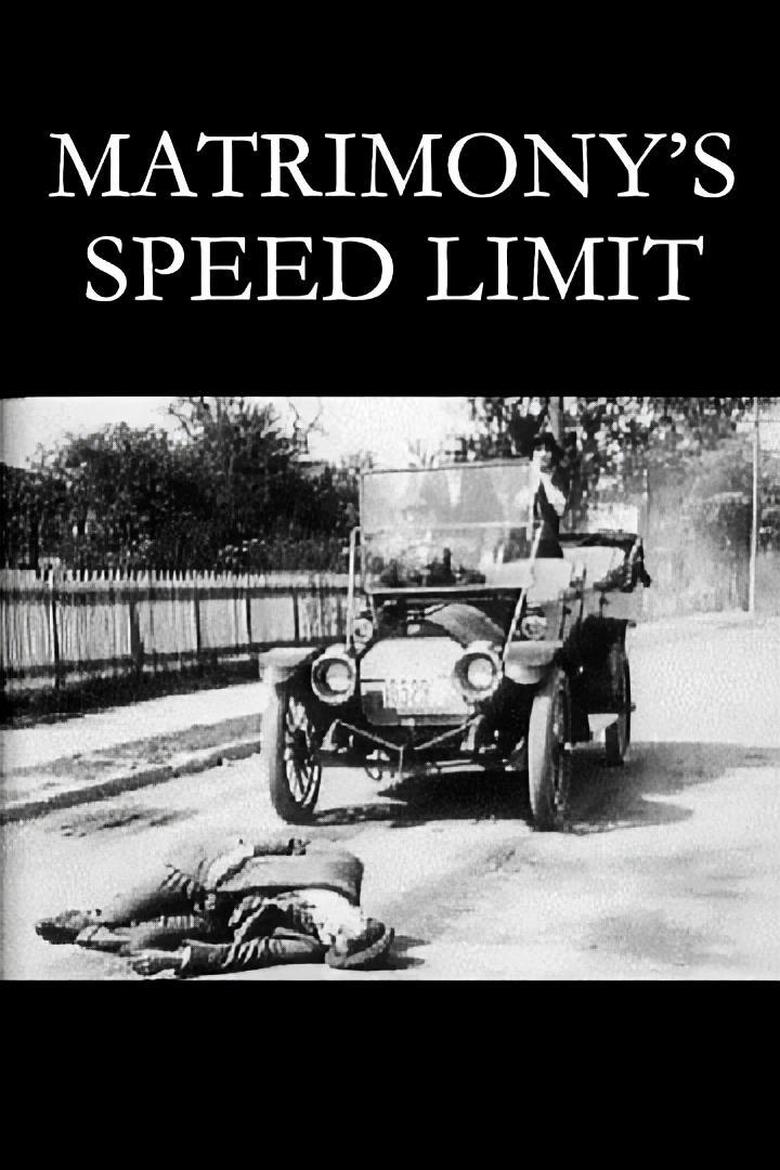
1913
UnratedDirector
Alice Guy-Blaché
Runtime
14 minutes
Average Rating
No ratings yetSynopsis
A man must marry by noon or lose his inheritance. It's 11:50 a.m. and he can't find his fiancée.
Overall Score
Limited
Category Breakdown
LGBTQ+ Representation
The film focuses on a traditional heterosexual marriage plot. There is no evidence of queer identities or non-cisnormative agency within the narrative.
Gender Representation
The plot centers on a man's inheritance, reflecting patriarchal structures. However, the missing fiancée trope may allow female characters to disrupt the male protagonist's plans.
Racial & Ethnic Diversity
The film appears to feature a homogeneous Western cast. There is no evidence of non-Anglo-Saxon representation in the available synopsis.
Religious & Cultural Diversity
The story engages with Western institutions like marriage and inheritance laws. It focuses on these social rules rather than offering a critique of them.
Disability Representation
The synopsis provides no information regarding characters with visible or invisible disabilities.
Strengths
Areas for Improvement
AI Analysis
Matrimony's Speed Limit is a product of its era, centering on conventional social hierarchies and the legalities of marriage. The narrative follows a man racing against a deadline to secure his inheritance, a premise rooted in traditional patriarchal ownership. While the film lacks visible queer or racial diversity, the presence of Alice Guy-Blaché as director adds a layer of historical significance. Her role as a female pioneer suggests the film may subtly subvert gender tropes through comedic disruption, even if the core plot remains traditional. Ultimately, the film functions as a standard silent comedy that reinforces the institutional values of 1913 rather than challenging them.
1912
1900
1905
1952
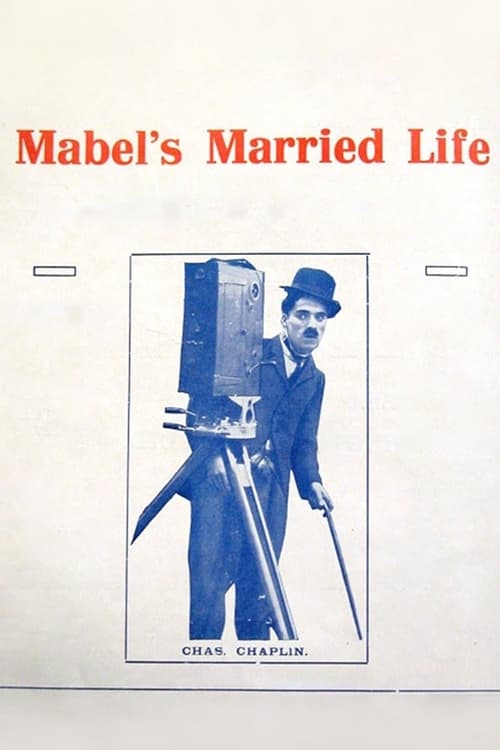
1914
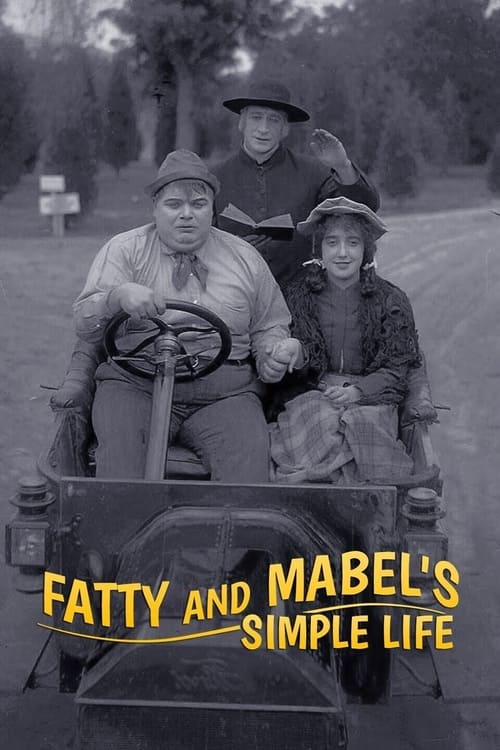
1915
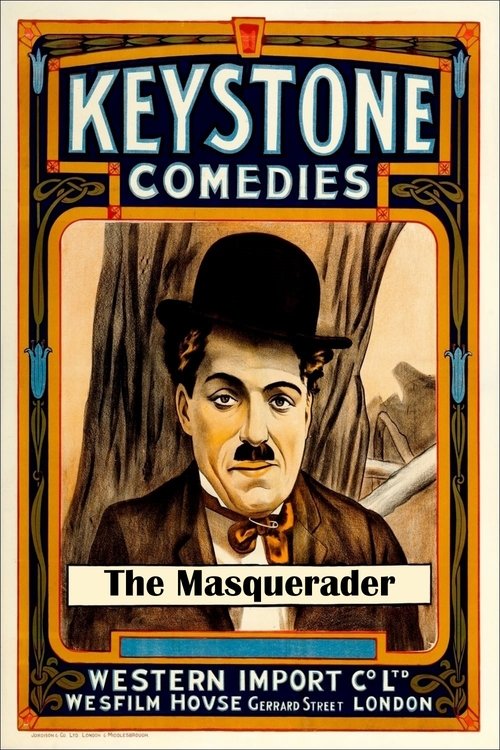
1914
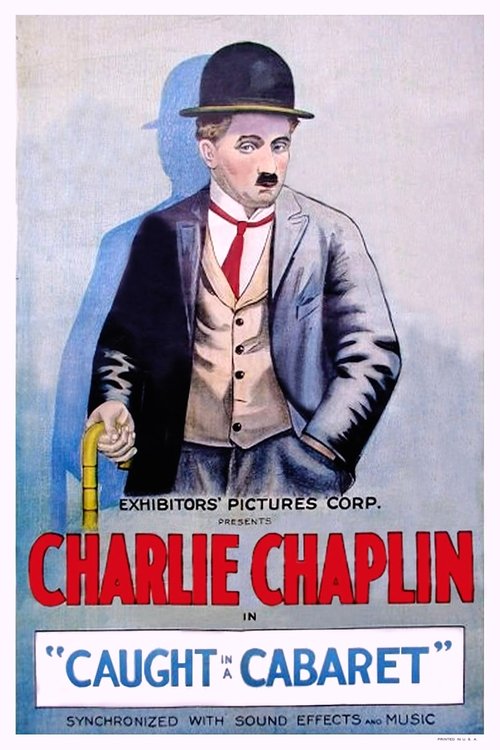
1914

1914
1920

1914
1926
No reviews yet. Be the first to share your thoughts on this movie!
Use the rating form above to leave a star rating and optional review.