Dates and Nuts
1937
No user ratings available yet
Representation score: 1.4 out of 10
Representation Score
Limited
1935
Director
Richard Pottier
Runtime
115 minutes
Average Rating
No ratings yetNew Showbiz Analysis
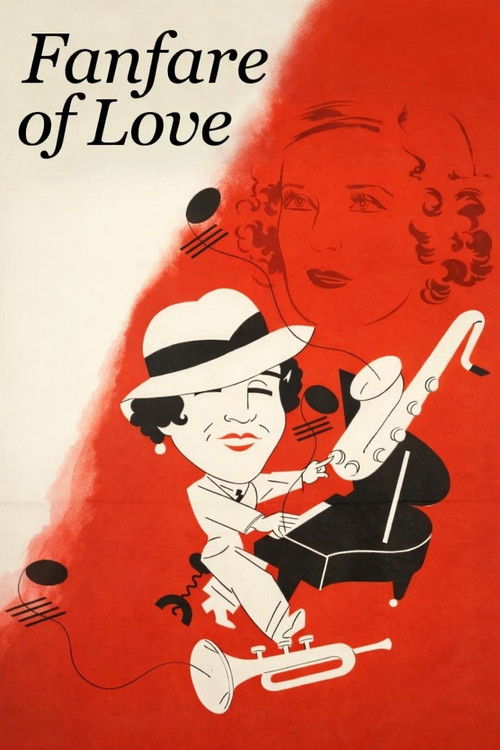
Fanfare of Love is a product of its 1935 era, prioritizing lighthearted musical comedy over social critique. Its primary strength lies in its subversion of traditional gender roles through the professional ability to act of its female ensemble and the comedic use of drag. However, the film lacks multi-layered depth. Drag is used primarily for comedic effect, and the racial landscape remains homogeneous, reflecting the constraints of the period. Ultimately, while the film challenges some traditional norms, it remains a work of escapism that adheres to the social norms of its time.
Category Breakdown
The film uses drag as a central comedic device, with two men adopting female personas to join an orchestra. While this challenges traditional norms, it serves primarily as situational humor rather than exploring LGBTQ+ identity.
Women hold positions of professional power within the 'Tulips from Holland' ensemble. This setup defies traditional stereotypes by making the female musicians the gatekeepers of employment.
The film focuses on a homogeneous European social setting with no significant racial or ethnic diversity.
The story operates within the social norms of the 1930s, emphasizing romantic and professional escapism without critiquing Western institutions or religious structures.
There are no visible or implied representations of characters with disabilities in the film.
Present on Screen
Limited or Absent
Official Synopsis
Two unemployed musicians dress up as women to be hired by an all-female orchestra called "Tulips from Holland"; they fall in love with two gorgeous musicians.
1937
1940
1945
1926
1935
1948
1935

1937
No reviews yet. Be the first to share your thoughts on this movie!
Use the rating form above to leave a star rating and optional review.