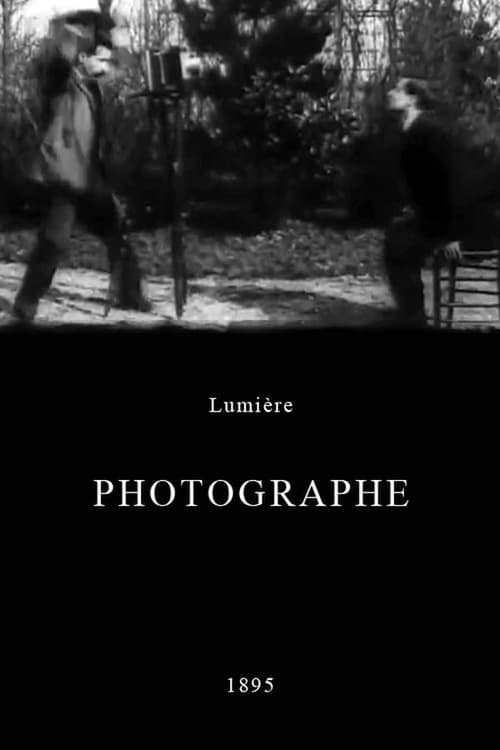
Photograph
1895
No user ratings available yet
Representation score: 0.1 out of 10
Representation Score
Minimal
1900
Not RatedDirector
Alice Guy-Blaché
Runtime
1 minutes
Average Rating
No ratings yetNew Showbiz Analysis
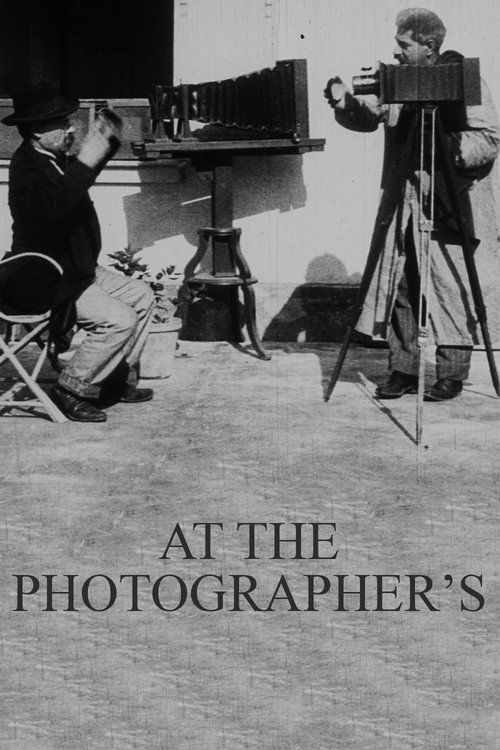
At the Photographer's is a foundational comedic sketch that embodies the rigid social and cinematic norms of the early 1900s. While Alice Guy-Blaché's role as a female pioneer is historically important, the film's content remains firmly anchored in the traditional hierarchies of the era. The work lacks complexity in terms of diverse representation, presenting a homogeneous cast and a narrative driven by the male gaze. The interactions between the photographer and his subject reinforce existing gender roles without challenging them. Ultimately, the film serves as an observational comedy that steers clear of any critique of the social or cultural order of its time.
Category Breakdown
The film does not depict any non-binary or LGBTQ+ identities and focuses solely on heterosexual relationships typical of the early 1900s.
The story is centered around the male perspective, with the photographer's professional role being overshadowed by his fixation on the female subject. The woman remains a passive observer rather than an active participant.
The cast appears to be uniform, reflecting the demographics of early 1900s France. There is no representation of racial diversity or non-white characters.
The film presents a typical workplace scenario without critiquing Western institutions or religious structures. It functions as a straightforward observational comedy without deeper social commentary.
There are no visible or hidden disabilities shown in the narrative. Characters operate within the normal physical and cognitive standards of the time.
Present on Screen
Limited or Absent
Official Synopsis
A client has trouble listening to the photographer's instructions.
1895

1911
1908
1897
1907

1904
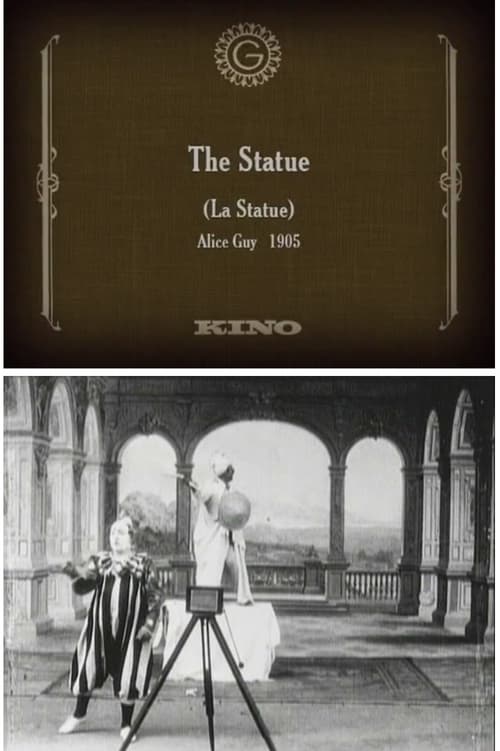
1905

1909
No reviews yet. Be the first to share your thoughts on this movie!
Use the rating form above to leave a star rating and optional review.