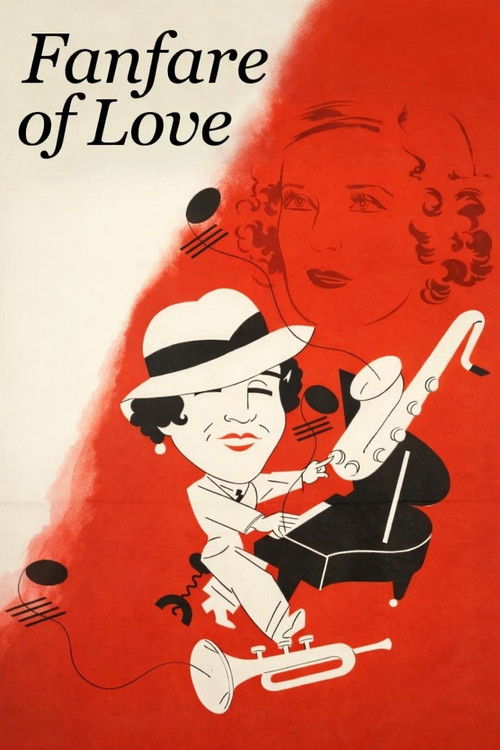
Fanfare of Love
1935
No user ratings available yet
Representation score: 3.3 out of 10

Representation Score
Limited
1945
Director
Hasse Ekman
Runtime
86 minutes
Average Rating
No ratings yetNew Showbiz Analysis
Hasse Ekman’s comedy offers a nuanced look at the performative nature of gender through its central premise. By focusing on a man adopting a female identity for work, the film disrupts traditional professional boundaries and social roles. However, the film remains a product of its era, lacking multi-layered depth or demographic variety. The focus is narrow, primarily addressing gendered expectations through a comedic lens rather than broader social or racial themes. Ultimately, the film provides a foundational layer of narrative subversion regarding gender, even while remaining within the demographic constraints of mid-century Swedish cinema.
Category Breakdown
The film does not explicitly depict LGBTQ+ identities or same-sex intimacy. It includes a man pretending to be a woman for comedic purposes, which does not delve into queer identity.
The story subverts gendered professional expectations by having a man adopt a female persona. This highlights the performative nature of gender and the complexities of navigating female identity.
The cast reflects the demographic homogeneity typical of 1945 Sweden. There is no indication of racial blending or non-Anglo-Saxon majority casting within the film.
The story explores economic desperation and social instability within established structures. It uses a disguise cliché to navigate social hierarchies without offering a formal critique of Western values.
There are no visible or invisible disabilities central to the character arcs or the plot progression.
Present on Screen
Limited or Absent
Official Synopsis
An out-of-work musician is desperate for work and when his best friend sees an add requesting a cellist he signs him up. However, the work is for a female, so he creates the character Märta Letterström and joins the trio at a small-town hotel. But being a woman is not as easy as you think.
1935
1956
1948
1937
1973
1959

1973

2012
No reviews yet. Be the first to share your thoughts on this movie!
Use the rating form above to leave a star rating and optional review.