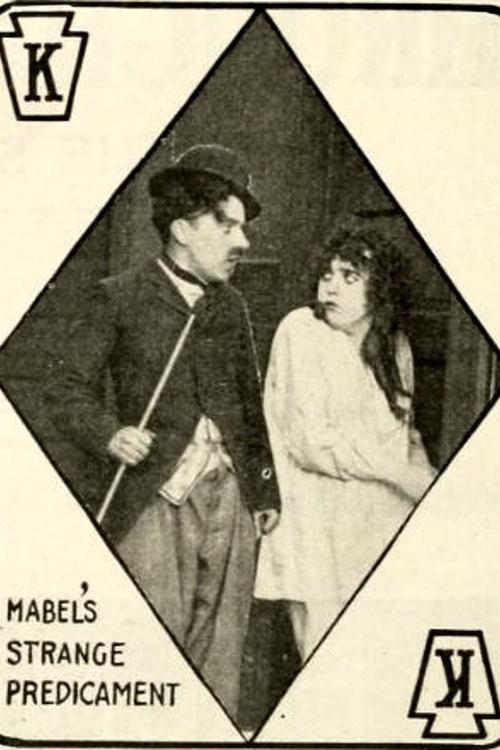
Mabel's Strange Predicament
1914
No user ratings available yet
Representation score: 3.3 out of 10
Representation Score
Limited
1914
NRDirector
Mabel Normand
Runtime
23 minutes
Average Rating
No ratings yetNew Showbiz Analysis
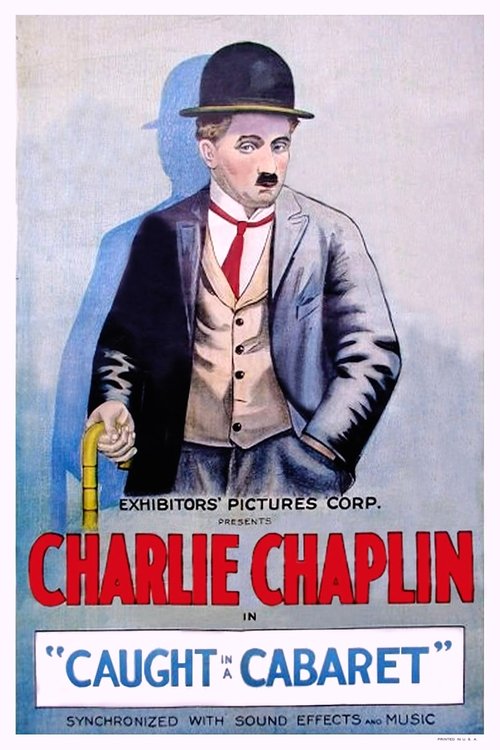
Caught in a Cabaret is a product of its era, characterized by the traditional social and romantic archetypes of the 1910s. While the narrative adheres to standard clichés, Mabel Normand's role as a director and writer stands out as a significant moment of female creative ability to act in early cinema. The film's diversity is limited by the historical constraints of silent comedy, focusing on situational humor rather than social subversion or diverse representation.
Category Breakdown
The film follows traditional romantic structures and does not include any non-straight-centered identities or relationship dynamics.
Mabel Normand’s role as a director provides significant creative influence. While the plot relies on traditional romantic clichés, she serves as a vital narrative catalyst.
The story reflects the homogeneous social structures of 1914. There is no indication of a non-white majority cast or intentional racial blending.
The comedy focuses on class-based settings like a cheap cabaret. However, the film functions as situational humor rather than a critique of systemic power or institutions.
There is no information available regarding the portrayal of physical or neurodivergent disabilities in this work.
Present on Screen
Limited or Absent
Official Synopsis
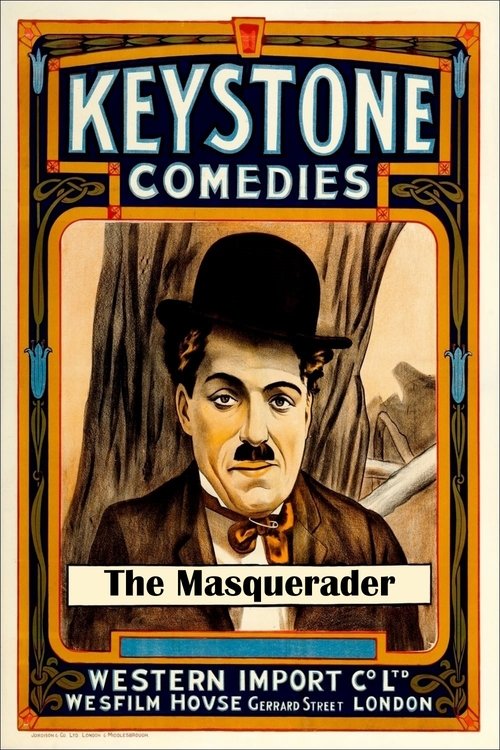
Charlie is a clumsy waiter in a cheap cabaret, suffering the strict orders from his boss. He meets a pretty girl in the park and tries to impress her by pretending to be an ambassador. Unfortunately she has a jealous fiancé.
1914
1926

1915
1917

1914
1914
1914
1914
No reviews yet. Be the first to share your thoughts on this movie!
Use the rating form above to leave a star rating and optional review.