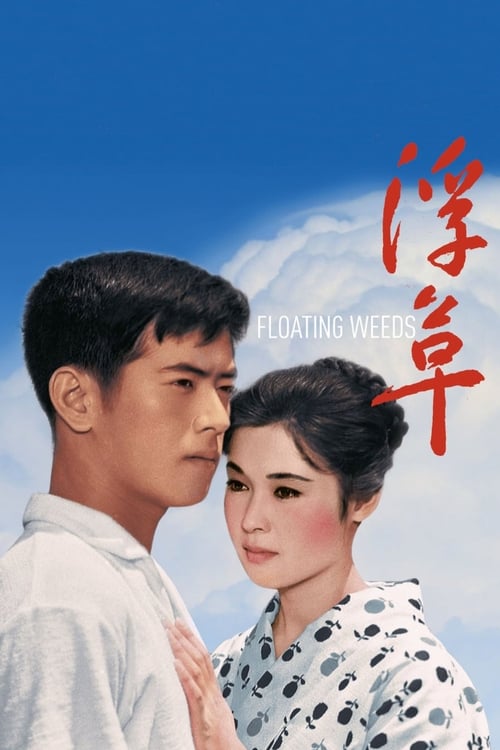
Floating Weeds
1959
No user ratings available yet
Representation score: 3.2 out of 10
Representation Score
Limited
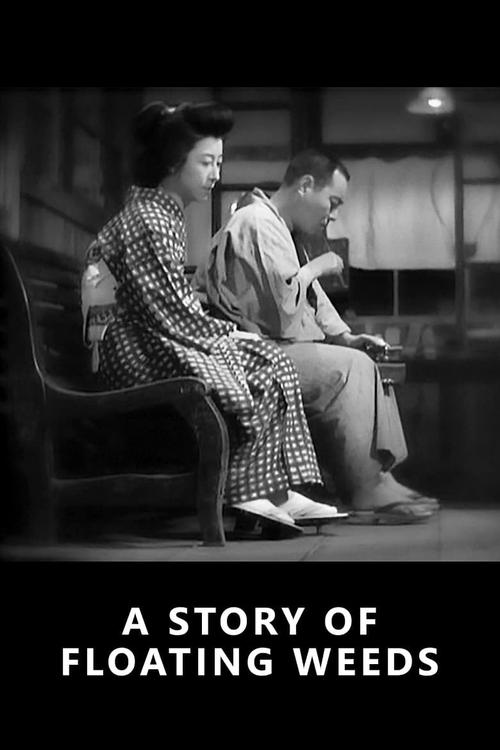
1934
Not RatedDirector
Yasujirō Ozu
Runtime
86 minutes
Average Rating
No ratings yetNew Showbiz Analysis
Ozu’s early work transitions from melodrama to a more contemplative style. The film offers a nuanced look at characters living on the margins of society, particularly through the lens of a traveling theater troupe. While the narrative challenges the idea of a stable domestic life, it remains rooted in the social constraints of 1930s Japan. The focus is on interpersonal bonds and survival within a underrepresented social class. Ultimately, the film lacks modern diversity and overt political messaging, serving as a period-specific exploration of social transience and its personal costs.
Category Breakdown
The film focuses on heterosexual relationships and does not include any same-sex intimacy or gender diversity.
Women play key roles in professional environments such as the geisha and theater industries. They have ability to act but their power is often linked to their relationships with men.
The cast reflects a specific Japanese culture from the 1930s, providing an authentic look into a particular socioeconomic environment without Western casting norms.
The story shows the breakdown of traditional family units through itinerant performers. It explores ethical dilemmas caused by socioeconomic instability without criticizing specific institutions.
There are no visible or invisible disabilities that play a central role in the character arcs or themes of the film.
Present on Screen
Limited or Absent
Official Synopsis
An aging actor returns to a small town with his troupe and reunites with his former lover and illegitimate son, a scenario that enrages his current mistress and results in heartbreak for all.
1959
1961

1950
1951
1951

1952
1957
1961
No reviews yet. Be the first to share your thoughts on this movie!
Use the rating form above to leave a star rating and optional review.