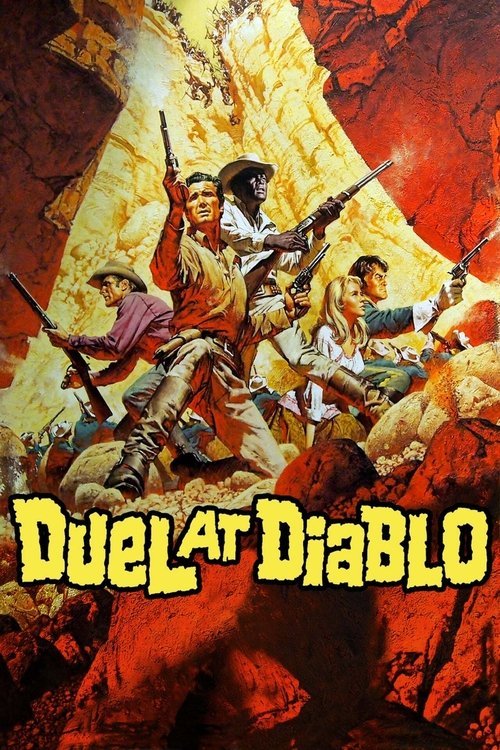
Duel at Diablo
1966
No user ratings available yet
Representation score: 1.0 out of 10

Representation Score
Minimal
1955
NRDirector
Jerry Hopper
Runtime
88 minutes
Average Rating
No ratings yetNew Showbiz Analysis
Smoke Signal is a classic 1950s Western that adheres closely to the social hierarchies and genre conventions of its time. The narrative relies on established archetypes, such as the military patrol and the rugged frontier, to propel the plot forward. The film lacks multi-layered complexity, focusing on Western expansionist perspectives. It functions as a traditional adventure piece where the main conflict arises from the tension between military authority and individualistic desertion. Ultimately, the production maintains a conventional status quo. It reflects the socio-cultural norms of 1955 Hollywood by centering the survival of the Western protagonists while treating underrepresented groups as obstacles or secondary figures.
Category Breakdown
The film does not include any representation of LGBTQ+ identities or subtext. The focus is on traditional male camaraderie and survivalist bonds.
The story is driven by male characters, with female characters playing secondary roles. This reinforces traditional gender hierarchies.
Ute Indians are portrayed mainly as antagonists or environmental obstacles. The narrative lacks nuanced characterization of indigenous populations.
The story upholds traditional frontier morality and Western institutional values. It emphasizes military loyalty and authority without presenting diverse ideological perspectives.
The film does not integrate any disabilities into the character arcs. Disability is not used as a meaningful narrative device.
Present on Screen
Limited or Absent
Official Synopsis
Capt. Harper's cavalry patrol returns to the fort to find it besieged by Ute Indians. The apparent cause is the recapture of Army traitor Brett Halliday, who deserted to the Utes in a previous war; but Brett has a different story. With capture imminent, the only chance for the surviving men (and one woman) is to boat down a wild, uncharted river, where Harper and Halliday must pull together, like it or not.
1966
1960
1958
1954
1957
1970
1956

1971
No reviews yet. Be the first to share your thoughts on this movie!
Use the rating form above to leave a star rating and optional review.