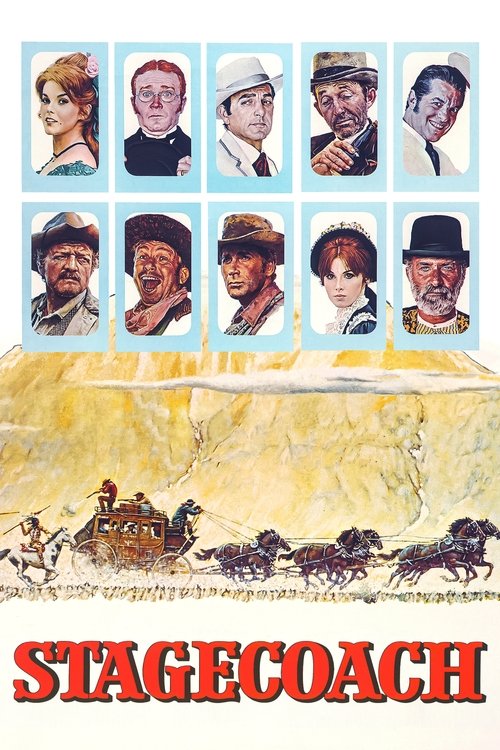
Stagecoach
1966
No user ratings available yet
Diversity score: 3.0 out of 10
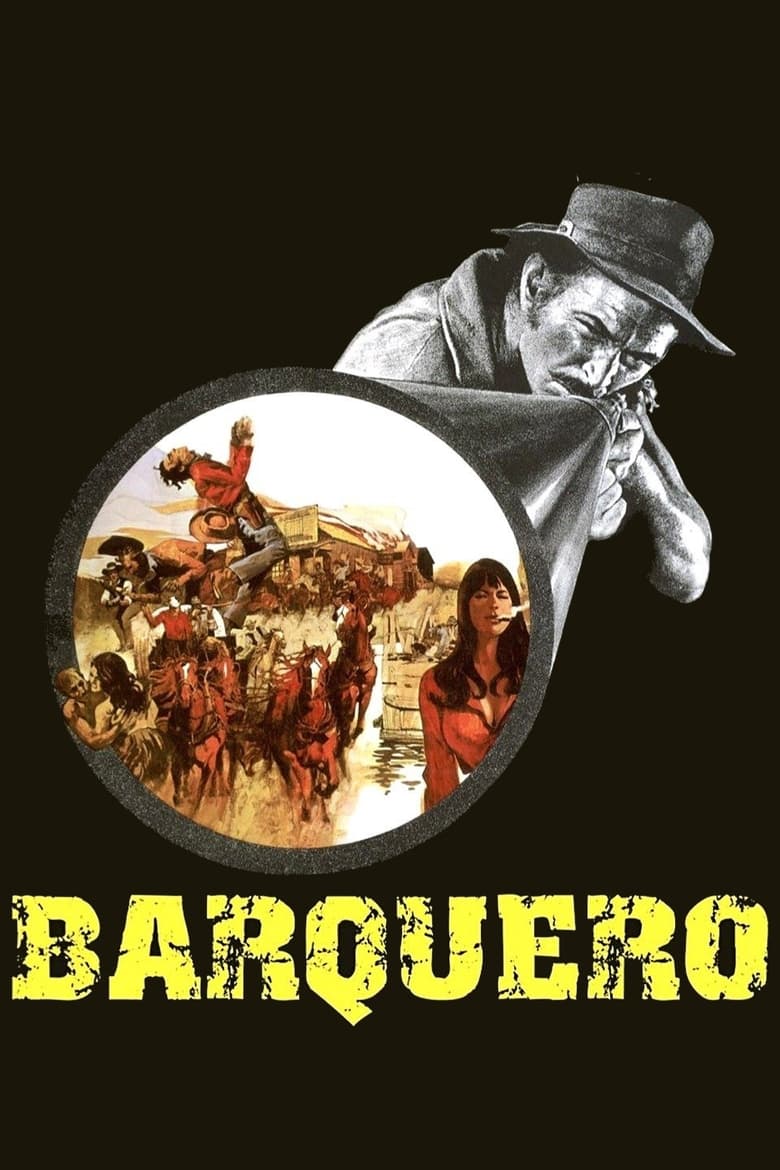
1970
RDirector
Gordon Douglas
Runtime
110 minutes
Average Rating
No ratings yetSynopsis
Jake Remy leads a gang of outlaw cutthroats making their escape toward Mexico from a successful robbery. Barring their way is a river--crossable only by means of a ferry barge. The barge operator, Travis, refuses to be bullied into providing transport for the gang and escapes across river with most of the local populace--leaving Remy and his gang behind, desperately seeking a way across. A river-wide stand-off begins between the gang and the townspeople, both groups of which have left people on the wrong side of the river.
Overall Score
Minimal
Category Breakdown
LGBTQ+ Representation
The film lacks any discernible presence of queer narratives or non-cisnormative identities. The social landscape remains strictly heteronormative throughout.
Gender Representation
Male-centric conflict drives the narrative, focusing on outlaws and their evasion. Female characters occupy peripheral roles, serving primarily as background elements to the male-driven plot.
Racial & Ethnic Diversity
The cast is predominantly white, adhering to the cinematic standards of the era. Native American characters appear but align with standard historical tropes rather than offering nuanced representation.
Religious & Cultural Diversity
The story operates within a traditional Western moral framework. It prioritizes social order and justice without offering significant anti-institutional or systemic critiques.
Disability Representation
There is no visible or meaningful representation of physical or neurodivergent disabilities within the primary character arcs.
Strengths
Areas for Improvement
AI Analysis
Barquero is a traditionalist Western that adheres strictly to mid-century genre tropes. The film focuses on the friction between criminal opportunism and social order, reinforcing established hierarchies rather than deconstructing them. The narrative is heavily male-dominated, centering on the pursuit of outlaws. This focus leaves little room for diverse perspectives or complex character agency outside of the central male conflict. Ultimately, the film reflects the Anglo-centric and heteronormative visual landscape typical of 1970s Westerns, lacking intersectional complexity or intentional efforts to disrupt historical stereotypes.
1966
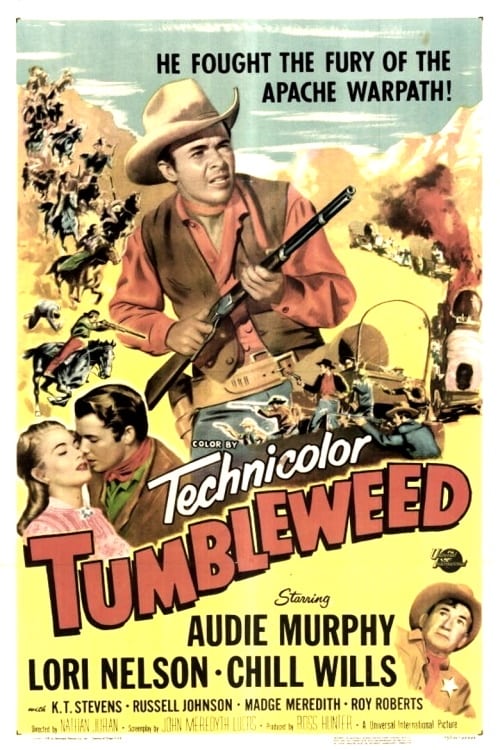
1953
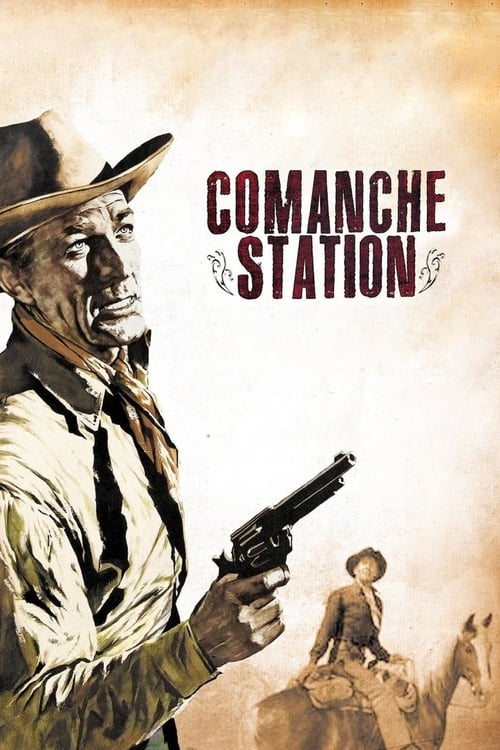
1960
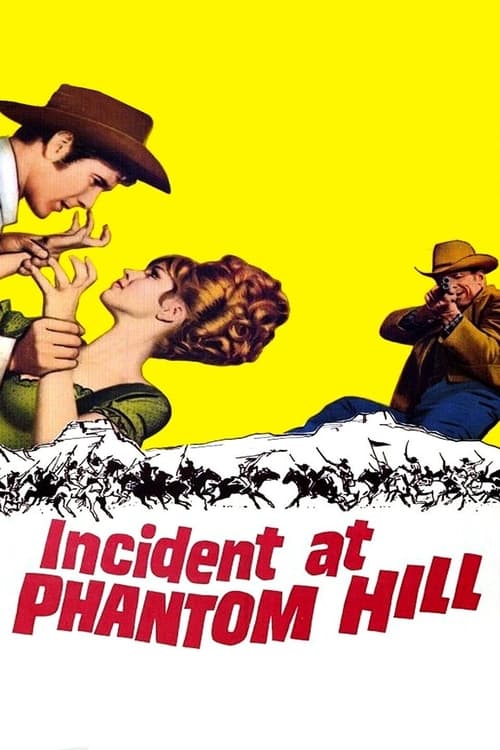
1966
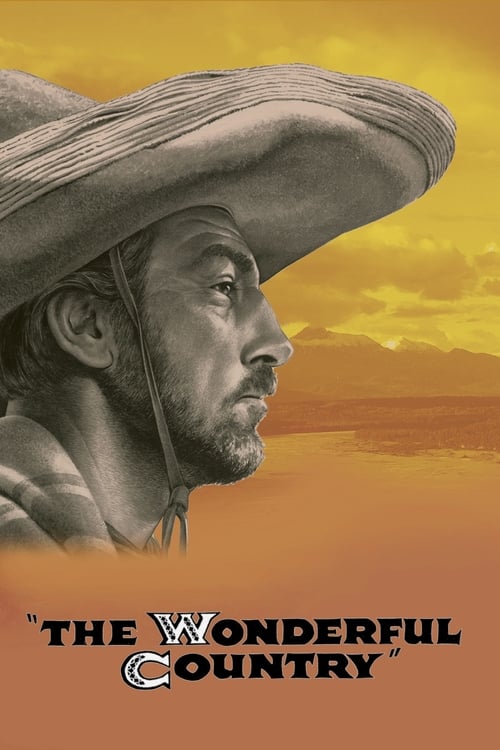
1959

1949
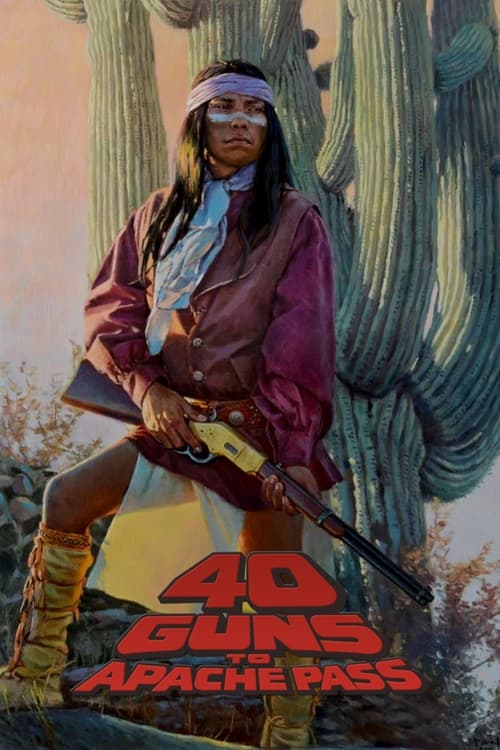
1967
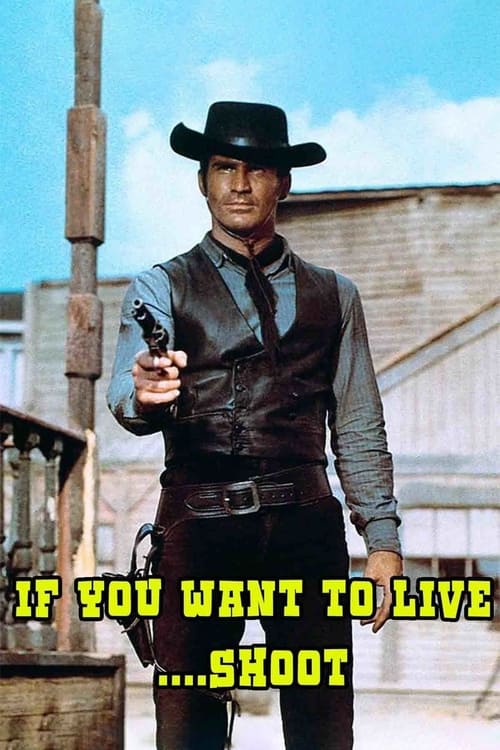
1968

1955

1951

1957
1966
No reviews yet. Be the first to share your thoughts on this movie!
Use the rating form above to leave a star rating and optional review.