Dakota Incident
1956
No user ratings available yet
Representation score: 1.3 out of 10
Representation Score
Minimal
1953
ApprovedDirector
Jerry Hopper
Runtime
101 minutes
Average Rating
No ratings yetNew Showbiz Analysis
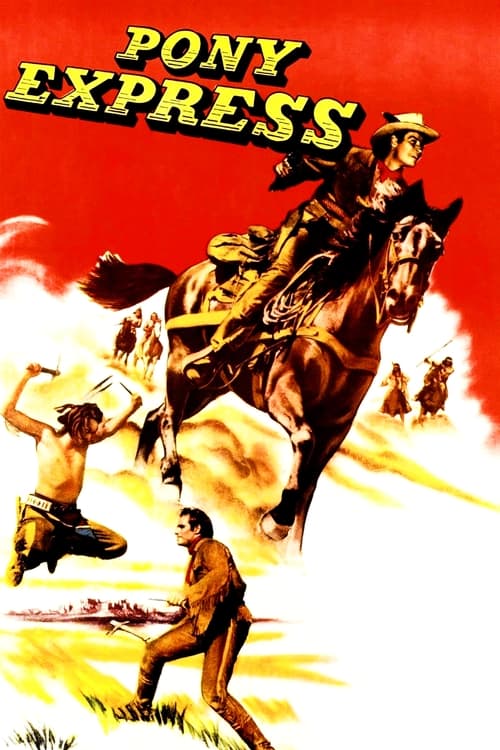
Pony Express is a quintessential mid-century Western that prioritizes institutional expansion over social diversity. The narrative reinforces traditional power dynamics, focusing on the logistical mission of establishing a mail route through the frontier. The film adheres to the social hierarchies of its era, presenting a singular perspective of American progress. It celebrates nationalistic achievement and frontier justice while maintaining conventional gender and racial clichés. Ultimately, the production functions as a celebration of infrastructure and perseverance, offering a linear, traditionalist portrayal of history that avoids complex or multi-layered character studies.
Category Breakdown
The film does not depict any LGBTQ+ identities or queer subtext. It focuses on traditional masculine camaraderie.
Male protagonists like Buffalo Bill and Wild Bill Hickok dominate the story. Female characters are mostly relegated to domestic or supportive roles, serving as emotional anchors.
The cast is predominantly white, reflecting 1950s Hollywood norms. Native American characters are often portrayed as antagonists, serving as obstacles to the mail route's expansion.
The narrative celebrates Western expansion and the establishment of institutional order. It promotes a traditional view of American progress without critiquing the systemic impacts of westward expansion.
There is no representation of physical or neurodivergent disabilities. Characters are defined solely by their physical utility and stamina.
Present on Screen
Limited or Absent
Official Synopsis
Buffalo Bill and Wild Bill Hickok join forces to establish a mail route that can get mail from St. Joseph, Missouri, to Sacramento, California, in ten days. Along the way they must battle bad weather, hostile Indians and outlaws intent on robbing the mail and shutting down the entire operation.
1956
1975
1941
1952
1945
1946
2010
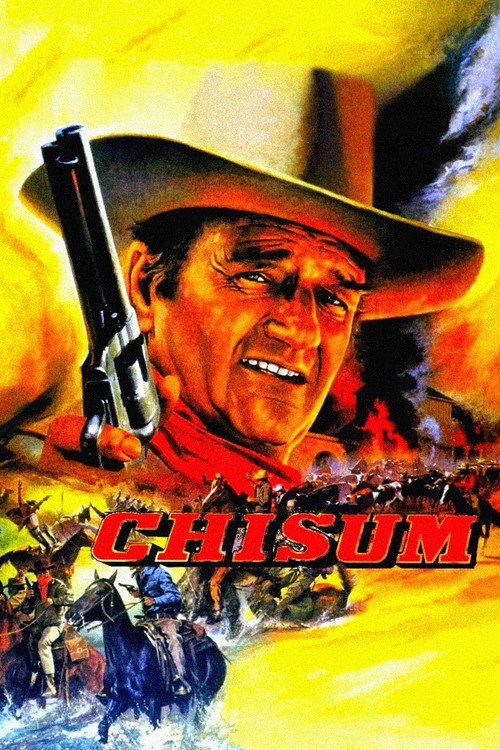
1970
No reviews yet. Be the first to share your thoughts on this movie!
Use the rating form above to leave a star rating and optional review.