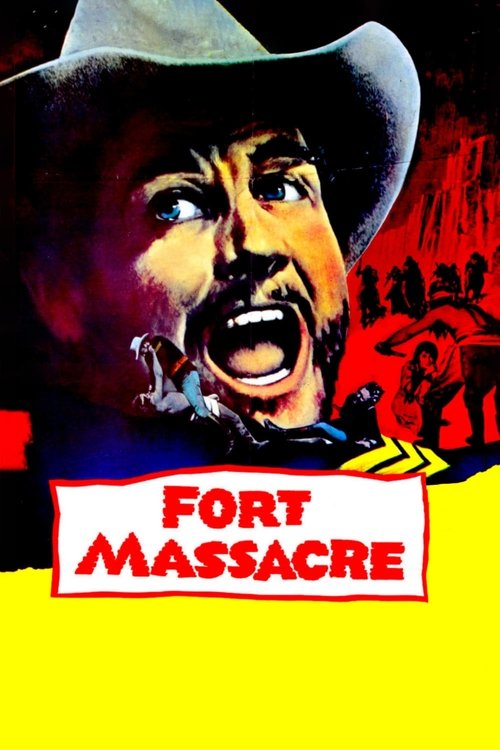
Fort Massacre
1958
No user ratings available yet
Diversity score: 1.6 out of 10
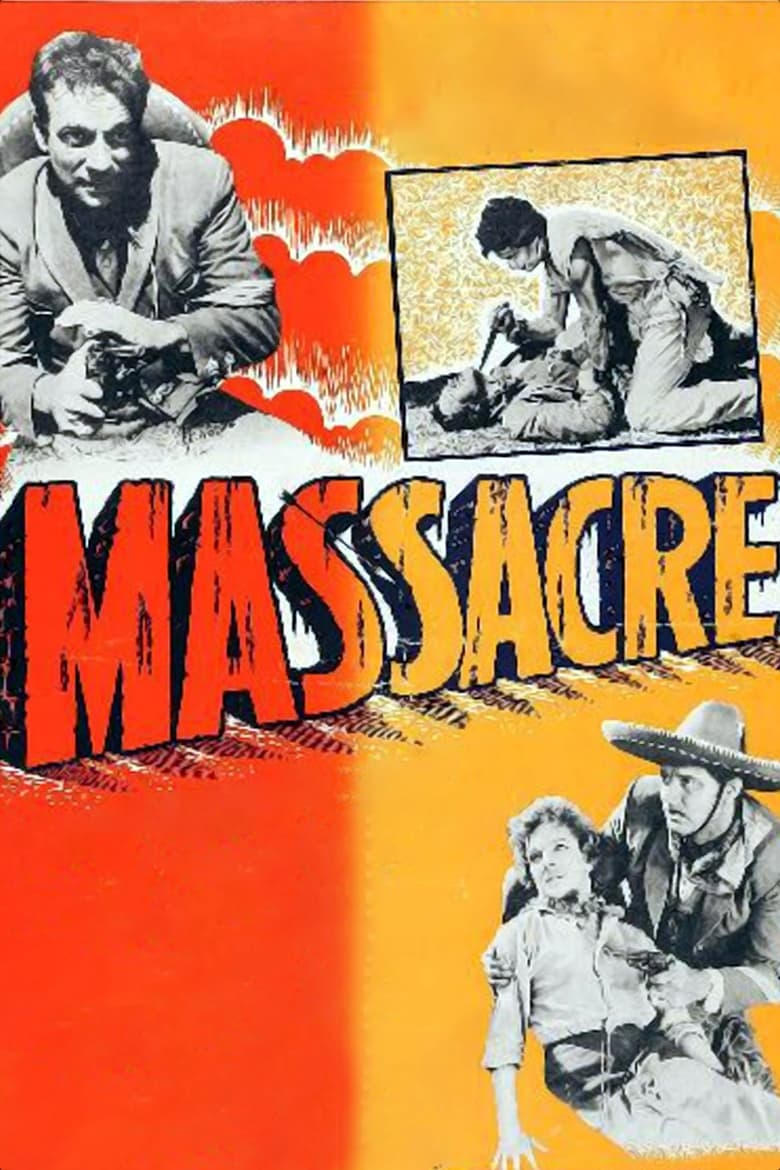
1956
NRDirector
Louis King
Runtime
75 minutes
Average Rating
No ratings yetSynopsis
Lawmen and their captured gunrunners take refuge at a deserted mission to fend off attacking Indians. Western.
Overall Score
Minimal
Category Breakdown
LGBTQ+ Representation
The film contains no discernible LGBTQ+ characters or non-heteronormative identities. The narrative follows a strictly heteronormative framework typical of 1956 cinema.
Gender Representation
Masculine agency and physical combat drive the plot between lawmen and gunrunners. Women do not occupy roles of strategic or intellectual superiority, reinforcing mid-century gender hierarchies.
Racial & Ethnic Diversity
The story utilizes a traditional lawman versus Indigenous population paradigm. Indigenous characters serve primarily as antagonistic forces rather than nuanced individuals with high agency.
Religious & Cultural Diversity
Set within the Western mythos of frontier justice, the film lacks critique of its institutions. It leans toward standard moral binaries rather than moral relativism.
Disability Representation
There is no evidence of characters with visible or invisible disabilities. The narrative focuses exclusively on the physical capabilities required for frontier survival and combat.
Strengths
Areas for Improvement
AI Analysis
Massacre is a conventional 1950s Western that adheres strictly to the social hierarchies and genre tropes of its era. The plot centers on masculine conflict and frontier survival, leaving little room for diverse perspectives or nuanced character studies. The film reinforces traditional power structures, particularly through its depiction of Indigenous populations as antagonists and its lack of female agency. It functions as a standard genre piece rather than a work that seeks to subvert established social norms. Ultimately, the production reflects the demographic and moral frameworks of mid-century studio cinema, prioritizing action and traditional archetypes over intersectional representation.
1958
1957

1967
1965
1953
1955
1968
1965

1952
1953
1966
1968
No reviews yet. Be the first to share your thoughts on this movie!
Use the rating form above to leave a star rating and optional review.