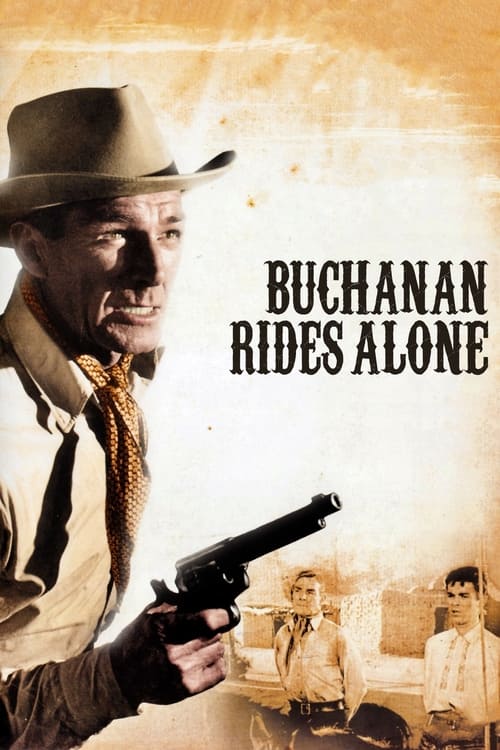
Buchanan Rides Alone
1958
No user ratings available yet
Representation score: 0.7 out of 10

Representation Score
Minimal
1953
NRDirector
Budd Boetticher
Runtime
79 minutes
Average Rating
No ratings yetNew Showbiz Analysis
The Man from the Alamo is a quintessential mid-century Western that operates within a traditional narrative framework. It focuses on frontier justice and historical conflict without attempting to disrupt the social status quo. The film lacks complexity in its portrayal of race, gender, and social hierarchy, adhering to the era's standard depictions. Ultimately, the production reflects the homogeneous casting and structural norms of its time, offering little representation for diverse identities or non-traditional social roles.
Category Breakdown
The film contains no visible or implicit LGBTQ+ characters. It adheres strictly to the social structures common in 1950s studio productions, assuming everyone is straight.
Female characters function primarily as romantic interests or figures needing protection. The film reinforces traditional hierarchies with a notable lack of female control over their lives or intellectual contributions.
The cast is predominantly white and Anglo-Saxon, reflecting the homogeneous casting norms of 1953. The narrative maintains a traditional Western perspective on historical conflicts.
The story emphasizes patriotism and individual justice within a traditional Western framework. It supports established institutions rather than critiquing systemic or religious structures.
There are no discernible depictions of physical, neurodivergent, or mental health disabilities. No characters are used as plot devices related to disability.
Present on Screen
Limited or Absent
Official Synopsis
During the war for Texas independence, one man leaves the Alamo before the end (chosen by lot to help others' families) but is too late to accomplish his mission, and is branded a coward. Since he cannot now expose a gang of turncoats, he infiltrates them instead. Can he save a wagon train of refugees from Wade's Guerillas?
1958
1966
1965
1960
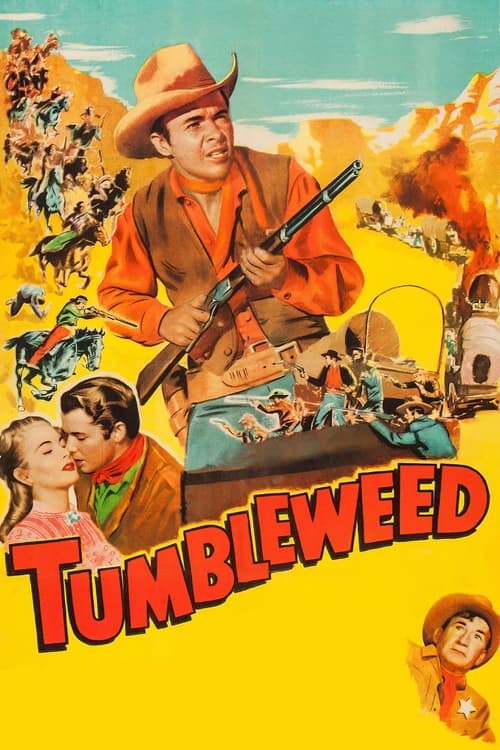
1953
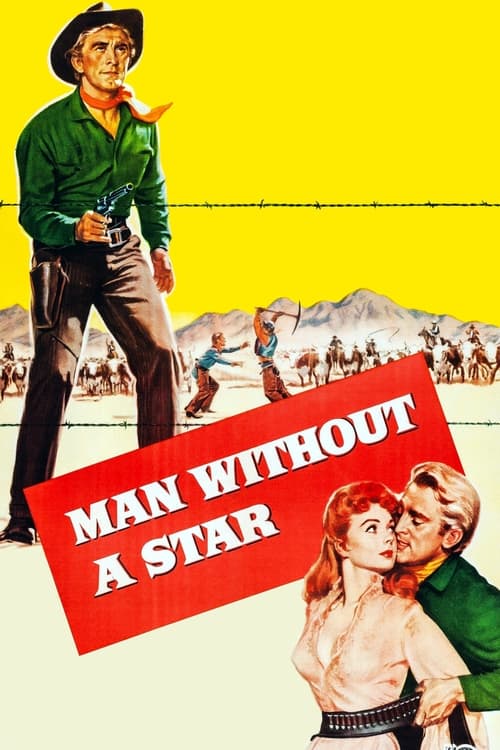
1955
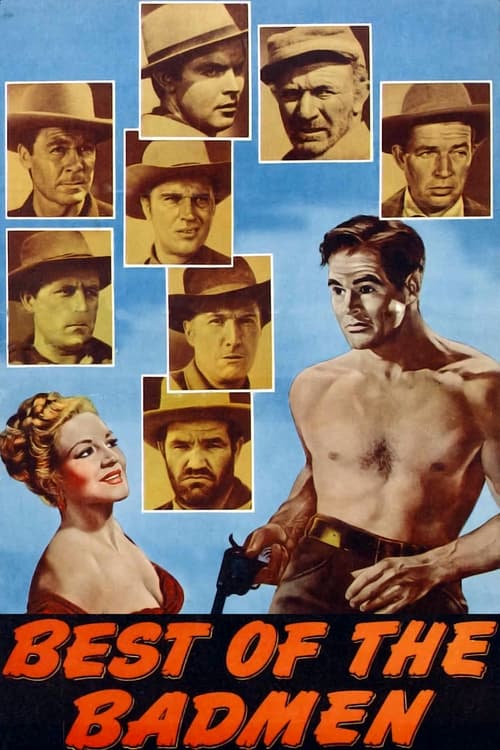
1951
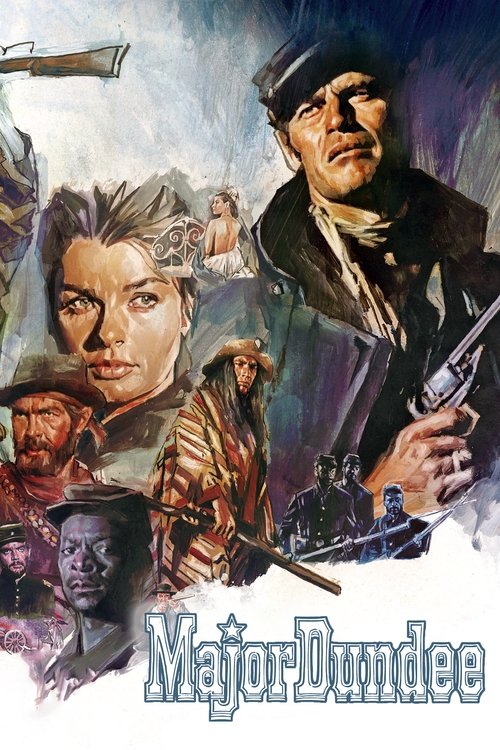
1965
No reviews yet. Be the first to share your thoughts on this movie!
Use the rating form above to leave a star rating and optional review.