Cow Country
1953
No user ratings available yet
Diversity score: 1.9 out of 10

1965
ApprovedDirector
Lesley Selander
Runtime
73 minutes
Average Rating
No ratings yetSynopsis
A cavalry unit rides into a Comanche trap. If the patrol leaders cannot find a way out, they will all surely perish.
Overall Score
Minimal
Category Breakdown
LGBTQ+ Representation
The film lacks any indication of LGBTQ+ characters or narratives. It adheres to the standard gender and orientation paradigms typical of 1965 cinema.
Gender Representation
The story focuses on cavalry units and patrol leaders, roles almost exclusively occupied by men. This reinforces traditional masculine leadership and patriarchal military hierarchies.
Racial & Ethnic Diversity
While the film includes Comanche characters, they likely function as antagonistic forces within a frontier conflict trope. The narrative lacks complex agency for Indigenous populations.
Religious & Cultural Diversity
The film emphasizes traditional Western values like duty and institutional loyalty. It lacks any themes that challenge established social or religious structures.
Disability Representation
There is no evidence of characters with physical or neurodivergent disabilities. Such representation was largely absent from the genre during this era.
Strengths
Areas for Improvement
AI Analysis
War Party is a conventional mid-century Western that operates strictly within the established genre tropes of its time. The narrative structure prioritizes traditional frontier conflicts and military hierarchies, offering little room for diverse perspectives or subverted social norms. The film relies on standard character archetypes, centering on a male-dominated cavalry unit facing off against a Comanche group. This setup reinforces historical biases regarding gender and racial roles, presenting Indigenous groups primarily as obstacles to be overcome. Ultimately, the film serves as a period-typical genre piece. It lacks the intentionality or character depth required to move beyond the rigid social and cinematic constraints of 1965.
1953

1941
1967
1955
1957

1952
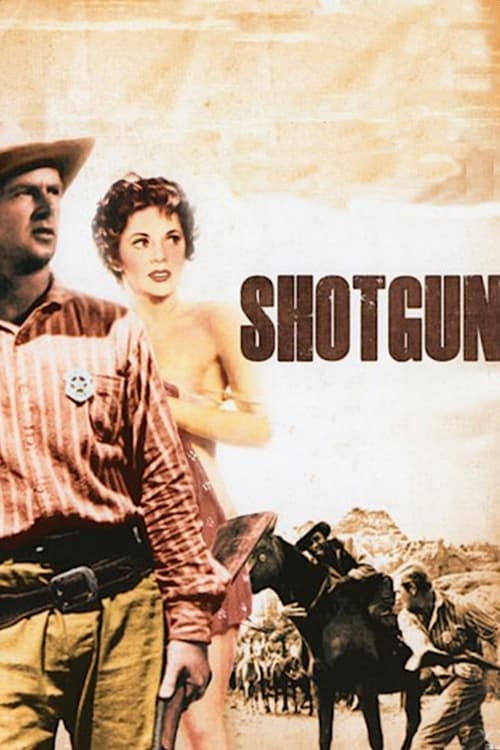
1955
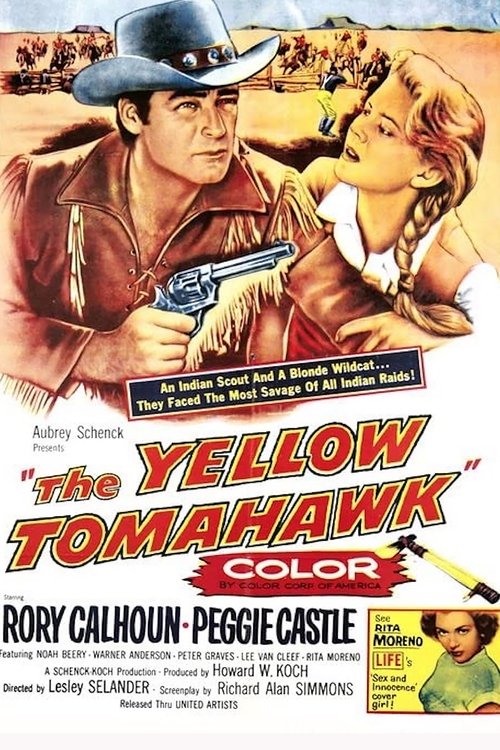
1954
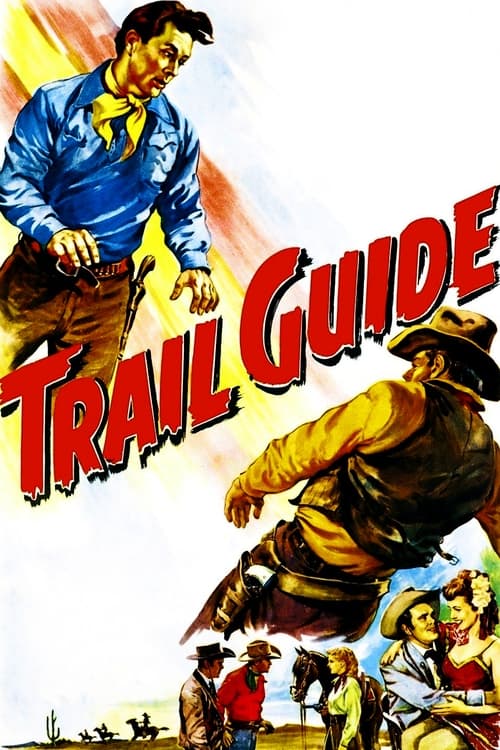
1952
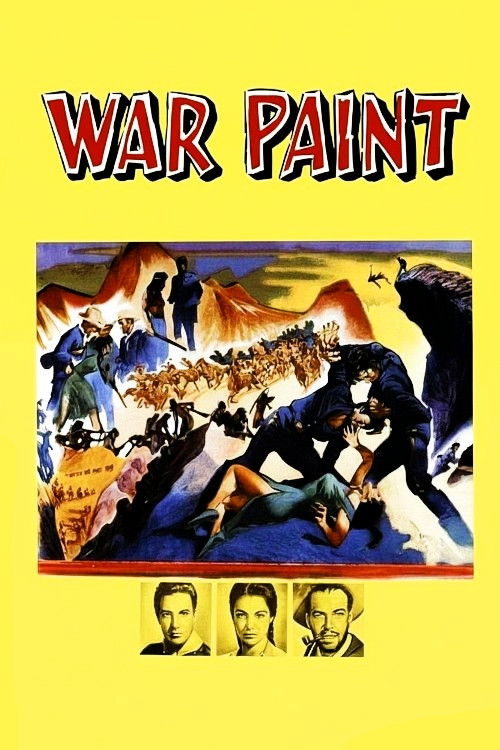
1953
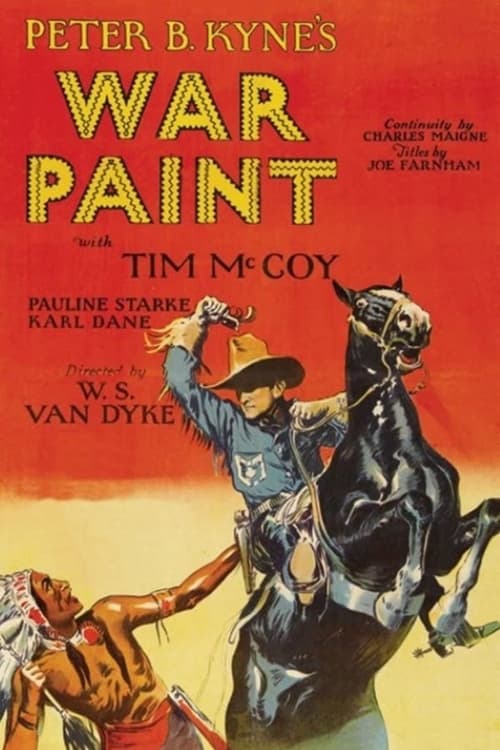
1926
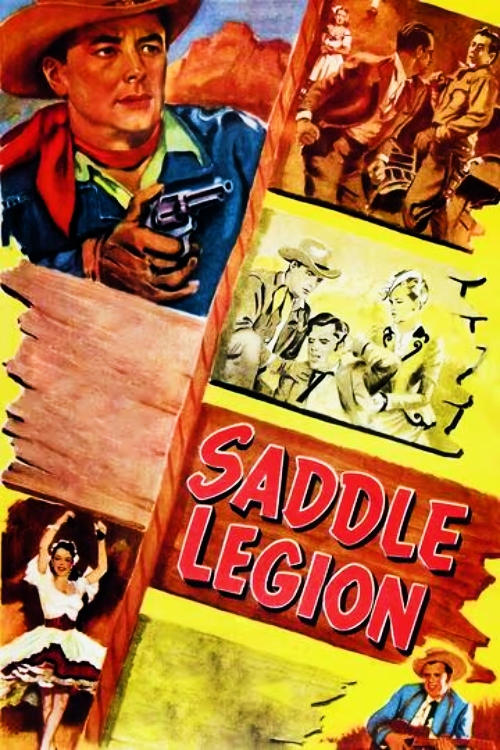
1951
No reviews yet. Be the first to share your thoughts on this movie!
Use the rating form above to leave a star rating and optional review.