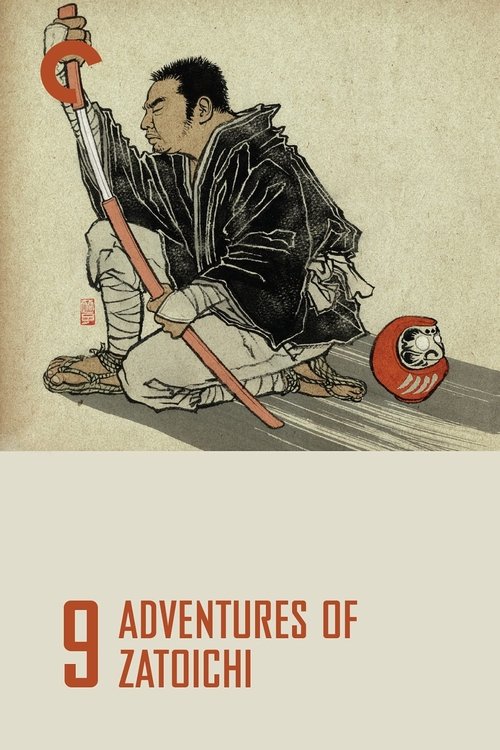
Adventures of Zatoichi
1964
No user ratings available yet
Representation score: 3.7 out of 10
Representation Score
Limited
1971
Not RatedDirector
Kimiyoshi Yasuda, Hsu Tseng-Hung
Runtime
94 minutes
Average Rating
No ratings yetNew Showbiz Analysis
This film exemplifies transnational cinema by blending Japanese and Hong Kong/Taiwanese action traditions, creating a multi-ethnic heroic dynamic. However, it maintains a traditional gender hierarchy that limits the roles of female characters. Despite this, the film presents a powerful portrayal of a disabled character, emphasizing his skill and control.
Category Breakdown
The film follows early 1970s period-drama conventions and does not include non-cisgender identities or same-sex relationships.
The narrative centers around a male-dominated plot where female characters are often sidelined or portrayed as victims.
The film showcases a cross-cultural collaboration between Japanese and Chinese martial arts traditions, integrating a Chinese martial artist into a Japanese Edo-period setting.
The story adheres to traditional values of honor and martial discipline, following established moral codes without modern deconstruction.
Zatoichi is portrayed as a skilled swordsman despite his blindness, highlighting his mastery and control over his environment.
Present on Screen
Limited or Absent
Official Synopsis
Zatoichi is a blind massage therapist and swordsman who finds out that something troubling is taking place on the outskirts of town. After discovering who the guilty parties are -- an accomplished Chinese martial artist named Wang Kang and his youthful attendant -- Zatoichi finds them and discovers that the pair's mixed up with a dangerous bunch of terrorist samurai who murdered the boy's parents. Now, Zatoichi must step in to save the day.
1964
1962
1972
1962
1963
1980
1965
1967
No reviews yet. Be the first to share your thoughts on this movie!
Use the rating form above to leave a star rating and optional review.