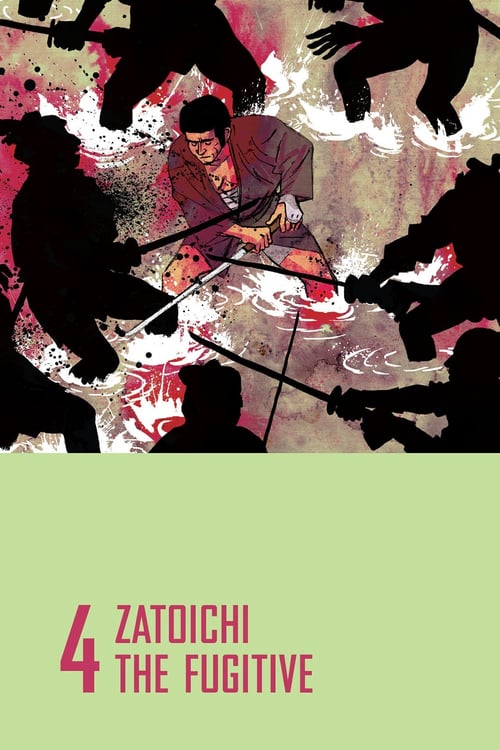
Zatoichi the Fugitive
1963
No user ratings available yet
Representation score: 3.9 out of 10

Representation Score
Limited
1968
Not RatedDirector
Kimiyoshi Yasuda
Runtime
82 minutes
Average Rating
No ratings yetNew Showbiz Analysis
Zatoichi and the Fugitives is a traditional period piece that prioritizes historical authenticity over contemporary diversity. The film focuses primarily on individual survival within a rigid, traditional society. While the film lacks progressive narratives around gender and sexuality, it excels in portraying disability. The protagonist's impairment is linked to his autonomy and specialized skills. Ultimately, the film's adherence to established hierarchies and a culturally homogeneous social structure limits its overall diversity score, despite the nuanced central character.
Category Breakdown
The film follows traditional Japanese customs from the Edo period. There are no characters or storylines that address LGBTQ identities or dynamics.
The story focuses on masculine combat and authority. Female characters are peripheral, serving as bystanders or needing protection rather than driving the plot.
The cast is culturally uniform, maintaining historical accuracy for its setting. It avoids whitewashing but does not use diverse casting to challenge established norms.
The story examines the struggles of underrepresented travelers against the samurai class. It critiques systemic corruption using traditional genre clichés rather than modern ideological critiques.
Zatoichi showcases a detailed study of disability. His blindness is portrayed as a source of competence and survival rather than a reason for pity or ridicule.
Present on Screen
Limited or Absent
Official Synopsis
Zatoichi runs afoul of some evil fugitives, working for a corrupt law official.
1963
1962
1964
1962
1967
1963

1972
1967
No reviews yet. Be the first to share your thoughts on this movie!
Use the rating form above to leave a star rating and optional review.