Fight, Zatoichi, Fight
1964
No user ratings available yet
Diversity score: 4.8 out of 10
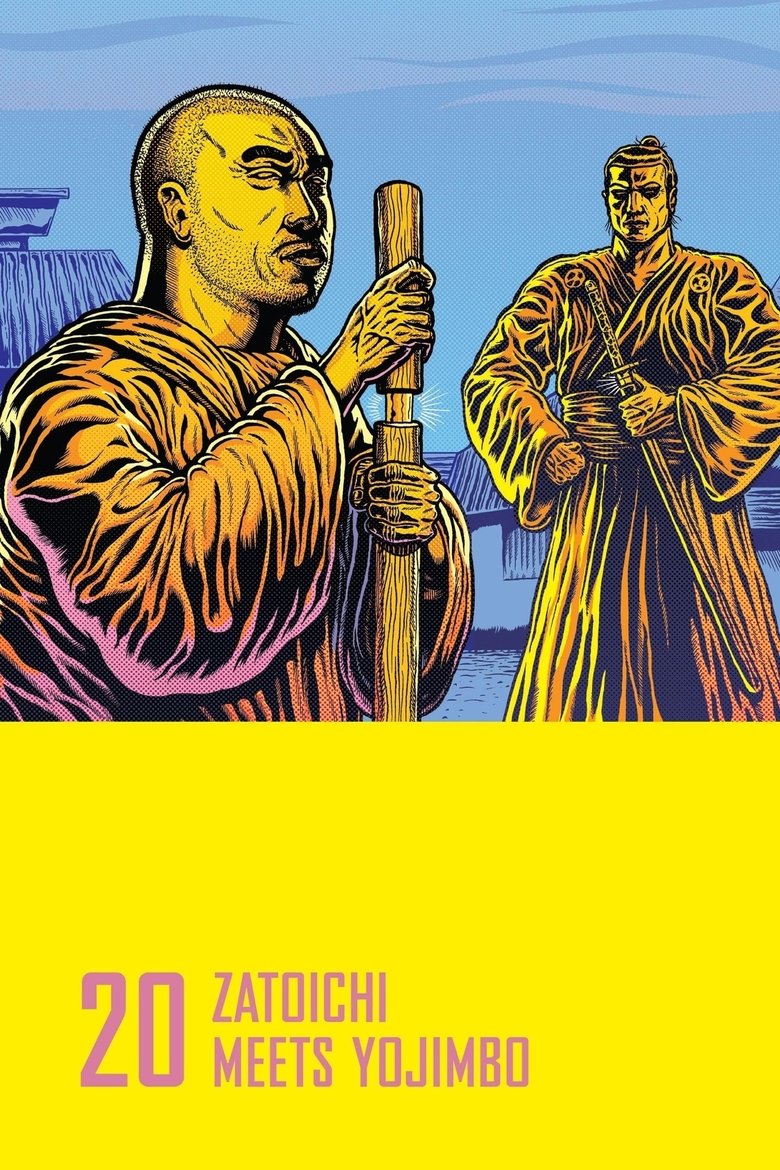
1970
Not RatedDirector
Kihachi Okamoto
Runtime
115 minutes
Average Rating
No ratings yetSynopsis
Zatoichi treks to a village that has always been a favorite spot of his, only to discover that it’s become a living hell, plagued by feuding father and son yakuza as well as the younger crime boss’s bodyguard, scruffy, smart-mouthed, cash-hungry Yojimbo of legend.
Overall Score
Fair
Category Breakdown
LGBTQ+ Representation
The film adheres to the social constraints of feudal Japan. There is no discernible presence of non-cisnormative identities or narratives that critique heteronormativity.
Gender Representation
The narrative centers on masculine archetypes like the blind masseur and masterless samurai. Female characters function primarily as supporting figures or catalysts rather than driving the plot with independent agency.
Racial & Ethnic Diversity
As a period piece set in feudal Japan, the cast is ethnically homogeneous. Diversity is found in the socioeconomic spectrum rather than ethnic or racial variety.
Religious & Cultural Diversity
The film excels in depicting moral relativism and situational ethics. It critiques localized power structures and the corruption inherent in unregulated social hierarchies through its depiction of a village in turmoil.
Disability Representation
Zatoichi provides a nuanced portrayal of visual impairment. His blindness is integrated into his specialized skill set, transforming a perceived limitation into a source of tactical superiority.
Strengths
Areas for Improvement
AI Analysis
Zatoichi Meets Yojimbo is a quintessential anti-hero film that prioritizes the agency of marginalized figures over established institutions. While it lacks modern intersectional markers, it subverts traditional morality by focusing on characters operating outside formal law. The film's strength lies in its sophisticated, morally ambiguous exploration of survival. It replaces the trope of the 'righteous warrior' with cynical protagonists navigating a corrupt social landscape. Ultimately, the work finds its depth in socioeconomic friction and the mastery of a disabled protagonist, even as it remains limited by the period-specific gender and identity norms of its setting.
1964
1968
1972
1967
1965
1967
1963
1965

1972
1962
1962
1967
No reviews yet. Be the first to share your thoughts on this movie!
Use the rating form above to leave a star rating and optional review.