The Tale of Zatoichi
1962
No user ratings available yet
Representation score: 4.6 out of 10
Representation Score
Limited
1963
Not RatedDirector
Tokuzō Tanaka
Runtime
86 minutes
Average Rating
No ratings yetNew Showbiz Analysis
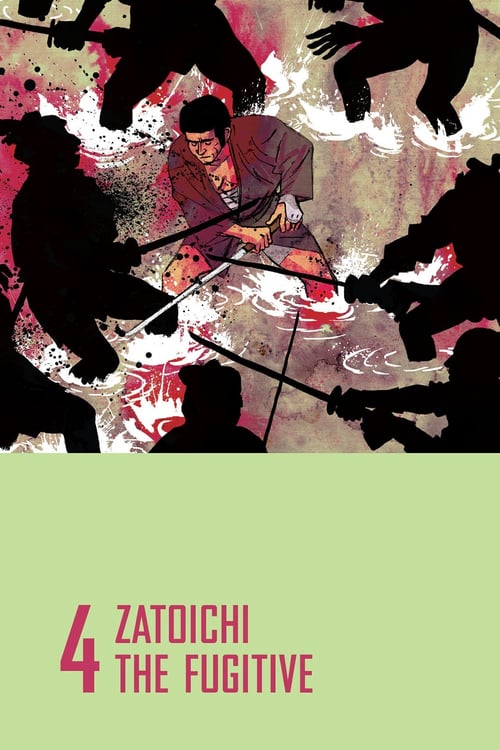
Zatoichi the Fugitive is a period-specific action drama that emphasizes traditional storytelling and historical authenticity. It stands out in its nuanced portrayal of a blind protagonist, integrating his disability into his combat skills and identity. However, the film adheres to strict social hierarchies and limited gender roles, with women primarily serving as emotional catalysts for the male lead. Additionally, there is no representation of LGBTQ+ identities or same-sex relationships, reflecting the era's cinematic norms. While the film is ethnically homogeneous, it offers a sophisticated exploration of individual justice and ethical dilemmas.
Category Breakdown
The film adheres to traditional 1960s cinematic conventions and does not include any non-straight relationships or same-sex intimacy.
Women in the film primarily fill domestic or service roles and often act as emotional catalysts for the male lead, rather than driving the plot themselves.
The film features an ethnically homogeneous cast, reflecting its specific Japanese cultural context and maintaining authenticity to its setting.
The story explores moral relativism through a wandering swordsman, focusing on individual justice rather than critiquing broader societal institutions.
Zatoichi’s blindness is central to his character, portrayed as a complex part of his competence and identity.
Present on Screen
Limited or Absent
Official Synopsis
After arriving in the town of Shimonita, Ichi finds that a price has been put on his head by a local yakuza boss. He's drawn into a trap, but after hearing of the slaying of a former love, Ichi furiously fights his way through the entire clan to face the killer, a hired ronin.
1962
1962

1968

1970

1970
1967
1964

1968
No reviews yet. Be the first to share your thoughts on this movie!
Use the rating form above to leave a star rating and optional review.