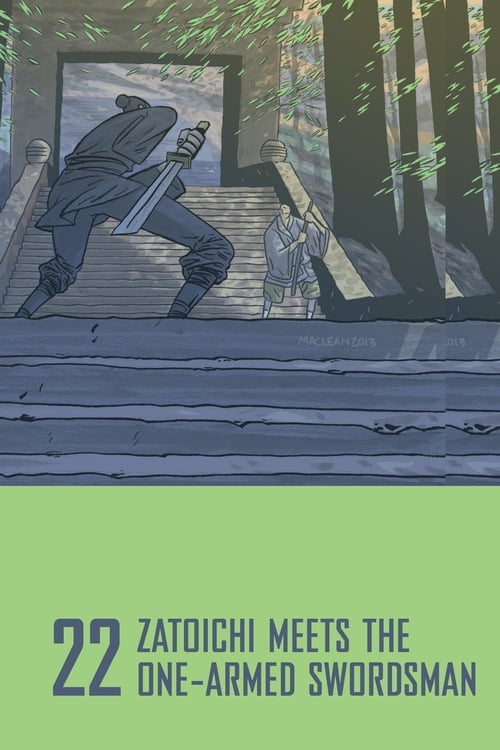
Zatoichi Meets the One-Armed Swordsman
1971
No user ratings available yet
Representation score: 3.7 out of 10
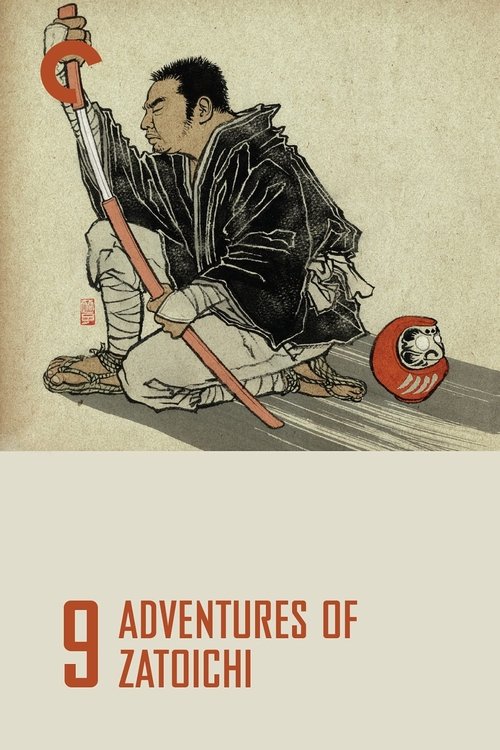
Representation Score
Limited
1964
Not RatedDirector
Kimiyoshi Yasuda
Runtime
86 minutes
Average Rating
No ratings yetNew Showbiz Analysis
Adventures of Zatoichi is a genre-standard period piece that prioritizes historical authenticity over disrupting social hierarchies. It excels in portraying a protagonist with a disability, giving him significant narrative power and ability to act. However, the film remains tied to conventional gender and social structures. Female characters primarily serve as plot drivers for the male lead, and the narrative does not challenge the established order of the era. Ultimately, the film is a study of individual survival within a rigid historical framework, providing deep characterization for its lead while maintaining traditional social roles.
Category Breakdown
The film does not include any LGBTQ+ characters or non-straight identities. It stays true to the traditional social structures of the Edo period.
Female characters mainly act as catalysts for the protagonist's journey, often appearing as daughters or sisters. They have emotional depth but their roles are largely reactive to male-driven conflicts.
The cast is ethnically uniform, reflecting the historical authenticity of 17th-century Japan. It lacks the diverse complexity found in modern, globalized cinema.
The story centers on the 'code of the sword' and individual justice within the samurai genre. It highlights socioeconomic divides but does not explicitly critique systemic institutions.
Zatoichi’s blindness is integrated into his identity and specialized skills rather than being treated as a deficit. The film portrays his sensory experience with practical, professional ability to act.
Present on Screen
Limited or Absent
Official Synopsis
Blind swordsman/masseuse Zatoichi befriends a young woman looking for her father, a village leader who has disappeared. As he helps her investigate the disappearance, Zatoichi also becomes involved with another young woman who is trying to help her brother, who has murdered someone at about the same time and place as the missing man was last seen.
1971
1962
1964
1962
1965

1968
1967
1972
No reviews yet. Be the first to share your thoughts on this movie!
Use the rating form above to leave a star rating and optional review.