Samaritan Zatoichi
1968
No user ratings available yet
Representation score: 5.0 out of 10
Representation Score
Fair
1967
Not RatedDirector
Kenji Misumi
Runtime
87 minutes
Average Rating
No ratings yetNew Showbiz Analysis
Zatoichi Challenged is a genre-driven exploration of a underrepresented outsider navigating a corrupt social environment. The film excels in its nuanced portrayal of Zatoichi’s blindness as a source of specialized combat skills and its critique of corrupt authority figures. However, it remains confined by traditional gender roles and a lack of diverse identities. While it effectively challenges exploitative social structures, it operates within a historically homogeneous context.
Category Breakdown
The film does not include any LGBTQ+ characters or explore non-straight relationships. It focuses solely on the social and romantic norms of the Edo period.
Female characters mainly have domestic or supporting roles, often initiating the plot but lacking the power to resolve the main conflicts.
The cast is ethnically uniform, reflecting the historical accuracy of 17th-century Japan. The film does not employ modern casting techniques to diversify the perspective.
The story criticizes systemic injustice by depicting local bosses and the samurai class as corrupt. It emphasizes personal moral imperatives over rigid social hierarchies.
Zatoichi’s blindness is a central part of his specialized abilities and combat skills, rather than a source of pity. His disability is integrated into his unique competence.
Present on Screen
Limited or Absent
Official Synopsis
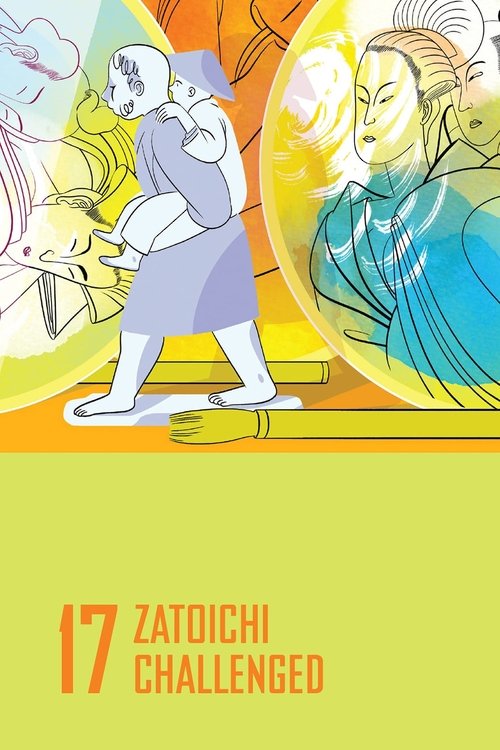
Ichi is staying at an inn when a woman dies. Her dying wish is that Ichi take her son to his father, an artist living in a nearby town. After arriving in the town, Ichi finds out that the father has been forced by a local boss to create illegal pornography to pay off his gambling debts. Ichi makes it his mission to save the man and reunite the family, even though it brings him into conflict with a samurai he sort of befriended on his way to the town.
1968
1962
1965
1962
1964
1965
1972

1972
No reviews yet. Be the first to share your thoughts on this movie!
Use the rating form above to leave a star rating and optional review.