The Tale of Zatoichi
1962
No user ratings available yet
Representation score: 4.6 out of 10
Representation Score
Fair
1965
Not RatedDirector
Kenji Misumi
Runtime
87 minutes
Average Rating
No ratings yetNew Showbiz Analysis
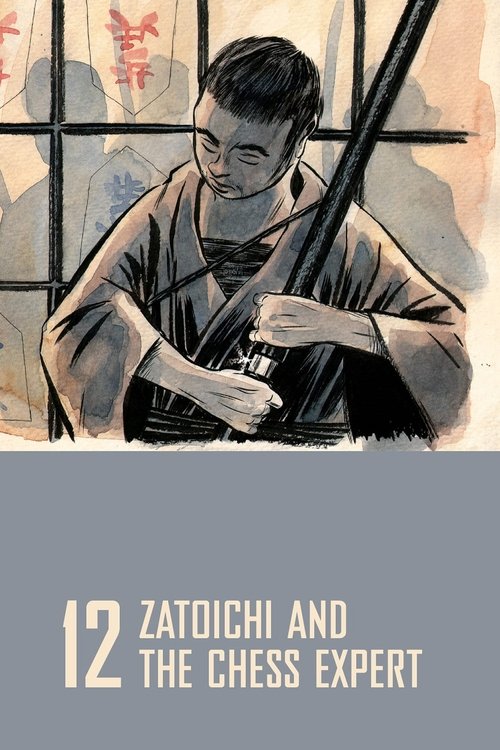
Zatoichi and the Chess Expert is a genre-driven period piece that stands out in its portrayal of disability. The protagonist's blindness is depicted as a unique perspective for mastery rather than a tool for pity, giving him substantial autonomy. However, the film remains firmly rooted in the traditional social structures of its time. Gender representation is limited, with women primarily serving in secondary or domestic roles within a male-driven conflict. While the film offers a nuanced critique of institutional power and justice, it lacks the diverse representation and non-traditional gender identities found in contemporary works.
Category Breakdown
The film follows the social norms of Edo-period Japan and does not include any non-traditional gender identities or narratives that question the assumption that everyone is straight or cisgender.
Women in the film are confined to domestic or supporting roles. The narrative upholds traditional 17th-century hierarchies without challenging male-dominated leadership.
The cast is ethnically uniform, reflecting the historical Japanese setting. It does not feature the diverse blending of identities seen in modern cinema.
The story criticizes formal institutional authority by focusing on a vigilante figure. It explores justice through personal ethics rather than state-sanctioned legal systems.
Zatoichi is shown to play a significant role in driving the story despite his blindness. His sensory acuity is highlighted as a source of competence rather than a weakness.
Present on Screen
Limited or Absent
Official Synopsis
Zatoichi makes friends with a dangerous chess player, while fending off angry yakuza and bloodthirsty relatives out for revenge, and trying to save a sick child. Meanwhile, his luck with dice is turning.
1962
1962
1967
1970

1968
1964
1968

1972
No reviews yet. Be the first to share your thoughts on this movie!
Use the rating form above to leave a star rating and optional review.