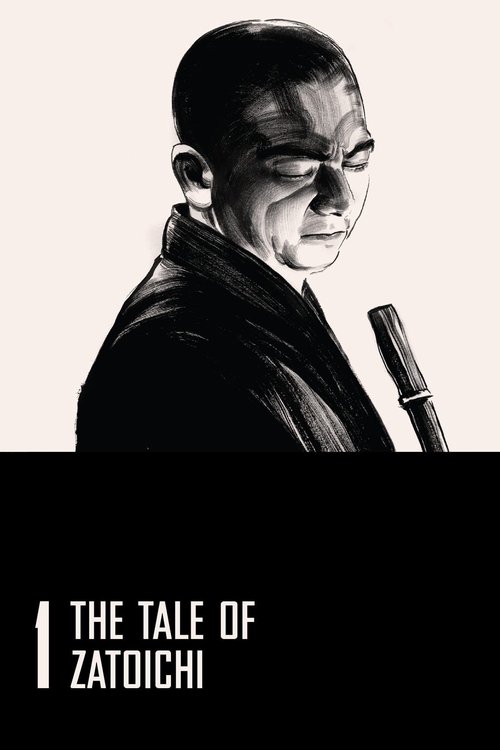
The Tale of Zatoichi
1962
No user ratings available yet
Representation score: 4.6 out of 10
Representation Score
Fair
1967
Not RatedDirector
Kimiyoshi Yasuda
Runtime
93 minutes
Average Rating
No ratings yetNew Showbiz Analysis
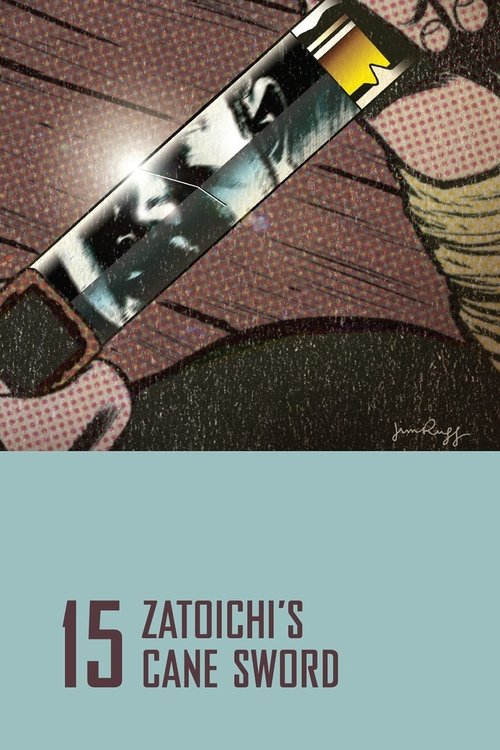
Zatoichi's Cane Sword subverts action genre clichés through its central protagonist. By centering a blind character with immense ability to act and specialized combat skills, the film moves beyond the typical tragic portrayal of disability. However, the film adheres to the era's cinematic conventions, focusing on male-driven conflict and traditional gender roles. It lacks LGBTQ+ representation and explores a culturally homogeneous society, reflecting the specific historical setting of Edo-period Japan. Ultimately, the film is a character study of a specialized individual, excelling in disability representation but limited by traditional social structures.
Category Breakdown
The film follows traditional social norms, focusing on martial skills and interpersonal conflicts. There are no visible LGBTQ+ characters or themes exploring non-straight relationships.
The story centers on male-driven conflict between Zatoichi, a blacksmith, and local gangsters. It relies on traditional gender roles and lacks significant female involvement or challenges to masculine hierarchies.
As a Japanese period piece, the film depicts a culturally homogeneous society. It maintains historical authenticity without multicultural blending, reflecting its specific ethnic and cultural context.
The narrative explores systemic corruption through a town overrun by gangsters. It focuses on individualistic survival and the outlaw archetype rather than explicit critiques of broader institutions.
Zatoichi provides a strong example of disability representation by granting a blind protagonist immense control over his environment. His sensory adaptations allow him to dominate his surroundings, challenging stereotypes of helplessness.
Present on Screen
Limited or Absent
Official Synopsis
Zatoichi comes upon the town of Tonda, overrun by gangsters. Using one of his favorite techniques, Zatoichi proceeds to win 8 ryo in a rigged gambling game. Of course, the local gangsters attempt to kill him, and the adventure begins. It turns out a blacksmith named Senzo examines Zatoichi's cane sword, and discovers it to be forged by his old mentor. Senzo discovers the sword is at the end of its usefulness and will break when it is used next.
1962
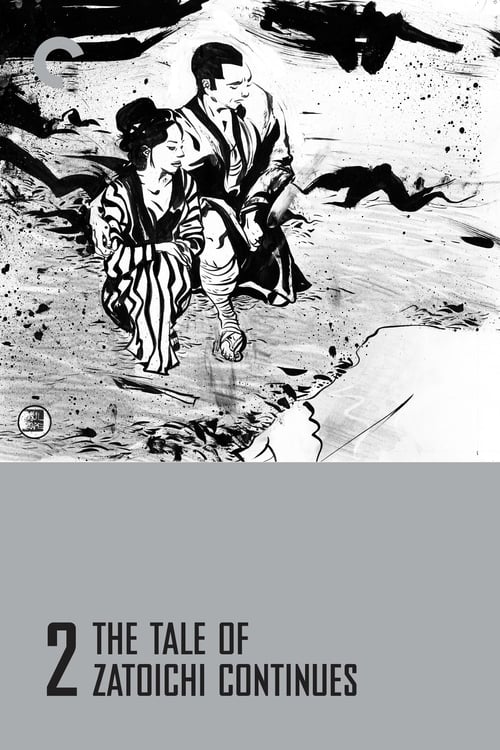
1962

1968
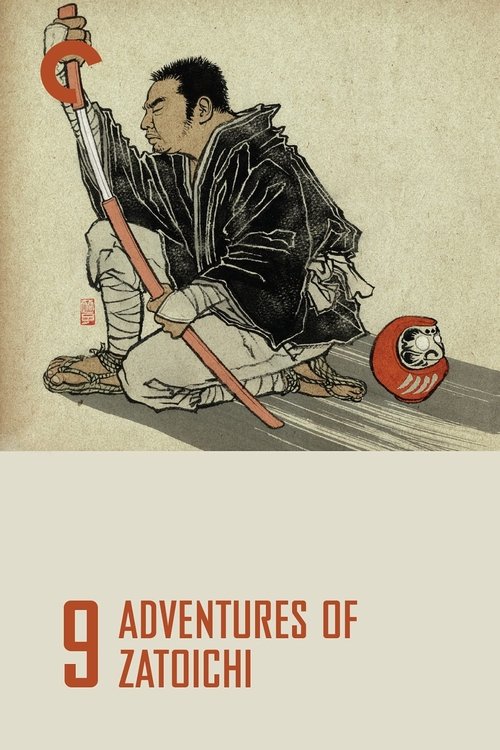
1964
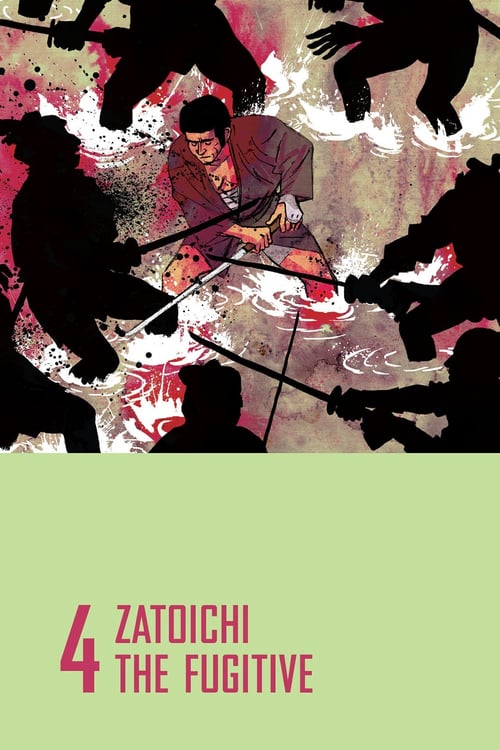
1963
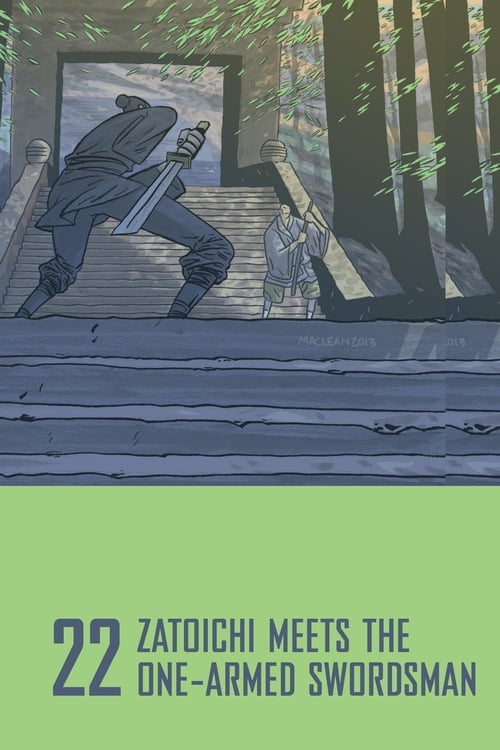
1971
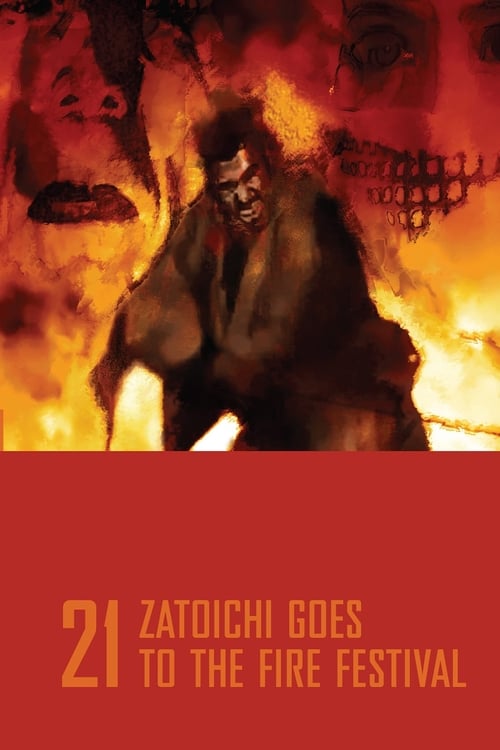
1970
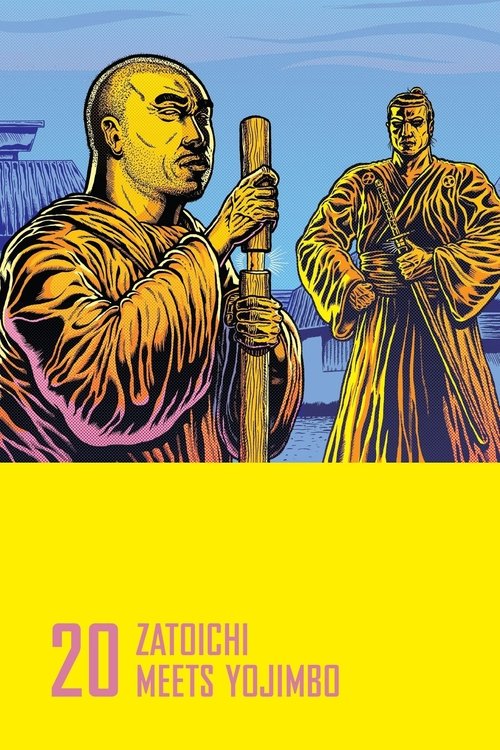
1970
No reviews yet. Be the first to share your thoughts on this movie!
Use the rating form above to leave a star rating and optional review.