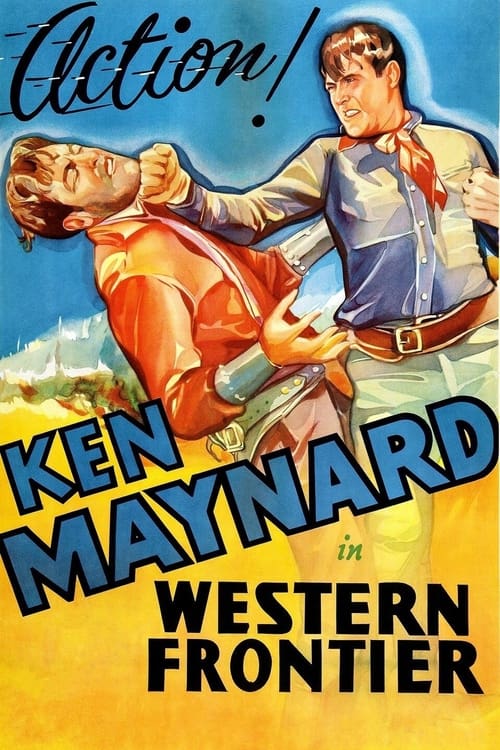
Western Frontier
1935
No user ratings available yet
Representation score: 0.3 out of 10
No Poster Available
Representation Score
Minimal
1929
PassedDirector
J.P. McGowan
Runtime
62 minutes
Average Rating
No ratings yetNew Showbiz Analysis
The Invaders is a classic example of early Western cinema, rooted in the colonial-era storytelling of the 1920s. The plot hinges on established clichés of frontier conflict and the separation of children to create drama. While the film includes Indigenous characters, they serve mainly as plot devices within a 'civilization vs. savagery' framework. This approach prioritizes traditional Western values and military institutions over nuanced cultural perspectives. Ultimately, the film reinforces traditional gender roles and systemic hierarchies. It lacks the depth and subversion of power dynamics needed to move beyond standard period-specific archetypes.
Category Breakdown
The film does not depict any non-straight relationships or gender identities outside the norm. The narrative centers on biological kinship and traditional gender roles in a frontier setting.
Characters adhere to traditional Western genre archetypes. The female lead lacks control over her own story, being shaped by forced cultural changes, while the male lead embodies typical masculine protector roles.
Indigenous characters are used through the lens of 1920s frontier clichés. The story relies on a 'civilization vs. savagery' dichotomy rather than offering nuanced representation of Indigenous peoples.
The narrative emphasizes Western institutional structures and the importance of the nuclear family. It supports the expansionist era without presenting anti-colonial or alternative cultural viewpoints.
No characters with physical, sensory, or neurodivergent disabilities are featured. Such identities are not central to the film's narrative.
Present on Screen
Limited or Absent
Official Synopsis
Two children--a brother and sister--are the only survivors of an Indian attack on a wagon train, and are soon separated. An army officer adopts the boy, and the girl is taken to live with Indians and renamed Black Fawn. When the boy grows up he joins the cavalry and finds himself in the middle of an Indian war as he searches for his long-lost sister.
1935
1966

1952
1960
1927
1930
1972
1960
No reviews yet. Be the first to share your thoughts on this movie!
Use the rating form above to leave a star rating and optional review.