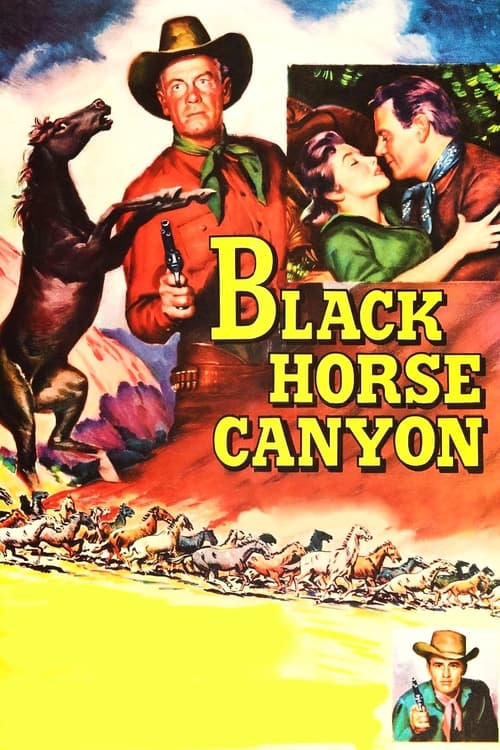
Black Horse Canyon
1954
No user ratings available yet
Representation score: 0.4 out of 10
Representation Score
Minimal
1942
ApprovedDirector
Edward Finney
Runtime
63 minutes
Average Rating
No ratings yetNew Showbiz Analysis
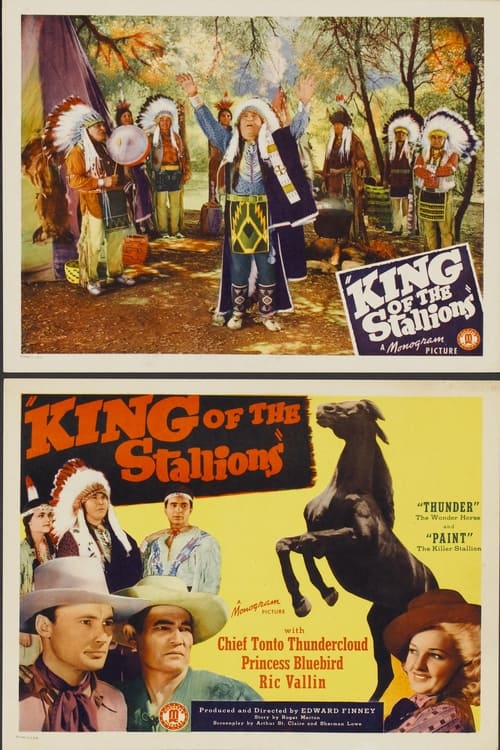
King of the Stallions is a typical Western film from 1942 that follows the established conventions of the time. The plot revolves around the pursuit of a wild horse by two competing groups: cowboys and Indigenous peoples. Although the film includes multiple ethnic groups, it seems to adhere to the constraints of its era. The narrative emphasizes traditional frontier conflicts rather than exploring complex or multi-layered identities. Overall, the film functions as a period piece that reinforces the social hierarchies and moral binaries of its time without challenging them.
Category Breakdown
The film does not include any representation of LGBTQ+ identities or same-sex relationships, sticking closely to the social norms of the early 1940s.
The story likely upholds traditional gender roles common to the time. There are no indications of strong female characters or challenges to male-dominated leadership.
The film features both Indigenous peoples and cowboys, providing a multi-ethnic setting. However, these roles may rely on familiar stereotypes rather than nuanced, high-impact portrayals.
The movie operates within a traditional Western framework focused on frontier survival. It reinforces the standard mythos of the American West without questioning its institutions.
There is no depiction of physical or neurodivergent identities in this production.
Present on Screen
Limited or Absent
Official Synopsis
Both Indians and cowboys are after a beautiful stallion, the leader of a pack of wild horses.
1954
1975
1941
1952
1946
1949

1937
1943
No reviews yet. Be the first to share your thoughts on this movie!
Use the rating form above to leave a star rating and optional review.