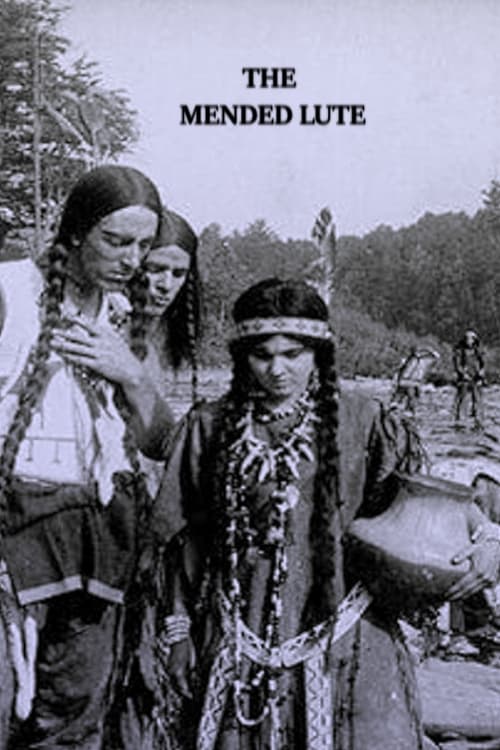
The Mended Lute
1909
No user ratings available yet
Representation score: 2.7 out of 10
Representation Score
Minimal
1909
Director
D.W. Griffith
Runtime
14 minutes
Average Rating
No ratings yetNew Showbiz Analysis
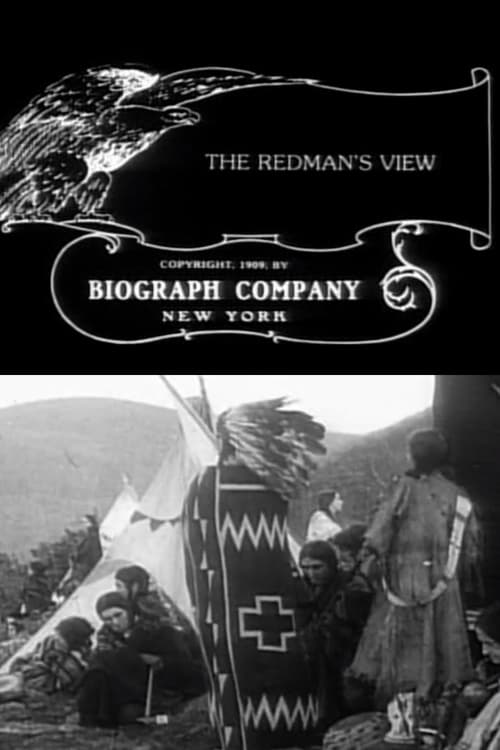
The Redman's View operates as a classic Western that uses the displacement of Indigenous peoples to propel its narrative. While the story focuses on an Indigenous village, it seems to follow the 'encroachment' cliché typical of the time. The film's structure upholds traditional social hierarchies and expansionist ideals. Instead of questioning the settler-colonial experience, the story presents the conflict through the lens of territorial expansion and melodrama. Overall, the work reflects the cinematic conventions of 1909, emphasizing traditional romantic dynamics and historical clichés over nuanced or subversive storytelling.
Category Breakdown
The film does not include any LGBTQ+ identities or same-sex relationships. The romantic storyline follows a traditional boy-meets-girl format.
The female lead plays a reactive role, shaped by her isolation and the influence of the settlers around her. She has limited control over her own destiny.
While the story centers on an Indigenous village, it may reinforce the 'vanishing race' stereotype. The narrative emphasizes the emotional impact of displacement rather than a critical look at systemic issues.
The film draws from early 20th-century Western frontier stories. It aligns with historical expansionist ideas rather than challenging established norms.
There is no information available regarding the depiction of physical or neurodivergent characters in this work.
Present on Screen
Limited or Absent
Official Synopsis
An Indian village is forced to leave its land by white settlers, and must make a long and weary journey to find a new home. The settlers make one young Indian woman stay behind. This woman is thus separated from her sweetheart, whose elderly father needs his help on the journey ahead
1909
1960

1911

1930
1929
2000
1913
1963
No reviews yet. Be the first to share your thoughts on this movie!
Use the rating form above to leave a star rating and optional review.